
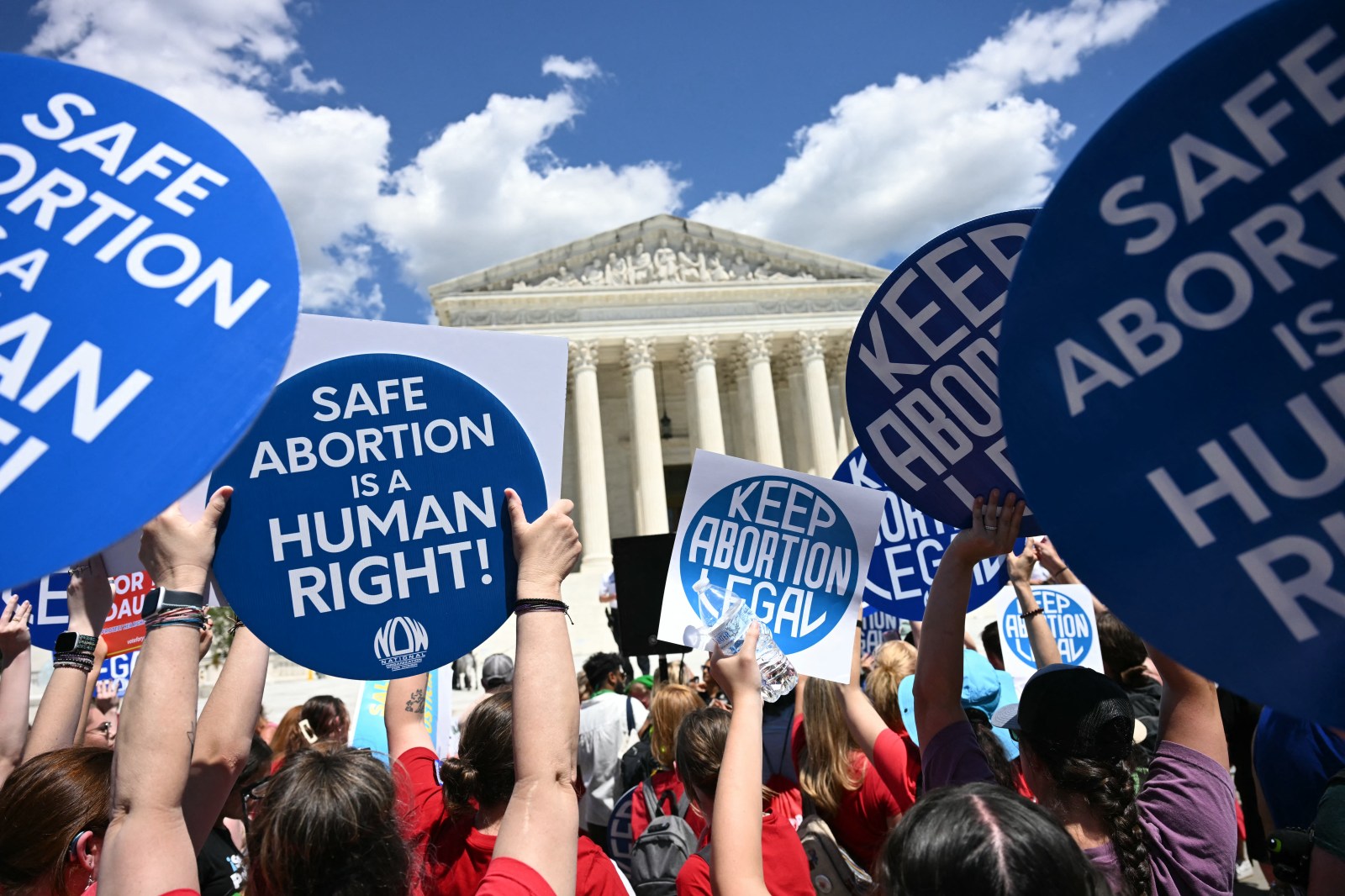
Four years after the U.S. Supreme Court eliminated the constitutional right to abortion, data indicates the number of procedures has risen rather than fallen. Predictions from lawmakers and advocates expecting a decline have proved incorrect.
Recent estimates show that in 2025, over 1.12 million abortions were provided by U.S. clinicians, a level stable for the past two years, but 21% higher than in 2020, according to a Guttmacher report from March. This increase followed sweeping restrictions and bans after the court’s decision, reshaping access throughout the country.
The Dobbs Decision
On June 24, 2022, the Supreme Court issued a ruling in Dobbs v. Jackson Women’s Health Organization. This overturned Roe v. Wade, a landmark decision from 1973 that had federally guaranteed the right to abortion for nearly five decades. The Dobbs ruling removed this federal protection, giving individual states authority to regulate abortion, creating varied laws—from near-total bans to expanded protections.
Abortion Rates by State
Despite the Dobbs ruling, abortions are still happening in every U.S. state. Data from the Society of Family Planning’s WeCount project reveals national shifts in abortion volume, even in states with strict bans. Many abortions now occur via telehealth services, especially in states with toughest restrictions.
The Society of Family Planning report highlights that counts may underrepresent all abortions in the U.S. Hospitals and private practices might be underreporting procedures, and informal healthcare abortions are not included.
Following Dobbs, many predicted a decline due to swift enactment of bans. However, data indicates the opposite trend. Abortions continue even under strict lawful conditions, sometimes involving medical emergencies worsening due to care delays.
An Example of Impact
In 2022, Amanda Zurawski from Texas, pregnant and encountering medical complications, faced delays due to strict bans. Previously, labor would be induced, but new laws changed that option. As a result, she underwent severe health conditions, leading to ICU treatment, lasting impacts on her reproductive health.
Factors Behind Increasing Abortion Rates
The unexpected rise in abortion rates stems from several factors. Telehealth expansion and medication abortion accessibility have lowered barriers. Remote consultations and mailed abortion pills, including interstate delivery, have facilitated access for those in restricted states.
Online clinics and telemedicine providers are increasingly handling abortions, signifying a shift to virtual healthcare. Dr. Kristin Lyerly notes reliance on telemedicine abortion for accessibility beyond rural areas.
While some states have enacted restrictive policies, others protect or expand abortion access. These differences create regional care hubs, with states like Illinois and North Carolina seeing increased patient flows, including those traveling from states enforcing bans.
Self-managed abortions, particularly through medication outside formal healthcare, may also be rising, but tracking these cases in national totals remains challenging.
Geographical Disparities
National trends mask regional disparities. Strict states have limited access, causing patients to travel extensively or pursue alternative methods. Providers in legal states report heightened demand and resource strain.
Political Reactions
Lawmakers and advocacy groups reflect on the four years post-Roe v. Wade reversal. Susan B. Anthony Pro-Life America critiques the ‘states-only’ strategy as ineffective and unjust, urging stricter federal laws.
Democrat Jared Moskowitz deems the Supreme Court’s decision a moral failure, emphasizing lost healthcare access for women and urging efforts to restore protections.
Republican Addison McDowell celebrates the restoration of rights to protect unborn life and pledges continued support for families.
Future Implications
The Dobbs ruling has significantly altered abortion access but not reduced occurrences. Technology, interstate movement, and differing policies have triggered a unique restructuring. The ongoing legal and political debates highlight a post-Dobbs paradox—restricted access hasn’t reduced demand, merely altered how care is received.