
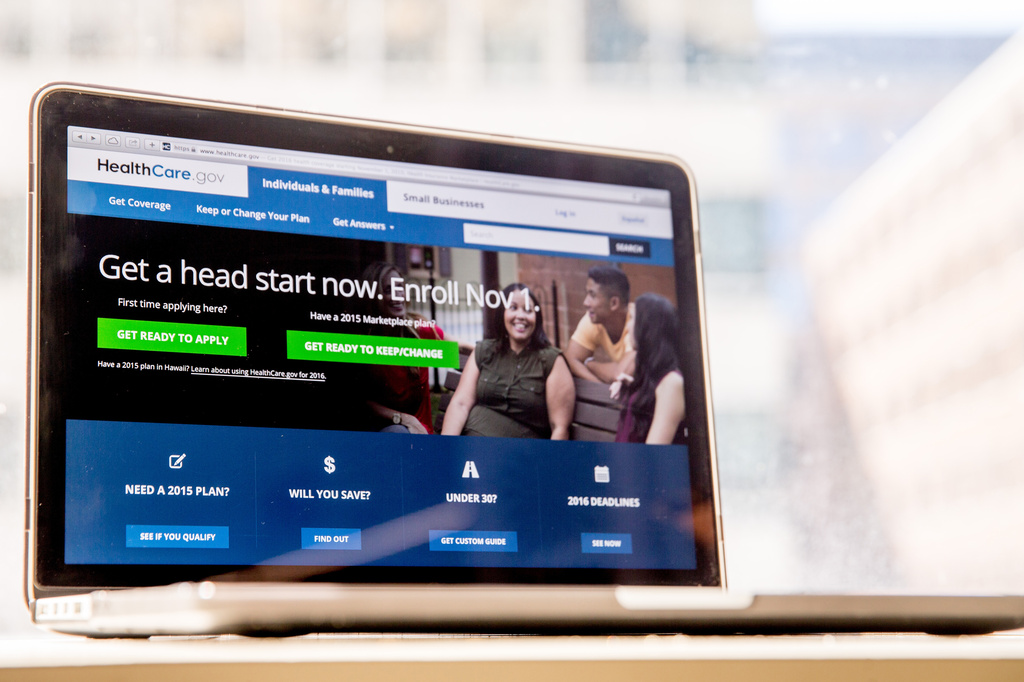
The Health Insurance Landscape
For decades, health insurers in the United States have expanded their influence, accruing substantial revenues. In 2025, the seven largest for-profit health insurance companies amassed revenues nearing $1.7 trillion, with profits exceeding $54 billion. This raises concerns about transparency in their financial reporting.
Government Reliance and Profit Concerns
Many insurers rely heavily on taxpayer money. UnitedHealthcare obtains over 77 percent of its income from government programs. This seems contradictory given its substantial coverage in commercial plans. The lobbying efforts by insurers to maintain ObamaCare subsidies exemplify their focus on maintaining profit margins.
Stock Buybacks and Executive Compensation
Since 2015, the top insurers have spent over $137 billion on stock buybacks. This practice inflates stock prices, benefiting executives and overshadowing potential financial issues. Historically, stock buybacks were viewed as market manipulation, suggesting significant ethical considerations.
Impact on Patient Care
Insurers’ focus on profits instead of reducing premiums has increased financial strain on patients. Denials, pre-authorizations, and out-of-network disputes complicate access to necessary healthcare. Vertical integration in the industry has led to further price hikes, exacerbating these issues.
Proposed Solutions
Breaking up large insurers or eliminating for-profit healthcare models could alleviate patient burden and improve accessibility to care.
Emergency room visits and essential treatments should not lead to overwhelming financial distress. Addressing these systemic problems requires action against sectors acting against patient interests.
Attention from Lawmakers and Public Awareness
Growing awareness among the American public is pressuring Congress to scrutinize healthcare practices. Advocacy for reform is gaining traction.
Greg Murphy, M.D., represents North Carolina’s 3rd District and is the co-chair of the Congressional Doctors Caucus.