
Arab Parties Gain Momentum
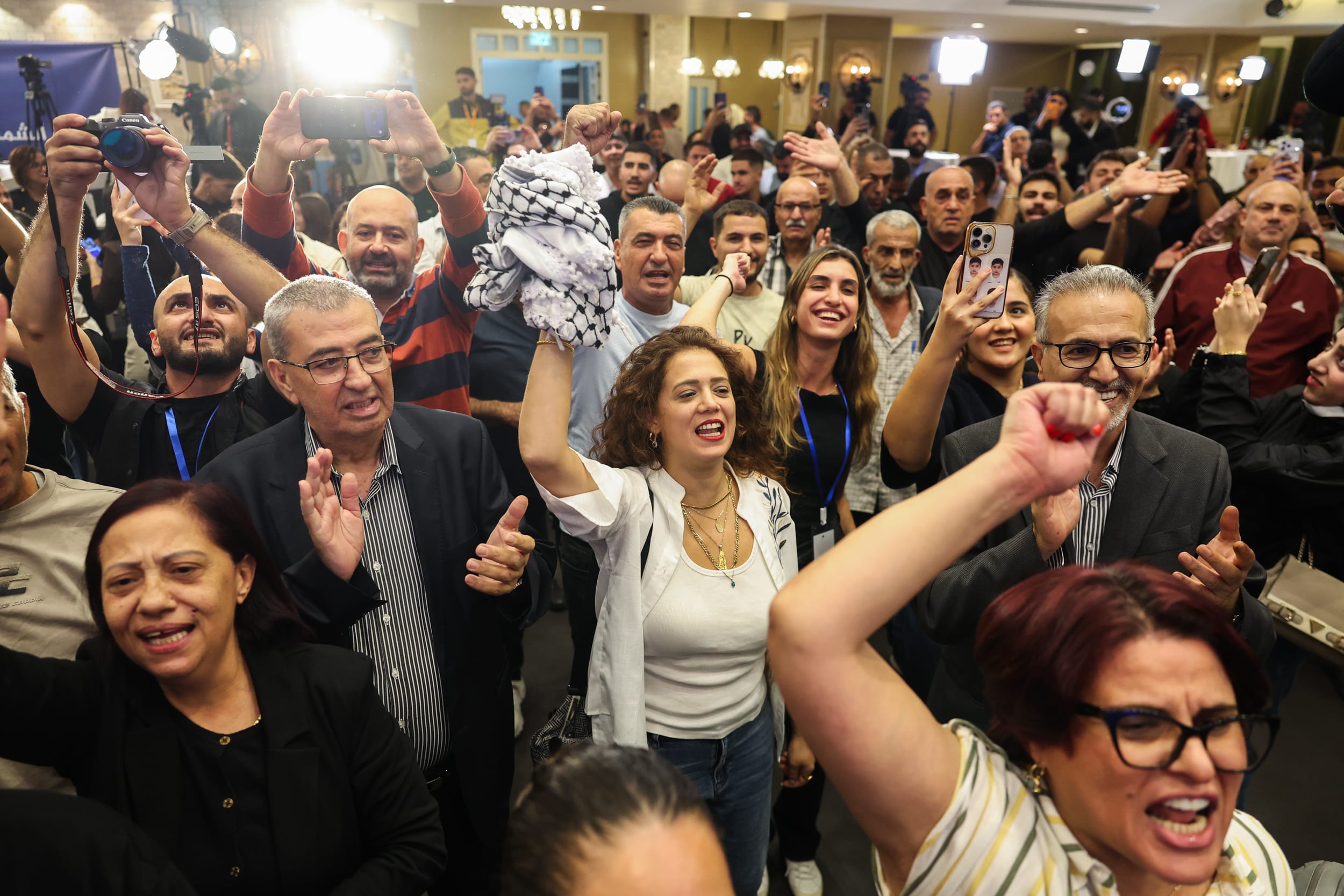
The Joint List alliance, which consists of several Arab parties, experienced enthusiastic celebrations upon the release of exit polls. This marked a historical night for Palestinian citizen turnout in Israel. According to Joint List candidate Faten Gattas, the group remains committed to opposing occupation and racism. At the headquarters in Nazareth, Joint List supporters, including those of Palestinian candidate Yousef Jabareen, celebrated the early poll results.
Candidates hope that high participation from Arab voters will enable them to prevent the return of Netanyahu’s coalition, considered the most far-right in Israel’s history. However, Eisenkot, Netanyahu’s main rival, has expressed reluctance to collaborate with Arab parties, complicating his path to a majority despite his bloc’s slight lead in exit polls. Major networks reported Eisenkot’s bloc having a two-seat advantage over Netanyahu’s Likud-led camp.
Anniversary of Oct. 7 Attacks and Its Influence
October 7 marks three years since the attacks at the Nova music festival. The events have impacted Netanyahu’s reputation as “Mr. Security,” a crucial aspect of his political identity. The attack’s aftermath touched many Israelis directly due to connections with hostages or soldiers involved.
The election also revolves around issues like the high cost of living, corruption, violence, a flawed educational system, and inadequate public transportation.
Record Voter Turnout
Today’s election featured a turnout rate of 77.7%, the highest since 1999. Around 5.7 million voters participated, increasing by 7.1% from 2022’s election data.
Post-election Procedures and Coalition Formation
The official results will be published within eight days. Historically, extensive negotiations follow each election, as parties attempt to secure a government backed by at least 61 Knesset members. Smaller parties sometimes yield significant influence due to their roles in these majority formations.
President Isaac Herzog will delegate the task of forming a government to a Knesset member shortly after results publication. Though traditionally given to the leader of the largest party, the mandate may also go to someone deemed more capable of forming a coalition.
Netanyahu’s Campaign Focus
Netanyahu emphasized his relationship with U.S. President Donald Trump throughout his campaign. His supporters back his stances on military actions regarding Iran and the displacement of Palestinians from the West Bank. Eisenkot’s supporter base worries about Israel’s damaged global reputation and desires a shift away from the war.
Exit Poll Insights
Initial exit polls reflect declining trust in Netanyahu among Israelis, as noted by rival Eisenkot. Preliminary data from Channel 12, Channel 11, and other broadcasters show similar seat projections for both major blocs but no official results yet. The Knesset requires a minimum of 61 seats to form a government.
Election Integrity and Exit Poll Data
All polling stations have officially closed, commencing vote tallying and result verification. Monitoring ensured election integrity at all polling locations. Exit polls suggest no definitive winner, presenting rival blocs with similar seat predictions across multiple channels.
Arab Participation and Historical Context
Arab voter turnout reached historically high levels, driven by sentiments toward current leadership, as noted by pollster Dahlia Scheindlin. Historical events like National Security Minister Itamar Ben Gvir’s term and prevailing homicide rates contribute to motivating Arab voters.
Haredi Parties and Coalition Influence
Discussions concerning the Haredi community’s military service exemption are frequent, given their influence since 1977 in various coalition arrangements. Their role might diminish due to recent conflicts, shedding light on military capabilities and policies.
Polling Station and Public Response
Despite high turnout and queues, no extensions to voting hours were announced. Voters, notably in Tel Aviv, expressed the significance of these elections for Israel’s future. Many seek change concerning governmental conduct and socio-political issues.
Influence of Young Voters
Young Israelis, primarily drawn to right-wing parties, reflect societal differences compared to other democracies. The military’s impact distinctly shapes their political inclinations following transformative events like the Oct. 7 attacks.
International Concerns
Iranian President Masoud Pezeshkian condemned military actions by Israel and the U.S., entangling regional security dynamics. His recent efforts include fostering dialogues with neighboring countries to de-escalate tensions.