
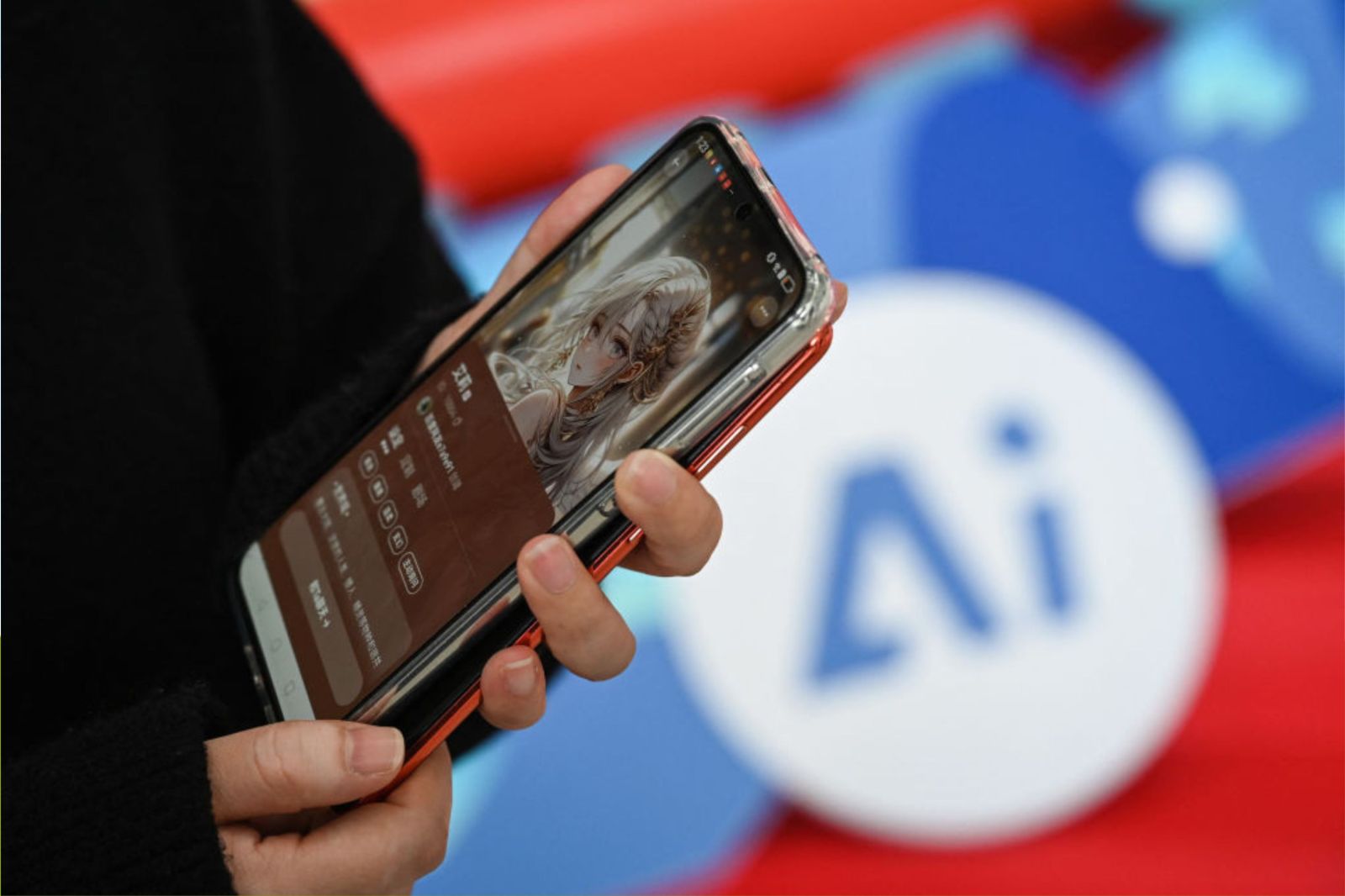
Artificial intelligence is transforming the dating landscape in America, prompting concerns from therapists about its effects on connection and intimacy. AI companions, known as ‘AI girlfriends’ or ‘AI partners,’ offer a form of interaction that lacks the emotional risks of real relationships.
A study conducted by Vantage Point Counseling revealed that 28.16% of U.S. adults have experienced at least one romantic or intimate relationship with an AI. Over half of the respondents reported some form of relationship with an AI system. While this trend is growing, it raises alarms, especially for the younger generation, according to therapists.
Concerns from Professionals
Alexandra Cromer, a licensed professional counselor with Thriveworks, expressed concerns to Newsweek. She stated that AI companions do not set a realistic standard for healthy relationships. They present a fantasy rather than a grounded reality and healthy interpersonal connections.
The Significance of AI Romance
The increase in AI-based relationships indicates a shift in how people connect and what they expect from partners. AI companions are designed to be constantly responsive and agreeable, providing a satisfying experience momentarily. However, therapists warn this can skew expectations of real partners, who have their own needs and boundaries.
Why People Are Drawn to AI Companions
The appeal of AI companions is rooted in their simplicity. Dr. Michael Salas from Vantage Point Counseling noted that AI relationships simulate connection without the unpredictability of human behavior. AI partners offer immediate responses, constant availability, and consistent validation.
Additionally, users can control the tone and personality of their AI companion, minimizing the risk of rejection or conflict often present in human relationships.
Changes in Dating Expectations
AI partners may appear as an easier option, but this can lead to complications in real-life connections. Real-world dating can feel challenging when compared to the smooth experiences with AI. Exposure to frictionless relationships can reshape how individuals approach intimacy, especially young users learning to date.
Human relationships typically involve mismatched expectations and emotional discomfort. These experiences are essential for developing relational skills. Bryan Driscoll, a generational expert, emphasized the long-term risk is more about the decline in relational skills. When AI meets emotional needs without resistance, the tolerance for real relationships’ complexities can diminish.
The Wider Impact of AI Relationships
AI romance is not confined to those feeling lonely or disengaged from dating. The Vantage Point study showed that even individuals in committed relationships are exploring AI intimacy. This trend raises questions about exclusivity and fidelity in relationships.
Dr. Salas suggests couples need to consider not just physical intimacy but also if they are keeping emotional or sexual connections hidden.
Youths and AI Relationships
The shift towards AI companions is pronounced among younger generations. Another poll by Vantage Point Counseling indicated that 72% of U.S. teens have used an AI companion, with one in three using them for social interaction and romantic-style conversations. During adolescence, learning to navigate real relationships is crucial.
AI provides a secure form of interaction, which might hinder real-world social skills development if used as a substitute for human connection. Cromer warns about increased isolation and frustration with dating if AI companions replace human interaction.
Future Challenges and Considerations
AI companion platforms continue to grow, with millions engaging with chatbots designed for friendship and romance. Driscoll highlights the potential issues, including a generation used to effortless relationships facing difficulties with ones that require effort and engagement.
In a society increasingly outsourcing connections, there is a risk of greater loneliness and disengagement than data might reflect.