
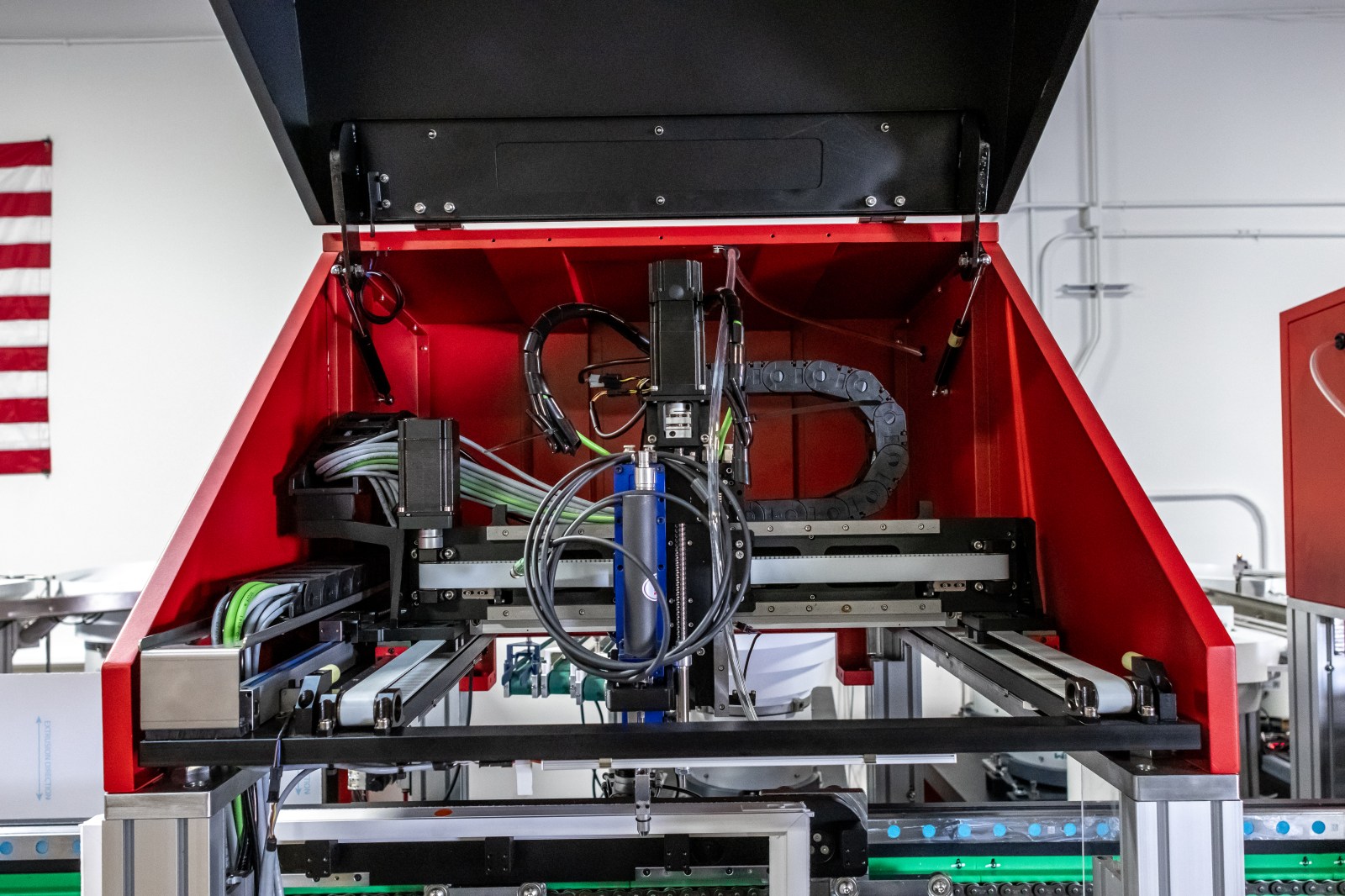
AI’s Transition to Physical Systems
Artificial Intelligence (AI) often generates polarized views. Some people exaggerate its capabilities, while others downplay its potential. This dichotomy is especially evident when discussing AI models’ ability to generate and simulate. The bigger conversation revolves around AI’s evolving role, particularly as it integrates with robotics and advanced manufacturing.
In these areas, critical questions emerge. How will AI collaborate with robotics? When systems must optimize performance, how will they adapt to environments demanding precision, safety, and accountability? Determining responsibility when errors occur is vital.
Gathering in Edinburgh: Defining AI’s Future
Edinburgh hosts a significant event this week. Launchpad Build AI, an AI software company from El Segundo, California, is organizing the “World of Tomorrow.” This event gathers senior leaders from various sectors, including industry, government, defense, and investment.
The goal is clear: explore AI’s transition from abstract concepts to tangible applications. Companies like NVIDIA, TSMC, and Nebius are enhancing infrastructure capabilities for industrial-scale robotics.
AI in Manufacturing: Challenges and Opportunities
As AI becomes embedded in real-world systems, manufacturers and robotics firms push boundaries. They deploy AI in warehouses and assembly lines where machines must perceive, decide, and act rapidly. Economic factors influence this shift. The U.S. labor force has shrunk by 1.7 million since February 2020, causing hiring challenges. Similarly, in the U.K., reindustrialization gains attention. Capgemini estimates British investments in this area to reach $650 billion by 2028. Fragile supply chains add pressure, with 37% of U.K. companies reporting disruptions due to volatile trading environments.
National Security and Industrial Sovereignty
For the U.S. and European governments, manufacturing capacity links to resilience, sovereignty, and national security. Competition for chips and critical infrastructure heightens these concerns.
Jon Quick, CEO of Launchpad Build AI, highlighted the complexity in reconciling AI and manufacturing conversations. It’s essential to find a pragmatic approach to merge AI and manufacturing innovations.
The Early Adopters’ Advantage
Companies utilizing appropriate tools to maintain factory operations, reduce labor reliance, and build resilient manufacturing systems stand to gain substantial advantages. Sectors like manufacturing, logistics, and defense face unique challenges, handling unpredictable inputs, adapting to changing conditions, and integrating legacy machinery with AI systems.
In industries like automotive production and warehouse automation, combining AI vision systems with existing production lines proves challenging. While software errors cause inconvenience, mistakes on a factory floor can halt production or jeopardize safety.
The Significance of the World of Tomorrow
The “World of Tomorrow” gathering includes noteworthy participants. Companies such as Nvidia, TSMC, and Nebius join industrial, defense, and technology leaders like Lockheed Martin UK, BAE Systems Air, and Leonardo. Investors, advisors, and government representatives participate, discussing AI’s practical applications.
Topics cover AI’s limitations and capabilities on the factory floor, shifting liability and intellectual property, and transforming technical promises into operational advantages.
The next AI phase won’t be dominated by bold claims. Effective application in the physical world will define success.