
Growing up in Italy, one key tradition was merenda. This term refers to a specific snack eaten between meals, typically between 4 p.m. and 6 p.m. It served as a bridge between lunch and dinner. My favorite merenda included a Kinder Cioccolato with an Estathé, enjoyed while watching TV after ballet class. Dinner in Italy was always at 7 p.m., even for children.
The concept of merenda revolves around fixed meal times. Lunch, followed by merenda, and then dinner. This structure provided rhythm to the day.
Upon moving to the United States in 2005, I noticed a cultural shift. Snacking in America seemed to lack a fixed time. Snacks could be consumed at any hour, whether in the morning, afternoon, or night. This free-form approach made snacks more of a continuous presence rather than a bridge between meals.
A survey of 1,000 full-time American college students ages 18 to 25 revealed that only 24% regularly eat three balanced meals daily during school sessions. Over half mentioned replacing meals with snacks, and another quarter reported eating when possible or following unpredictable eating schedules. Among students with at least one year of college experience, 96% had replaced meals with snacks during a typical week.
The data suggests that the traditional concept of meals is shifting, possibly disappearing. It’s not that Americans are disinterested in meals but that modern life challenges the time needed for uninterrupted meals. College students might be at the forefront of an America where food fits around work and productivity.
The trend extends beyond campuses. A survey conducted by the International Food Information Council showed that by 2025, 62% of Americans occasionally or regularly replaced traditional meals with snacks. This figure was 38% in 2020.
Circana, a market-research firm, noted that 55% of U.S. consumers have three or more snacks a day. People often snack during or instead of meals, not just between them.
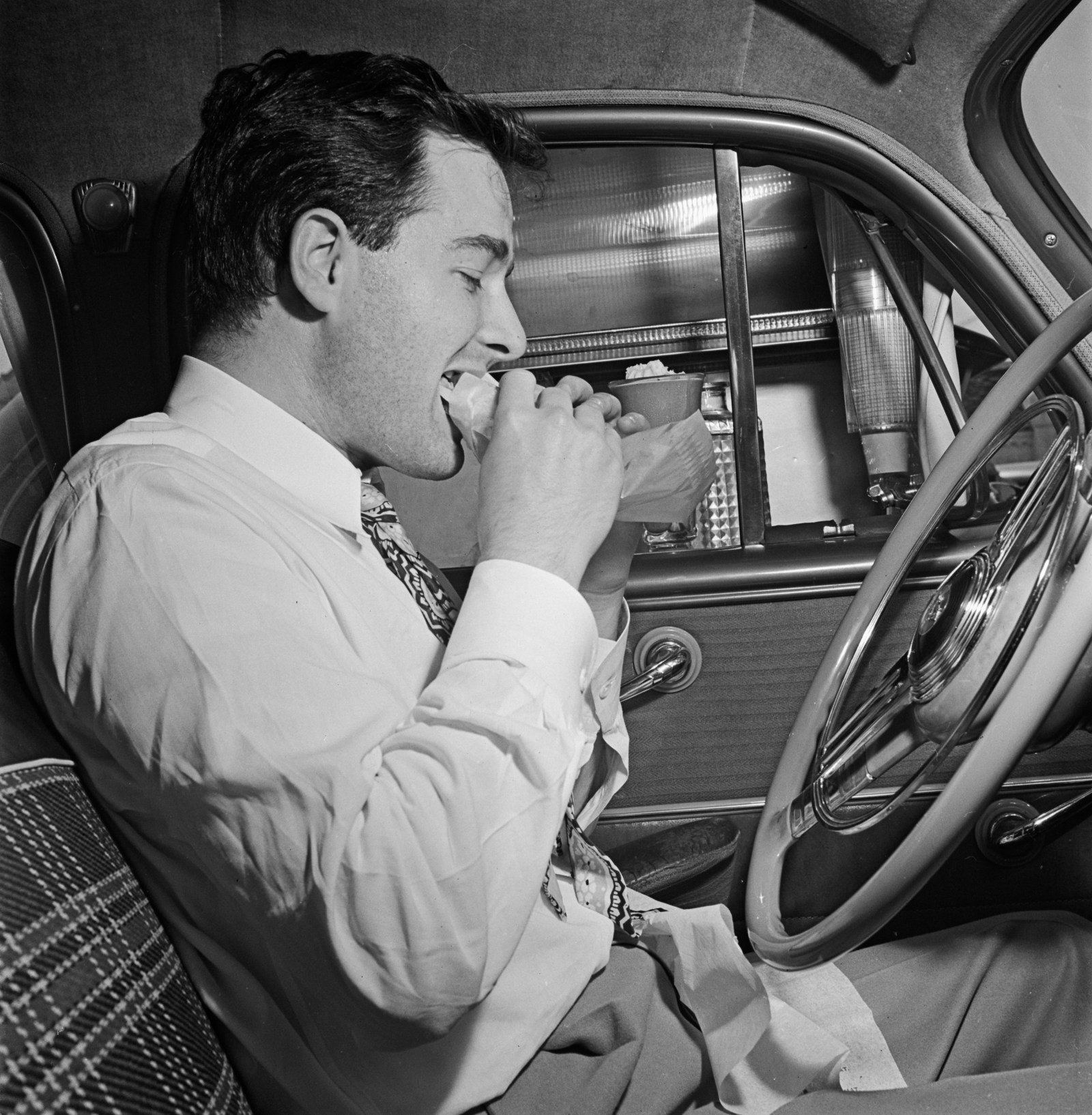
The meaning of lunch has changed. It used to imply an hour where one could be unavailable for other tasks. The concept of the lunch hour no longer strictly exists. Instead, eating often accompanies other activities, transforming it from an activity into a background process.
For example, Kristi Eaton, a PR agency owner, often finds herself multitasking during her meals. She works on emails or scrolls on her phone while snacking. Lunch breaks, as Ashlie Garcia, a Fresno business owner, observes, often turn into quick bites during phone calls or while driving.
Despite this, Americans are not forgetting to eat. The Bureau of Labor Statistics’ 2025 American Time Use Survey indicates that individuals aged 15 and older still spend about 1.2 hours daily on eating and drinking as their primary activity. However, meals often need to blend with other tasks, influencing the kind of foods that fit into American life.
Convenience foods are not new but now serve a different purpose. They support the concept of meals becoming fragmented or quick. Foods that are portable, quick to eat, and protein-rich meet the demands of a busy day. The college survey revealed that 70% of students choose snacks based on protein content, and 82% feel that healthy snacks energize them.
For Kristi Eaton, dinner is when eating once again becomes an independent activity, offering a chance to relax at the end of the day.
Financial factors also play a role. Eighty-six percent of surveyed college students feel financially stressed by everyday expenses. Nearly 90% of students with a year or more of college have reduced food purchases or skipped meals to manage costs. This financial strain further shifts meals to less formal snack times.
Ashlie Garcia explains that for someone cooking for one, preparing a full meal can feel wasteful. Grocery items marketed for larger households make snacking a practical alternative to cooking meals that might not be finished.
There is a social cost to this change. Meals are a time for convergence. Family dinners, school lunches, and office breaks bring people together. However, with eating becoming an individual task completed during other activities, opportunities for shared experiences are diminishing.
In Italy, merenda worked because everyone knew that dinner time would bring the family together. America’s snack culture may reflect broader societal changes where eating becomes a solitary and often invisible part of daily life.