
Crime rates in America might be decreasing, but interest in true crime stories continues to grow. The availability of content in various formats is vast, such as streaming platforms like Netflix’s ‘Monster: The Lizzie Borden Story,’ podcasts like ‘Crime Junkie,’ popular TV series such as CBS News’ ’48 Hours,’ and the cinema release ‘By Any Means.’
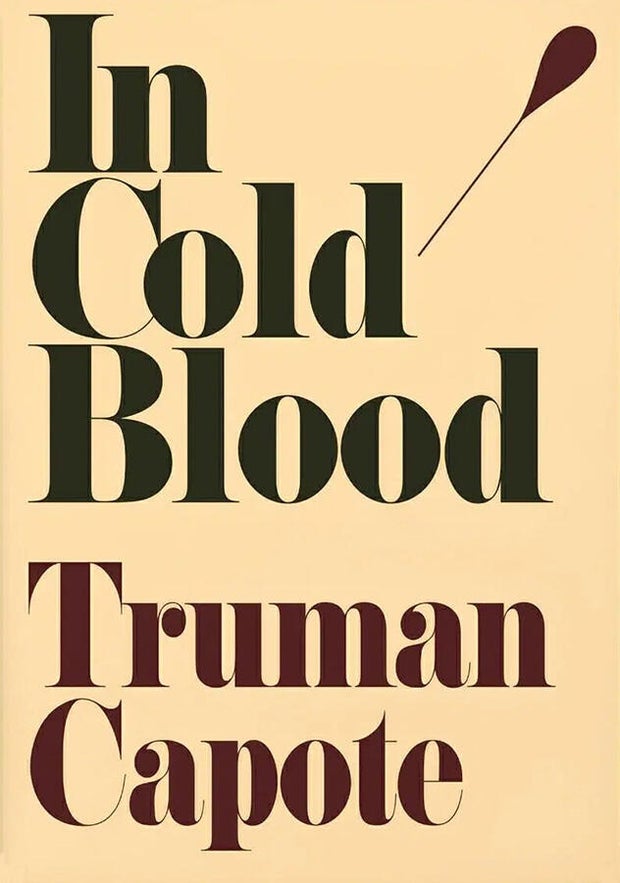
The appeal of true crime isn’t a recent phenomenon. Truman Capote’s book ‘In Cold Blood,’ published in the 1960s, is often credited with popularizing the genre. The work covers the murder of the Clutter family in Kansas and has left a lasting impact on readers. Jean Murley, a professor at the Savannah College of Art and Design, recalls reading the book in her late teens and becoming captivated by its real-life horror and drama.
“I read Truman Capote’s ‘In Cold Blood’ when I was probably 17, 18; it hit me as no other book has ever hit me,” said Jean Murley. “I just became more and more fascinated with it – the sort of drama, the fact that these stories were real, horrifying.”
An enduring mystery is the 1892 case of Lizzie Borden, accused of brutally killing her father and stepmother. The case remains unsolved, adding to its intrigue. Murley notes that crimes involving prominent figures or mysterious circumstances, like Borden’s, captivate the public’s imagination.
“It was a very high-profile crime at its time, with a woman at the center of, you know, two acts of horrific violence,” Murley explained. “And it has continued to be super-interesting, because she was never convicted. Nobody was ever convicted for those crimes.”
Murley believes that true crime’s allure is natural, as it resonates with fundamental human emotions. High stakes and themes like mortality and violence are explored, drawing audiences into these profound narratives.
The podcast ‘My Favorite Murder,’ hosted by Karen Kilgariff and Georgia Hardstark, exemplifies this interest. Despite humble beginnings, the podcast has amassed over two billion downloads. The hosts engage audiences not with entertainment, but with insights on vulnerability and survival.
“True crime as entertainment, at first, worries a lot of people. We want it to be about the victims, because we understand as women how vulnerable we are. We’re not entertained by true crime. What we want is all the information about human experience that we can get,” Hardstark said.
CrimeCon serves as a gathering for both fans and creators of true crime content. Erin Moriarty of ’48 Hours’ remarked on the responsibility to respect the human impact of these stories. Some amateur sleuths use online resources in attempts to solve cold cases, though Moriarty warns against incorrect accusations.
Steve and Kristi Goncalves attended CrimeCon to promote ‘Murder Has a Name,’ a foundation established in memory of their daughter, Kaylee, a victim of murder in 2022. They aim to fund private investigations of unsolved murders, driven by their personal loss and understanding of other victims’ families.
“It doesn’t feel like it’s been three-and-a-half years,” Kristi said. “It’s weird because sometimes it feels like it’s been ten years. But then other times it feels like it was just yesterday.”
Reflecting on her true crime engagement, Murley advises maintaining empathy and awareness of the real lives involved in these stories.
“I think that most people are good,” she said. “I think that most people would never harm somebody else. Violence is unimaginable to the large majority of people. I really do believe that. If when you are watching something, listening to something, reading something, if you can just keep reminding yourself that this is a real person.”