
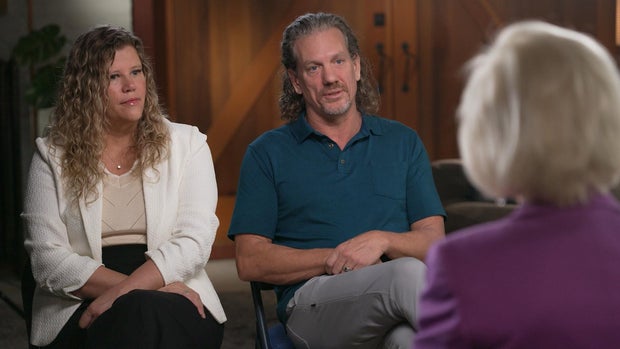
In mid-August, within the luxurious Ritz-Carlton hotel in Tysons Corner, Virginia, lobbyists Jack Burkman and Jacob Wohl presented their latest proposal. They met with Ammon Covino and his wife, Crystal. Covino, an aquarium operator previously imprisoned for illegally transporting marine life, had already sought a pardon from President Trump, only to face rejection.
Brokers, including Burkman and Wohl, are thriving in a new industry aimed at influencing presidential pardons. They proposed to Covino that, for $300,000, a pardon might be secured by October. Unknown to them, Covino was part of a CBS News investigation into these pardon brokers.
The traditional clemency process involves the Department of Justice. More than two dozen DOJ lawyers evaluate each case, considering rehabilitation evidence, and advising the president on worthy candidates. Yet sources claim Trump’s second term has largely bypassed these procedures, making personal connections the primary method to achieve clemency.
The brokers reportedly charge hefty fees, varying from thousands to millions for accessing presidential pardons. Mark Osler, a law professor, underscores how access has become paramount for those seeking clemency—leading to exorbitant prices in a system meant to be accessible.
This industry doesn’t always operate covertly. Lobbyists disclose their clemency clients and fees, but promise delivery mechanisms remain cloaked in secrecy. Contacts reportedly range from MAGA influencers to close associates of the president.
Brett Tolman, a former U.S. attorney, noted that bypassing the Justice Department has become common among brokers. In a call with Covino, Tolman explained his approach of sending applications directly to the White House, expecting success in most cases while underlining Covino’s original application stood little chance.
The clemency landscape is referred to by seasoned activists as a marketplace. Allegations of biases in decision-making have surfaced, particularly when pardons favored the wealthy or politically connected. Melissa Coulson’s family, who never received a payout after winning a judgment against Joseph Schwartz (pardoned by Trump), exemplifies frustrations surrounding clemency choices. Schwartz had multiple legal infractions, yet Burkman and Wohl argue the pardon was justified.
Burkman and Wohl deny engaging in any pay-to-play scenarios. They advocated, claiming merit in aiding clients through the complexities of Washington. They emphasize navigating the process remains detached from formally accredited systems.
Clemency decisions during Trump’s presidency diverged from previous norms. The era saw encouragement of no-remorse applications, invoking Trump’s grievances against the justice system. Exaggerated claims of innocence followed pardons, exemplified by statements from people like Trevor Milton and Juan Orlando Hernández.
While CBS News gained insights into the workings of pardon brokers through Covino’s investigation, the perception of transactional immunity under Trump’s presidency persists. Ed Martin, former pardon attorney within Trump’s administration, denied such transactions, arguing decisions were ethical.
The intricate dynamics of this pardon economy spotlight both how people attempt to navigate it and how it challenges traditional methods. Many, including Covino, express concern over necessary financial stake for clemency, illustrating the evolving and contentious nature of presidential pardons.