
Six months into the ongoing conflict, the key concerns regarding Iran have shifted from its military capabilities to more political and historical questions. Attention now centers on the governance of Iran – whether it is led by figures such as Mojtaba Khamenei, Masoud Pezeshkian, or the Islamic Revolutionary Guard Corps (IRGC). Over time, Iran appears less like a Shiite theocracy and more like a militarized regime, with the clerical establishment providing ideological support to the military.
The rise of the Islamic Republic in 1979 promised transformation but delivered control. Through political Islam, Tehran has intertwined state power with foreign policy through terrorism and proxy warfare. Over decades, the regime has extended its reach through international terrorist networks and repressed political expression domestically.
Now, survival becomes the primary instinct of this regime. War serves as a tool for survival by labeling dissent as treason and criticism as cooperation with enemies. The distinction between Iran and the Islamic Republic has become crucial in this context.
Economic pressures compound these issues, especially under initiatives like Operation Economic Outcast, which targets financial links supporting the regime and the IRGC. Iran’s economic challenges predate current conflicts and sanctions, rooted in corruption and mismanagement. This pressure exacerbates a deeper crisis, driven by a disconnect between societal aspirations and the outdated ruling establishment.
The possibility of another uprising remains uncertain. Historical patterns show that revolutions are seldom predictable. Grievances persist, and the regime’s legitimacy continues to wane despite suppressed uprisings. The silent calm should not be mistaken for public consent.
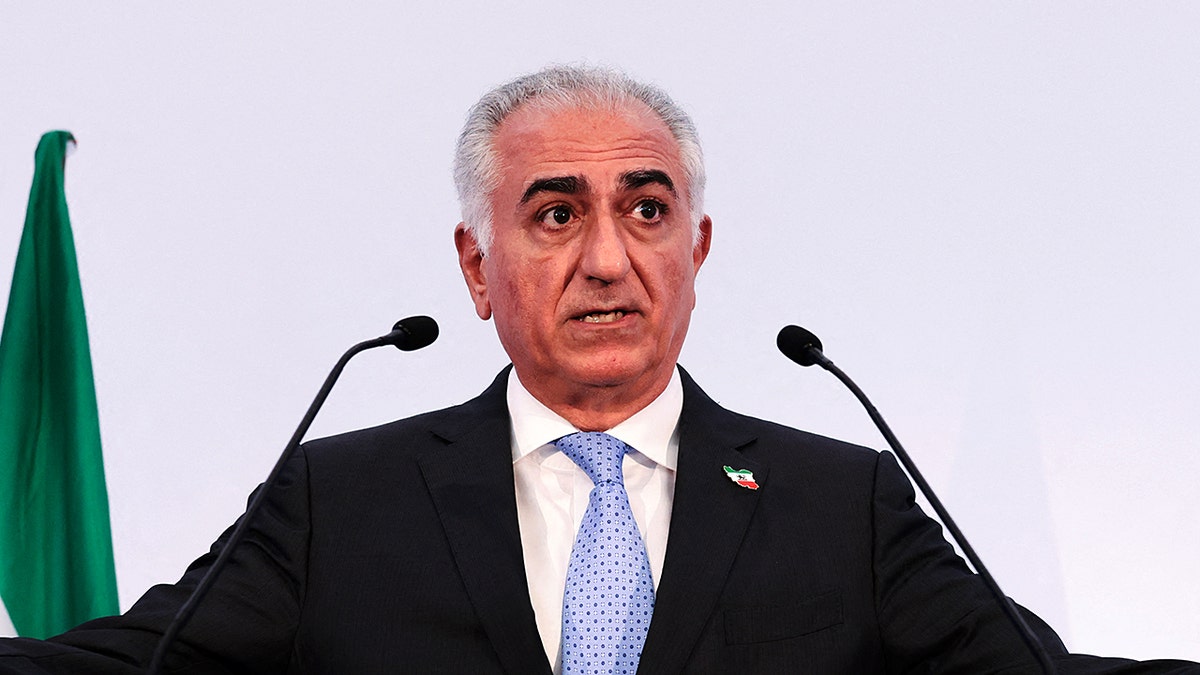
The notion that the collapse of a dictatorship naturally leads to democracy is misleading. The transition period may prove unstable. Iranians, not external forces, should determine their political future, considering figures like Reza Pahlavi and ideas such as a constitutional monarchy.
While the demise of the Islamic Republic might not eliminate entrenched ideologies like Islamism, Marxism, and sectarianism, successful democracy depends on prioritizing citizenship over ideology. The transition to a new political order will be tough, due to the systematic destruction of necessary institutions.
Washington’s handling of Iran’s regime history shows mixed outcomes. Adapting to new realities requires more than renegotiations or tactical deals that might strengthen problematic behaviors. As Iran changes, U.S. security interests compel careful strategy toward Iranian networks and asymmetric capabilities.
Future political direction relies on historical reflection. The failure to comprehend the revolutionary shift in 1979 underscores the importance of preparation and understanding Iran’s national integrity and democratic movements before institutions collapse.
China’s position adds complexity, as it supports stability without confronting the destabilizing actions of Iranian-backed groups. Maintaining open trade routes conflicts with supporting forces that threaten them.
The enduring strategic issue is not the separate crises but the consequences of the ideological foundation laid in 1979. The world will continue to confront these issues until the core strategic problems are addressed.
Ultimately, the aftermath of the conflict is unclear. However, the importance lies in contemplating a future that transcends the Islamic Republic. Acknowledging Iran’s traditional nationhood means preparing for changes that emphasize the Iranian people’s right to dictate their own future.