
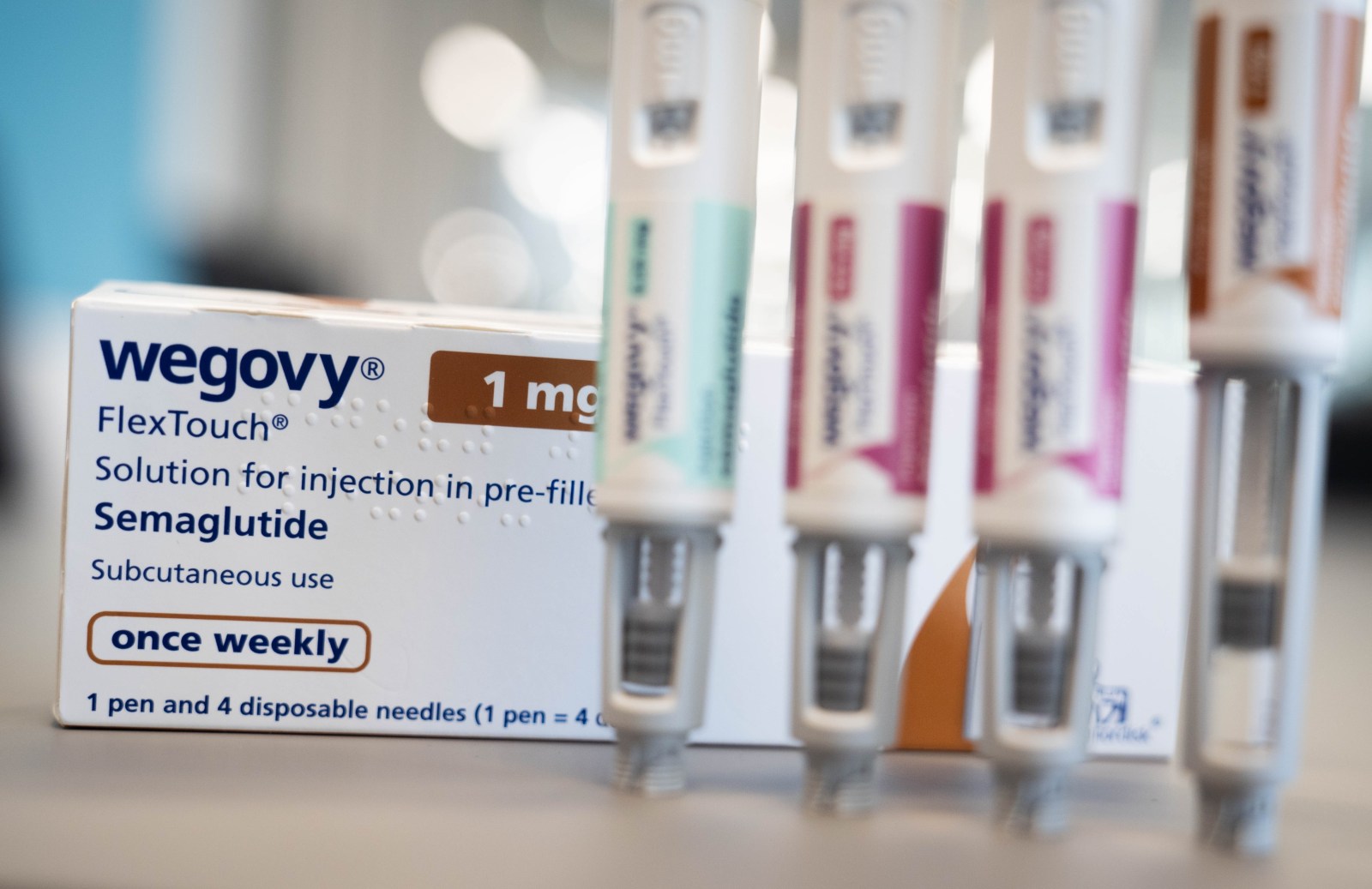
Drugs like Ozempic and Wegovy, known as GLP-1 receptor agonists, are lauded for their weight loss benefits. However, concerns arise as they also affect critical brain functions. These drugs reduce ‘food noise,’ persistent eating thoughts, by mimicking hormones that enhance fullness and slow digestion, impacting brain areas tied to reward, impulse, and mood control.
Understanding Brain Effects
Scott Kanoski from the University of Southern California highlights the ability of some GLP-1 drugs to affect brain regions associated with emotion, reward, and memory. Their effects remain poorly understood and may vary based on both the patient and the specific drug.
A recent study indicates semaglutide use led to a 40% decrease in alcohol intake. Yet concerns persist, with some studies suggesting a link between these drugs and eating disorders or mental health impacts, necessitating cautious use under medical supervision.
Emerging Mental Health Concerns
The American Psychological Association cautions that while GLP-1s may reduce addictive behaviors, they could also diminish dopamine responses to non-food-related activities. The National Eating Disorders Association notes unresolved questions about their safety for those with eating disorders due to possible drug misuse and exacerbation of these disorders.
Research points to ‘drug-induced’ anorexia and connections to increased anxiety, depression, and even suicidal thoughts. Experts suggest GLP-1s might offer some anti-addictive benefits but also risk worsening depression-related symptoms.
Concerns Regarding Misuse and Accessibility
Dr. Sarah Boss of BALANCE Rehab Clinic shares that one-third of their patients misuse GLP-1s without meeting clinical guidelines. Many obtain these drugs through improper channels without medical oversight.
Such misuse correlates with recorded cases of ‘cosmetic abuse’ and access to unsafe, unregulated alternatives when official brands are unaffordable. Experts emphasize the need for research to keep up with these drugs’ rapid adoption to assess their true risk and benefit profile.
Boss underscores the pattern of worsened mental health symptoms in patients using GLP-1s unmonitored, leading to potential psychological dependence due to unaddressed emotional regulation issues.
Mixed Evidence and Ongoing Research
Paul Kenny of Mount Sinai suggests GLP-1s have potential mental well-being benefits, depending on the individual and dosage. Their ability to reduce compulsive behaviors shows promise, but mental health effects are not universally positive or negative. Understanding varying patient responses is crucial for future studies.
Ali Güler from the University of Virginia sees the drugs’ potential in alleviating stress caused by weight-related issues but emphasizes their psychological impact varies widely among patients.
A Call for Personalized Care
Andrew Hardaway advocates for a personalized approach to prescribing GLP-1s, considering individual dosage adjustments to balance benefits and risks. He stresses the importance of developing science-backed, durable solutions rather than relying on assumptions shared online.
Collaborative and rigorous clinical trials are essential to inform safe and effective use of GLP-1s, ensuring long-term patient health.