
A Long-Awaited Crisis for the Colorado River
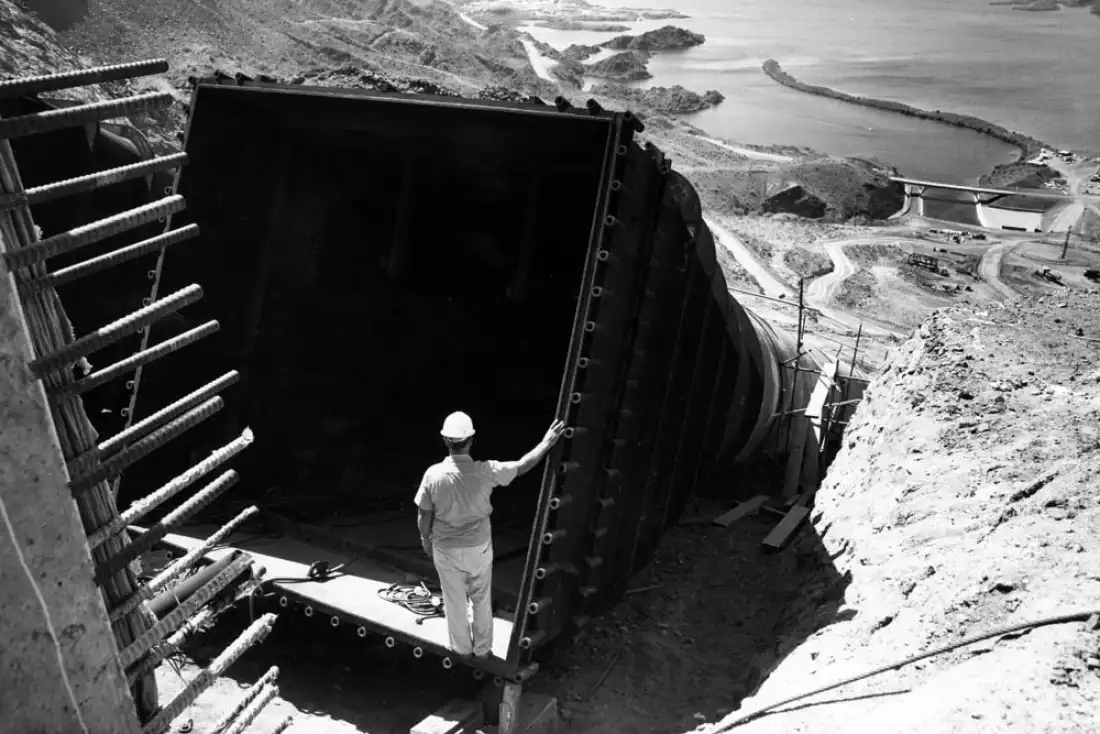
In June 1982, near Parker, Arizona, a significant development took place: the construction of the Mark Wilmer pumping plant. This pump station extracts water from the Colorado River near Lake Havasu and channels it to the Phoenix area through the Central Arizona Project (CAP). Despite warnings from the 1960s regarding the potential drying up of these water systems in the 21st century, these cautions were largely ignored. Consequently, the Colorado River now faces a crucial situation.
Over-extraction from the river has surpassed its capacity, leaving policymakers divided on strategies to curb demand. This has endangered the river and nearly 40 million people relying on its water. Spanning seven Western states, the tense scenario is compounded by low reservoirs and high-stakes legal disputes, underscoring an uncertain future.
The architects of the canal system explicitly warned of low future flows. Yet, their insights were overlooked, shaping the current landscape.
How We Arrived Here
Without the Central Arizona Project, cities like Phoenix and Tucson wouldn’t thrive as they do today. The CAP’s gravity-defying system stretches 336 miles, encompassing canals, pipelines, and pumping plants across the desert. However, current water shortages threaten this expensive endeavor, confirming past warnings.
Rich Weissinger, a veteran working for the canal’s operating organization, emphasizes CAP’s role in providing a stable water source. However, unprecedented dry conditions in the Colorado River basin question its reliability. Climate change-induced drought and extensive withdrawals have tightened water supplies.
Exceeding the River’s Capacity
Policymakers have been unsuccessful in establishing a compromise, leading to dwindling reservoirs and a controversial plan reducing Arizona’s annual Colorado River allocation. This could result in a 47% cut for the CAP.
The 1960s architects foresaw this predicament, advocating for external water sources to supplement Colorado River flows. They proposed connecting with the Columbia River and creating desalination facilities on the Pacific Coast, though these plans remained unrealized.
Ignoring Past Warnings
Upon CAP’s inception, President Lyndon B. Johnson praised its promise. Yet, despite the optimism, proponents foresaw the project’s limitations. Floyd Dominy, former Commissioner of the Bureau of Reclamation, anticipated significant declines due to upstream use by other states.
However, the warnings went largely forgotten. Congressman Mo Udall expressed confidence in future augmentation, though it didn’t materialize. Brad Udall now suggests those plans were lofty for their time but understandable given the context.
Facing Today’s Reality
As Arizona confronts water shortages, revisiting warnings from the past highlights the need for augmentation. Desalination and connections to other water systems could offer solutions, though their feasibility remains debated.
Desalination, although politically complex and costly, might help mitigate shortages. Chuck Podolak, advocating for pragmatic solutions, emphasizes that current discussions shouldn’t ignore agricultural water reallocation.
Learning from the Past for a Sustainable Future
The CAP’s originators correctly identified excessive water demand from the Colorado River. John Berggren suggests revisiting management fundamentals and tightening water usage.
Ultimately, while scrutinizing past decisions aides understanding, the solution lies in forward-looking policies acknowledging finite resources while prioritizing sustainable management.