
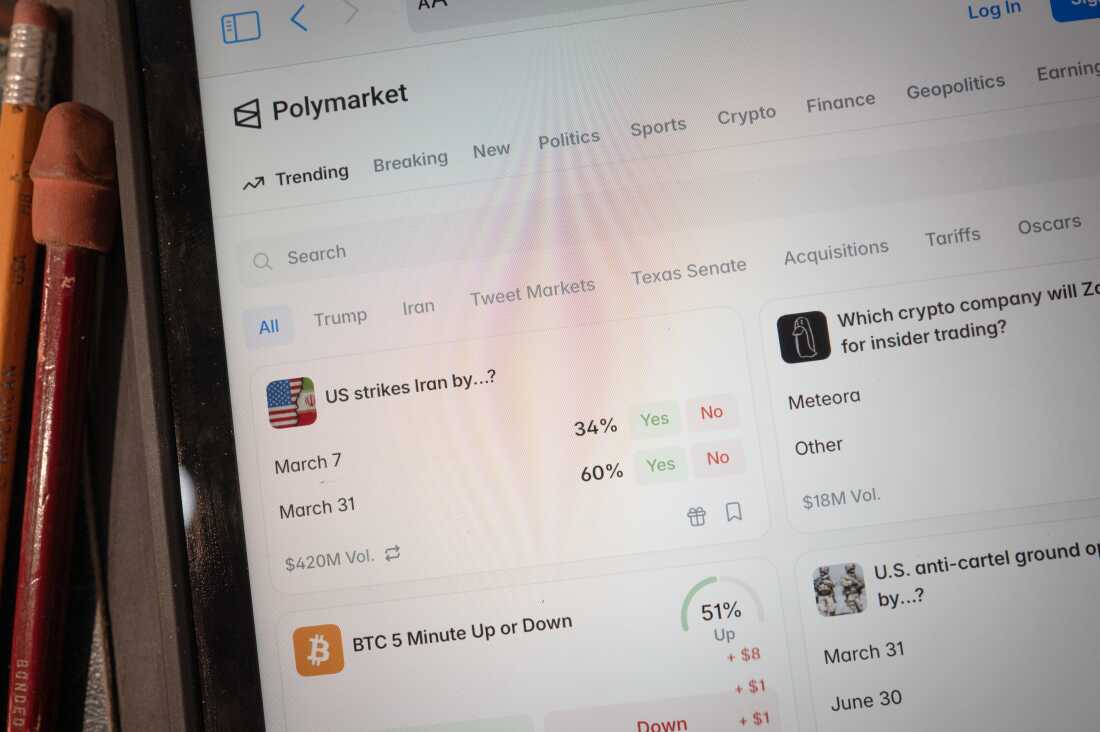
Insider trading continues to be a significant issue. It thrives when individuals have access to exclusive information. Recently, an American soldier reportedly leveraged classified data to transform $33,000 into over $400,000. Moreover, sizable profits have been accrued through strategically timed wagers on platforms like Polymarket.
Prediction markets, such as Polymarket, pose regulatory challenges. These platforms offer insights on events like potential U.S. military actions or political developments. Though it may seem illegal for government officials to engage, it’s more complex.
Understanding Polymarket’s Structure
Polymarket operates with a U.S.-regulated front-end. However, the core activities occur on its crypto-based international back-end. This setup makes it difficult to trace the bettors, hampering regulatory efforts.
Legislative Efforts and Regulation
Senator Richard Blumenthal proposes legislation mandating prediction markets function like regulated sportsbooks. This aims to reduce anonymity and potential insider trading. While anonymity seems easier with cryptocurrencies, all transactions are recorded on the blockchain, making them permanent.
Electricity Demand: An Emerging Challenge
The demand for electricity has escalated significantly. At a recent conference, an executive from Oncor highlighted a projected 122 GW demand increase over five years. However, Texas’s main grid, ERCOT, currently has a maximum capacity of 85 GW.
This represents a roughly 143% increase in demand, far surpassing the typical year-over-year growth of 2%. For example, El Paso has a new 5-GW project, vastly exceeding the city’s existing capacity.
The Feasibility of Meeting Demand
Former FERC chairman Jon Wellinghoff believes meeting these demands is barely feasible. While the grid may accommodate a 10-20% increase, surpassing 100% seems improbable. Additionally, local communities oppose data center construction, with 20 projects canceled this year alone.
School Start Times and Academic Impact
In 2022, California adjusted school start times, prompting research into its effects on mental health, sleep, and academic performance. Findings indicate improved sleep, mental health, and academics, notably among Hispanic and economically disadvantaged students.
Earlier school schedules can be challenging. Shifting start times provided tangible benefits, showcasing a simple solution to enhance student outcomes.
For more insights, subscribe to our newsletter to receive weekly updates. Your feedback is welcome at [email protected].