
Livingston, Texas — Texas authorities made significant rescue efforts on Wednesday as remnants of Tropical Storm Edouard brought severe flooding to rural areas. The storm transitioned to a tropical depression after landfall, causing nearly 2 feet of rain in certain regions. The National Weather Service predicted continuing threats of heavy rain across eastern Texas through Thursday morning.
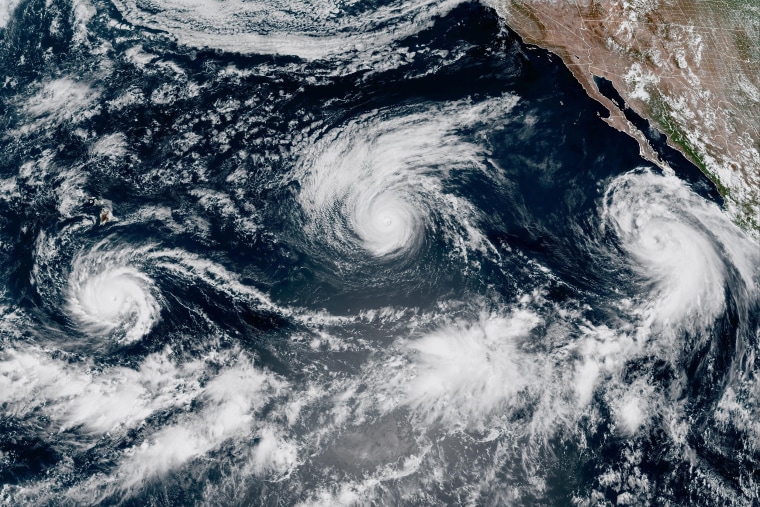
Simultaneously, the Pacific Ocean faced intense tropical activity with three hurricanes in open waters.
Hardin County Suffers Major Impact
Hardin County, situated approximately 85 miles northeast of Houston, experienced severe flooding, downed trees, powerline disruptions, debris, and extensive power outages. Between 18 and 20 inches of rain deluged the area within just two days, an astonishing 3 to 4 times the county’s average local rainfall for September. Meteorologist Nick Slaughter highlighted this exceptional event.
Schools and municipal offices near the Louisiana border closed, urging residents to remain indoors.
Tropical Depression Edouard’s Destruction
Hardin County emergency management officials reported 12 motorists rescued from flooded roads, alongside two individuals evacuated from inundated homes. Trees caused damage to about 10 structures, while thousands remained without power.
In Jefferson County, about 80 miles from Houston, the priority was restoring power to 22,000 customers knocked out by the storm’s wind gusts reaching up to 90 mph, as stated by county emergency management coordinator Robert Grimm. Nearly half of the state’s total affected utility customers reside in this county.
Grady Leger recounted his experience in Hardin County, witnessing a fallen powerline near his Lumberton home that sparked into flames. “Some blue and yellow, white sparks caught part of my dead tree on fire,” he said.
Texas Parks and Wildlife reported an assisted living facility in Hardin County was damaged, necessitating the evacuation of 21 individuals. Game wardens, depicted in agency photos, navigated thigh-high water while aiding evacuation efforts.
Environment agency forecasts indicate the dissipation of Edouard is imminent on Thursday.
Pacific Ocean Braces for Hurricane Activity
Meanwhile, Hurricane Marie strengthened offshore southeast Mexico, presenting risks of swells affecting southwestern Mexico and the Baja California peninsula, with further spread to southern California by the weekend, as noted by the National Hurricane Center in Miami.
Satellite imagery revealed Hurricane Lowell, Hurricane Karina, and Tropical Storm Marie intensifying in the Pacific.
Hurricane Lowell, a Category 4 storm, positioned hundreds of miles south of Hawaii, briefly reached Category 5 status before weakening. Forecasters expect sustained high power levels, generating swells toward the Hawaiian archipelago.
The center warned that swells from Marie and Lowell “are likely to cause life-threatening surf and rip current conditions.”
Hurricane Karina, gaining strength to Category 4, faces forecasted weakening over upcoming days.