
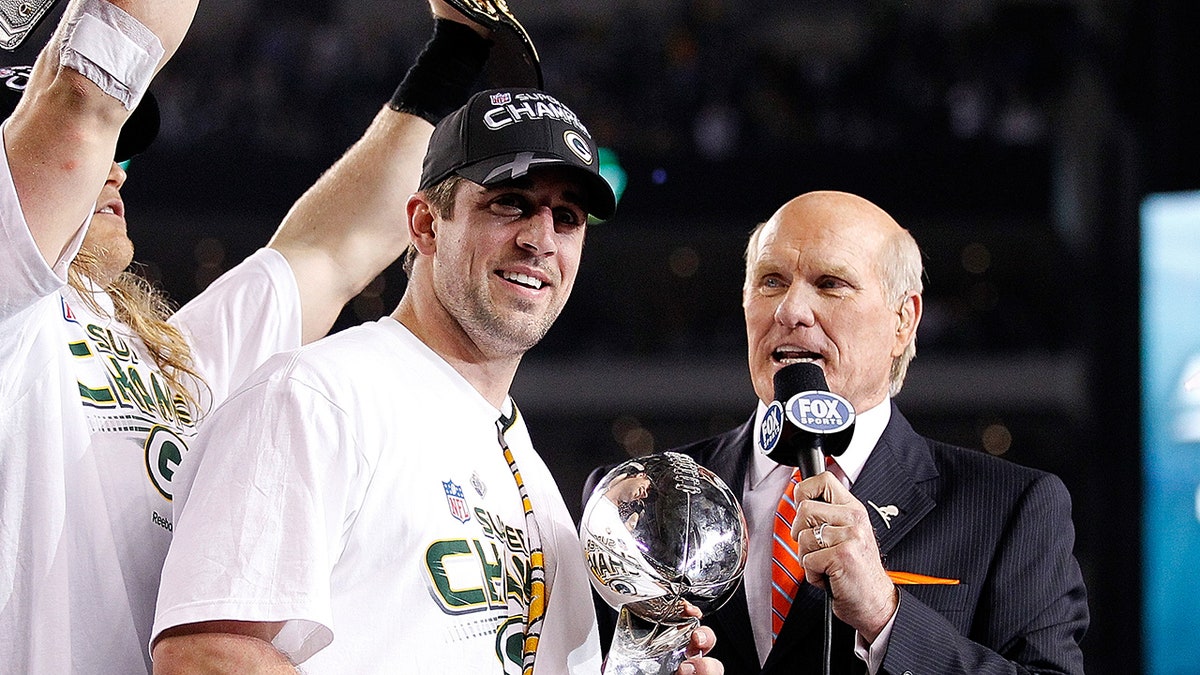
Terry Bradshaw, known for his success as a FOX Sports analyst and four-time Super Bowl champion, shares a different side of his life in “Looking for Terry: A Memoir.” While the book diverges from the expected focus on football, Bradshaw uses it to discuss his enduring struggle with depression.
During an interview on “Fox & Friends,” Bradshaw acknowledged the efforts involved in convincing publishers to accept a memoir focused on personal battles rather than his sports achievements. The Pittsburgh Steelers legend took this step toward transparency to raise awareness about mental health.
I haven’t been public with my battle with depression as much, so I decided to come out with this book,” Bradshaw stated in his interview on October 14.
Despite publicly projecting a cheerful demeanor, Bradshaw describes depression as an illness that occasionally disrupts his life. Throughout his career as an NFL quarterback and sports analyst, Bradshaw has carved out an image as a resilient figure.
The Hall of Fame athlete clarifies that, although not currently suffering from depression, he knows the feeling can arise unexpectedly. Bradshaw conveys that the condition doesn’t overshadow his personality but presents a challenging sensation that is difficult to overcome.
His memoir aims to encourage readers, especially men, to express their emotions and address mental health issues more openly. Bradshaw points out a tendency among men to resort to alcohol or drugs rather than seeking help.
Bradshaw recalled a particularly tough encounter with depression during the 1999 Super Bowl in Miami. Working as a broadcaster, he struggled to motivate himself to even get out of bed.
He further explained that depression might appear like an “unwelcome guest” during stressful periods, family troubles, or when exhaustion sets in.
Terry Bradshaw credits his wife, Tammy, with supporting him through these challenging times. She refers to his bouts of depression as “Roy,” which helps them communicate about his struggles openly.
Bradshaw expressed gratitude for having Tammy’s support, describing their talks as the greatest blessing, allowing him to share his feelings.
In “Looking for Terry: A Memoir,” readers are not shown merely a collection of accomplishments; instead, they meet an individual who has experienced both ordinary life and extraordinary successes. Bradshaw emphasizes that he doesn’t wish for anyone’s sympathy.