
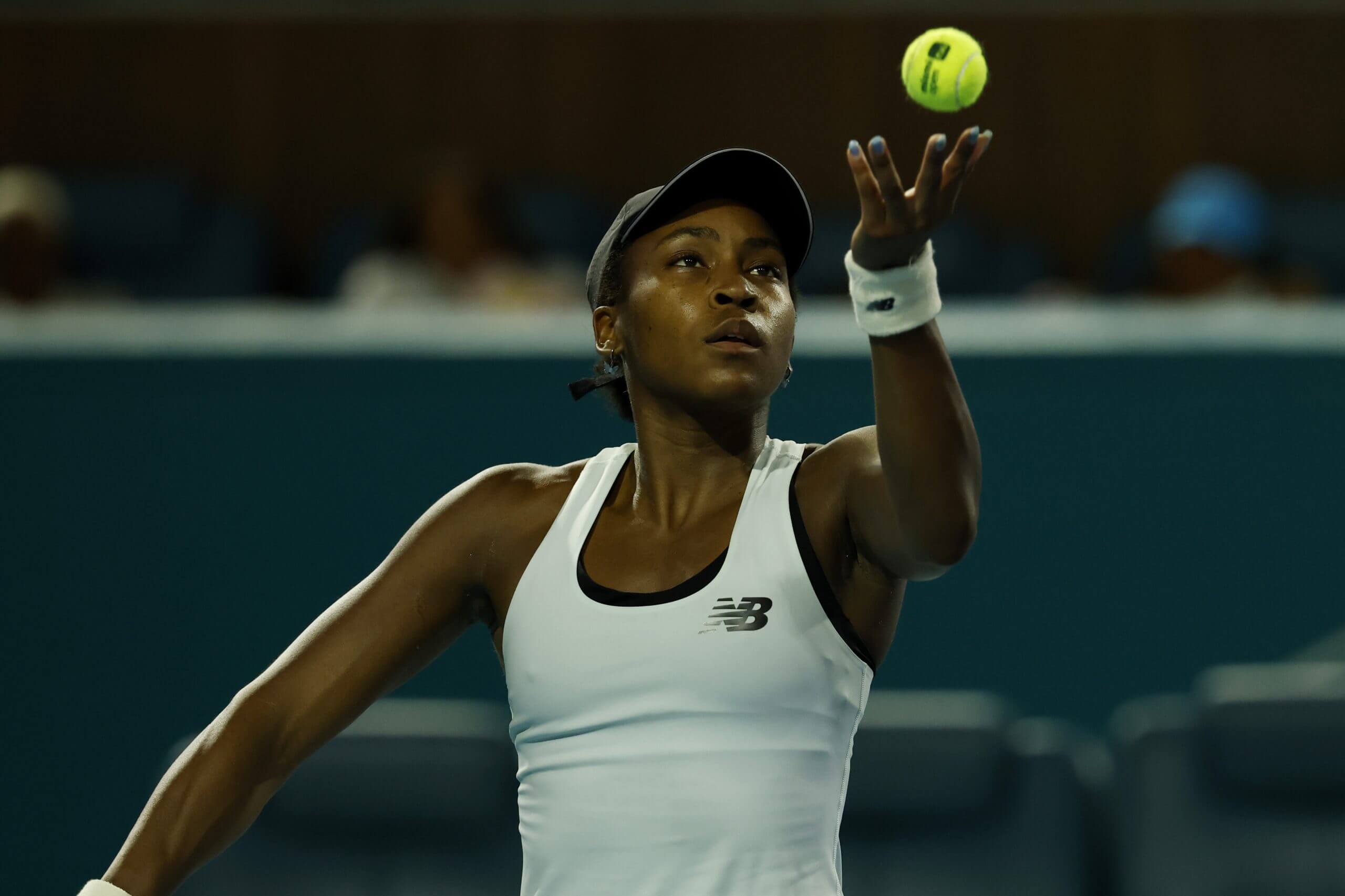
Live coverage of Day 1 of the 2026 French Open highlights a significant shift in tennis. Top players advocate for increased prize money and other reforms at Grand Slams. Their protest at the French Open marks a new chapter in this movement.
Players like Aryna Sabalenka and Coco Gauff, who earlier hinted at a possible boycott, are now leading efforts at Roland Garros. Although they won’t boycott this year, they plan to exit pre-tournament news conferences early, as reported by a confidential source. Initial plans for a 15-minute limit have been cut to ten minutes, alongside a brief video interview with the host broadcaster, according to Bounces.
The protest also includes a one-day refusal of media day interviews with French Open media and main rightsholders, including TNT Sports and Eurosport. This part of the protest aims to draw attention to players’ demands.
We regret the players’ decision, which impacts all stakeholders of the tournament: the media, broadcasters, the FFT, and the entire tennis community, all of whom follow each edition of Roland-Garros with great enthusiasm.
The French Tennis Federation (FFT) acknowledged the players’ importance and expressed willingness to engage in dialogue with them. A meeting on May 22, involving the FFT president Gilles Moretton, French Open director Amélie Mauresmo, and advisor Larry Scott, aims to address players’ concerns.
Future discussions with representatives from Wimbledon and the US Open are on the agenda. An All England Club spokesperson affirmed their openness to constructive dialogue with players.
The 15-minute protest symbolically represents the average 15 percent of Grand Slam revenues allocated to prize money. Players are calling for an increase to 22 percent, aligning with joint ATP and WTA Tour events. Many U.S. team sports set higher revenue shares, but tennis players, independent contractors, lack similar collective bargaining options.
The French Open’s 2026 prize pool rose by 9.5 percent to $72.3 million, equating to 15 percent of projected revenue. Other major tournaments have increased their prize pools without reaching the 22 percent benchmark.
This protest follows players’ previous efforts, including two letters to the majors. Signatories include WTA and ATP stars like Iga Świątek, Carlos Alcaraz, Sabalenka, Gauff, and Jannik Sinner. Players demand not only prize money changes but also improved welfare, representation, and a proposed Grand Slam Player Council.
The French Open’s qualifying events are underway, with main draws starting Sunday. Pre-tournament media activities are set for Friday, with remaining players engaging in press over the weekend.
Analysis from senior tennis writer Ava Wallace: This organized protest by tennis players is a notable development. While formally boycotting a Grand Slam poses challenges, players demonstrate effective collective action. The 15-minute media protest serves as a powerful reminder of the 15 percent revenue allocation issue.
Media information obtained from these conferences is crucial for various stakeholders, including broadcasters and the tournaments. Limiting interview time affects the media landscape. Players refusing additional interviews with rights holders indicate the seriousness of their stance.
Though some players prefer to skip media engagements, they recognize their personal brands are linked to media visibility during Grand Slam events. Agreeing to reduced media exposure signifies the critical nature of their concerns. With the swift shift from uncertainty around boycotting to unified action, players have taken a significant step forward in the ongoing conversation with Grand Slam authorities.