
Supreme Court Allows Discounted Advertising Rates for Party Committees
Political party committees can continue accessing discounted television and radio advertising rates. The Supreme Court handed Republican campaign organizations a victory ahead of the 2026 midterm elections. This order helps as campaigns gear up for the November midterm elections, potentially allowing party committees to stretch their advertising dollars further.
The decision follows a separate Supreme Court ruling removing limits on coordinated spending between political parties and candidates, according to the Associated Press. The dispute revolves around guidance issued by the Federal Communications Commission’s (FCC) Media Bureau in March. This guidance allows political party committees to qualify for the lowest advertising rates when purchasing broadcast ads in coordination with candidates.
Challenges and Dissent
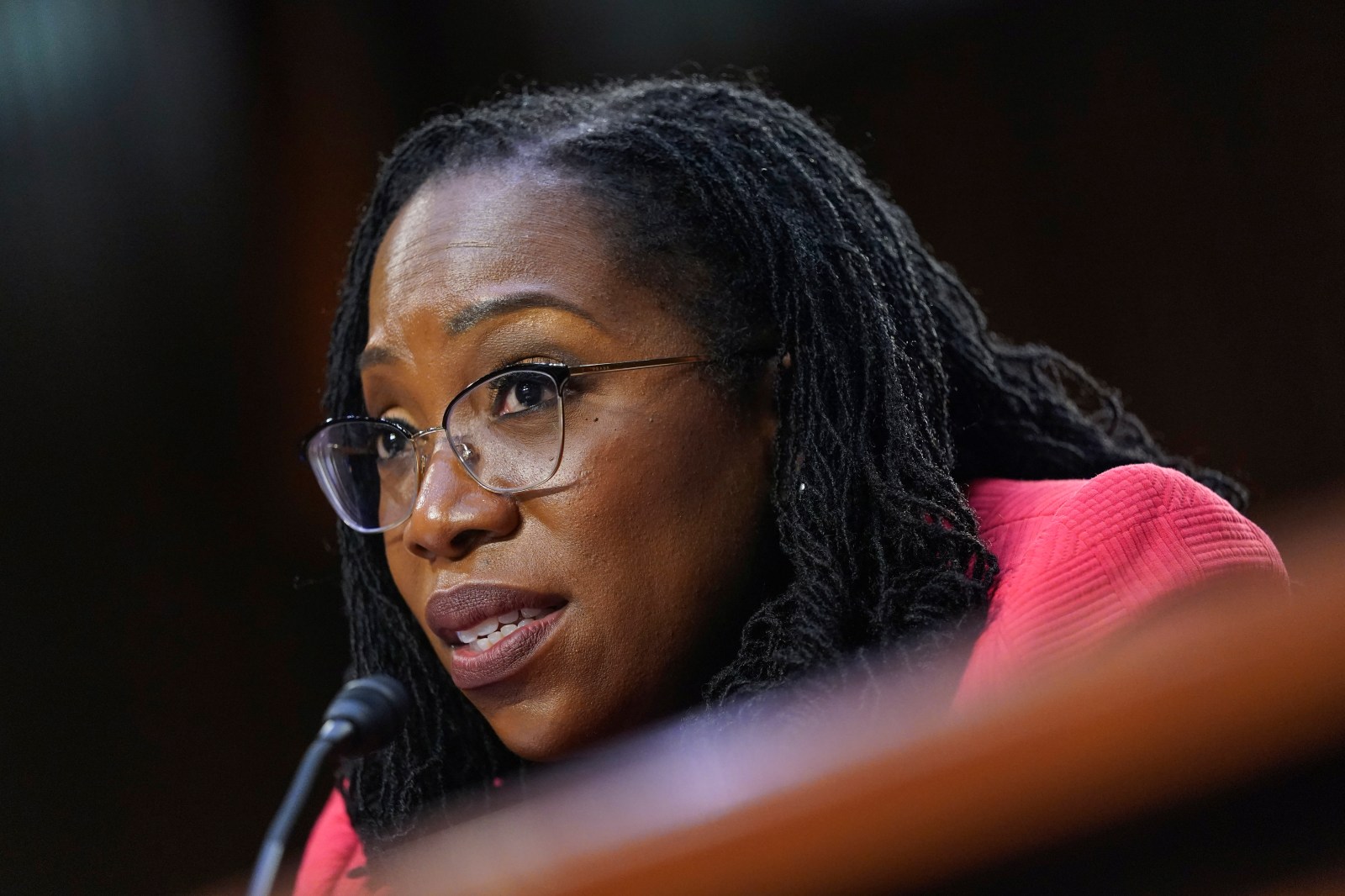
Democratic candidate and former Senator Sherrod Brown, alongside three others, challenged the policy. They argued that the discounted rates should only be available to legally qualified candidates. Justice Ketanji Brown Jackson, in her dissent, stated the FCC’s ongoing administrative process did not prevent judicial review. She emphasized that an agency cannot reserve the power to defeat judicial review through delay or inaction.
“I understand why the Supreme Court acted to prevent widespread operational confusion across the broadcast industry. But the Court’s stay still hands national party committees and deep-pocketed special interests a subsidy that Congress explicitly reserved for individual candidates.” – Former Palm Beach County State Attorney Dave Aronberg
Implications of the Court’s Order
The Fourth Circuit Court of Appeals had sided with challengers. Republican congressional campaign committees asked the Supreme Court to intervene. They argued they faced harm from losing access to discounted rates, as broadcasters began rescinding favorable pricing. The Supreme Court stated that party committees likely suffered irreparable harm absent a stay. Broadcasters were already rescinding favorable rates, and current and future rescissions would increase advertising costs for the party committees.
The Court’s action granted a stay, preventing irreparable harm, rather than resolving the underlying legal dispute over the FCC’s interpretation of the political advertising rules. Justice Jackson was the sole dissenter.
Advertising Spending in Campaigns
Competitive congressional candidates often spend millions on advertising during an election cycle. Statewide and presidential campaigns can spend tens or hundreds of millions on TV, digital, radio, and mail outreach.
Federal Election Commission (FEC) filings show the top three Democratic committees had roughly $136 million in cash on hand as of the end of July. This is less than half of the nearly $279 million held by major Republican committees. Democrats also reported about $17.9 million in debt, with the GOP reporting none.