
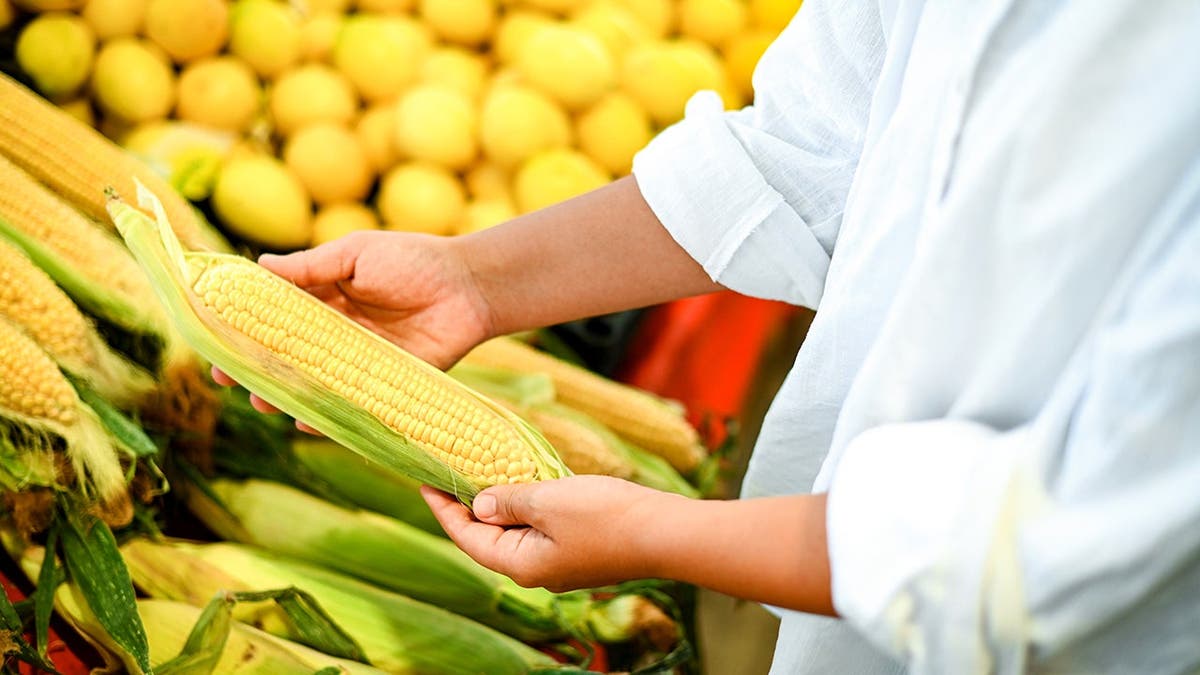
As fresh summer corn reaches grocery stores and farmers markets, a common question arises: should you shuck corn before purchasing? Shucking involves removing the outer husks and corn silk to access the kernels. Many shoppers shuck corn to check for quality and insects.
The Etiquette of Shucking Corn
Some stores provide trash bins near the corn display to encourage in-store shucking. Floridian etiquette expert Jacqueline Whitmore advises, “If you shuck it, buy it.” If the corn is unsatisfactory, alert a manager or discard it in the provided bin.
Partially shucked corn may not appeal to other shoppers, increasing food waste. According to Whitmore, if no bin is available, avoid shucking corn—it can become messy and unwelcome to other buyers.
Sanitation and Freshness
Shucking in-store could expose kernels to dirt and bacteria from hands and surfaces. The husks protect against these risks, as well as moisture loss. Shucking too early can lead to moisture evaporation and sugars turning into starch, reducing sweetness.
Corn husks also preserve freshness by shielding kernels from oxygen exposure.
Ohio farmer Lee Jones explains that discarding shucked corn debris is wasteful. “Corn’s iconic,” he says, “and chefs find ways to utilize every part from stalk to cob.” Husk, for instance, is used in teas, soups, and grilling wraps.
Corn Quality Assessment
On Reddit, users often share experiences about examining corn before buying it. Some peek under the husk to avoid purchasing flawed ears.
For a better assessment, experts suggest: compare weights, squeeze ears for juiciness, and check the firmness. Heavier corn usually retains more moisture, offering plump, sweet kernels.
Inspect the silk and husk for indicators of freshness. Light brown or golden silk suggests fresh corn, whereas black or dry silk signals staleness. Freshly harvested ears have tightly wrapped, bright green husks.
Avoid corn with holes, as these may indicate insect damage.
Storing Corn
If not consuming corn immediately, keep it cool and covered. Always wash produce to remove dirt, bacteria, and pesticide residues, advises Everyday Health.
Freelance writer Teresa Mull contributed to this report for Fox News Digital’s Lifestyle team.