
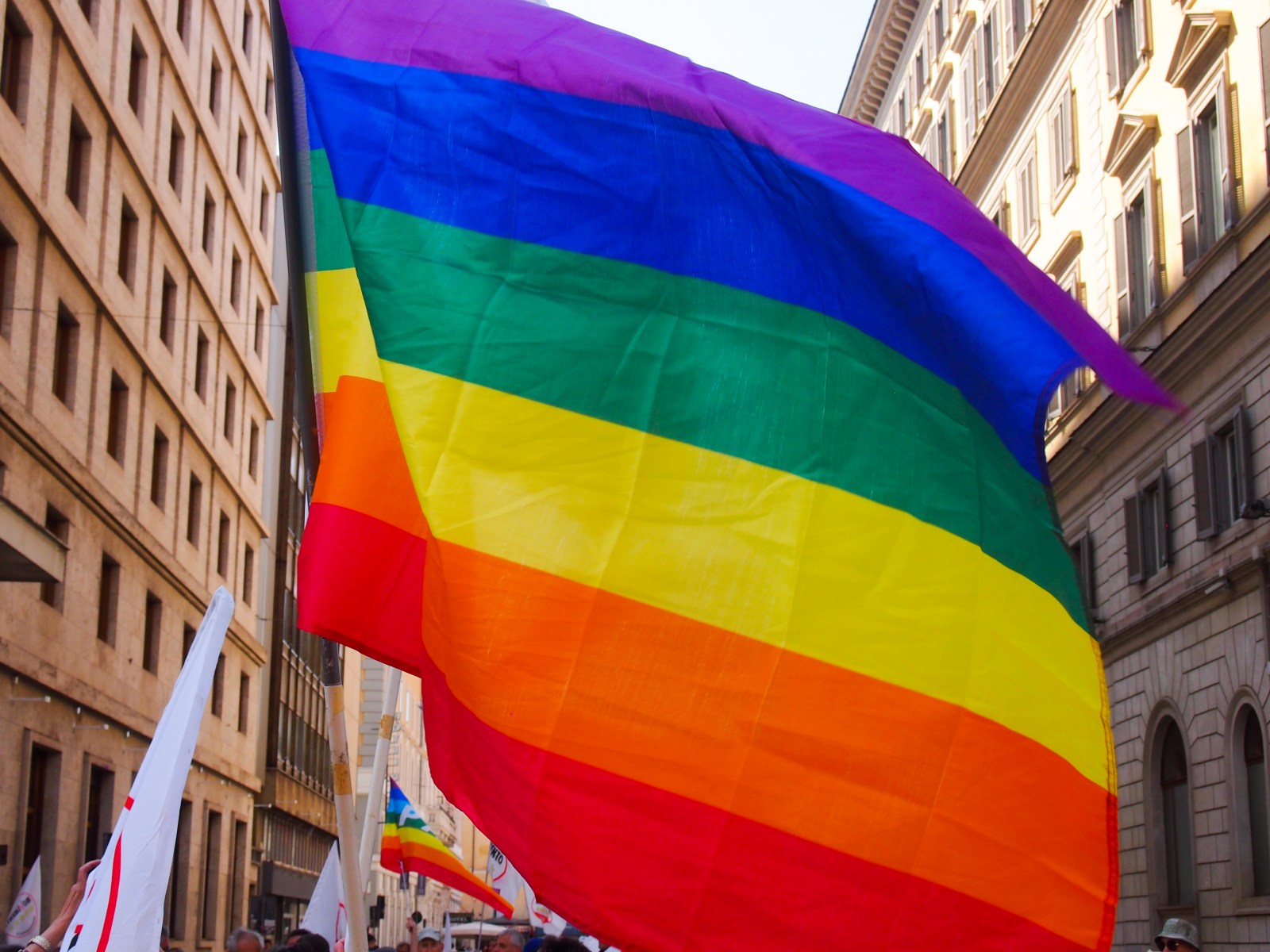
Recent Gallup poll data indicates a decline in support for same-sex marriage in the United States, a notable change after years of increasing acceptance. Approximately 65 percent of U.S. adults now support the legalization of same-sex marriage, down from the peak of 71 percent recorded in 2022 and 2023. This suggests a potential turning point in one of the most significant shifts in public opinion in modern U.S. history. After the Supreme Court’s 2015 decision legalizing same-sex marriage nationwide, support had appeared stable or growing. However, the latest figures show this upward trend has ceased, possibly indicating a period of stagnation or reversal.
Survey Insights
The Gallup Values and Beliefs survey, released during Pride Month, found 65 percent support for legal same-sex marriage, a decrease from 71 percent in 2022 and 2023. Additionally, 62 percent of respondents considered gay and lesbian relationships morally acceptable, marking the lowest level since 2016. The decline spans all political groups, though the extent varies.
Adam Cohen-Aslatei, CEO of the matchmaking firm Three Day Rule, attributes the changes more to shifting U.S. political landscapes than an actual dip in support. He suggests that people may still hold their beliefs but are more cautious about expressing them publicly. This phenomena often occurs during periods of heightened polarization or social pressure, where public and private sentiments might diverge.
The survey, conducted from May 1-17, 2026, included 1,001 adults, with a margin of error of plus or minus 4 percentage points.
Recent Trends and Historical Views
These findings disrupt a decades-long rise in approval. Past Gallup reports show support for same-sex marriage growing from 27 percent in 1996 to around 70 percent in recent years. Likewise, moral acceptance increased from about 40 percent in 2001 to a peak of 71 percent in 2022. This peak has since faltered, with experts unlikely to consider it a mere anomaly. Cohen-Aslatei observed a decrease in LGBTQ representation in media, affecting public perception and inclusion.
Political Affiliation Breakdown
Declines in support are observed across different political affiliations:
- Republicans: Support fell sharply to about 37 percent, with moral acceptance at 35 percent.
- Independents: Support is still high at 67 percent, though it has modestly declined.
- Democrats: A slight dip of about 1 point, with 87 percent continuing to support same-sex marriage.
The national decline is primarily driven by Republicans, although changes appear across all groups, albeit minimal among Democrats. Psychotherapist Nicholas Hardy connects these trends to political stances, emphasizing the conservative nature of traditional Republicans and the impact of current political environments.
Political Backlash
The poll coincides with Republican Representative Andy Ogles’ controversial post, stating that “homosexuality has no place in America,” which was later deleted. The post, coinciding with “Happy Nuclear Family Month,” faced strong criticism from LGBTQ advocates and fellow Republicans. Ogles issued an apology, citing a staff member’s mistake.
Future Implications
It remains uncertain if the decline in same-sex marriage support signals a longer-term change in public opinion. Although legally recognized nationwide, future surveys will illuminate whether sentiments stabilize or continue declining. Hardy underscores the influence of political polarization on social dynamics and cautions that prolonged trends may lead to restricted rights.