
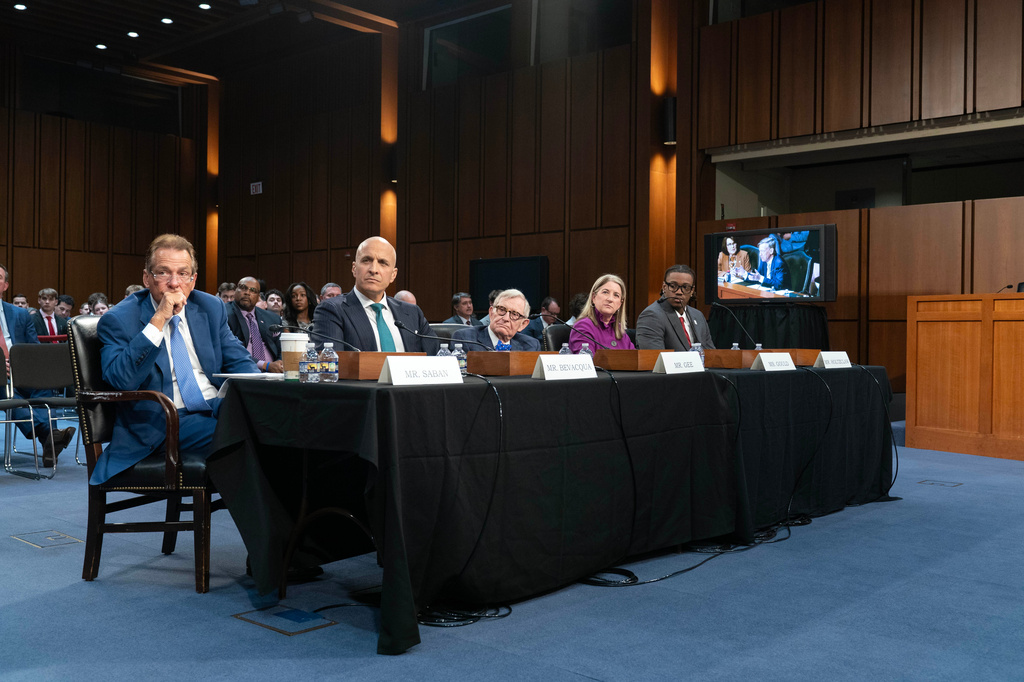
Prominent figures in college sports, including Nick Saban, Pete Bevacqua, Gordon Gee, Teresa Gould, and Lance Holtzclaw, testified before the Senate Committee on Commerce, Science, and Transportation. The hearing focused on issues affecting college athletics, particularly the proposal known as the Protect College Sports Act.
This act aims to address challenges in college sports by increasing revenue. A key component of the proposal is an antitrust exemption. This exemption would allow universities and conferences to sell media rights collectively, giving them leverage over broadcasters and streaming platforms. The goal is to stabilize the industry and protect opportunities in women’s and Olympic sports.
Financial Impact on Consumers
The proposal could lead to higher costs for consumers. Traditionally, broadcasters negotiate separately with major conferences like the Big Ten and SEC. But the exemption would centralize bargaining, driving up prices for must-watch games.
Broadcasters and streaming services are likely to pass these increased costs onto consumers. Sports fans and non-fans alike would face higher subscription prices or less favorable viewing arrangements. Congress should exercise caution, as centralized control of television rights in college football has been problematic before. The Supreme Court’s 1984 decision in NCAA v. Board of Regents demonstrated that limiting televised games restricted competition.
Expenditure Challenges
The core issue in college sports isn’t revenue shortage but spending restraint. Major athletic departments spend new earnings to gain competitive edges. Increased media revenue would likely contribute to this trend.
Financial discipline is lacking, causing funds to lead to facility upgrades, higher coaching salaries, and ambitious recruiting. Any temporary relief from additional revenue would soon be nullified by rivals spending more.
Federal Framework Needed
Congress can establish rules for athlete compensation, transfers, and recruiting. Transparency and discipline should be mandated to preserve sports opportunities. An antitrust exemption shouldn’t be granted, allowing college sports to raise consumer costs while avoiding expenditure management.
Lawmakers need to question the effectiveness of increased revenue in solving spending issues. Professor Nathaniel Grow of Indiana University’s Kelley School of Business cautions against the exemption and advocates for a structured approach.