
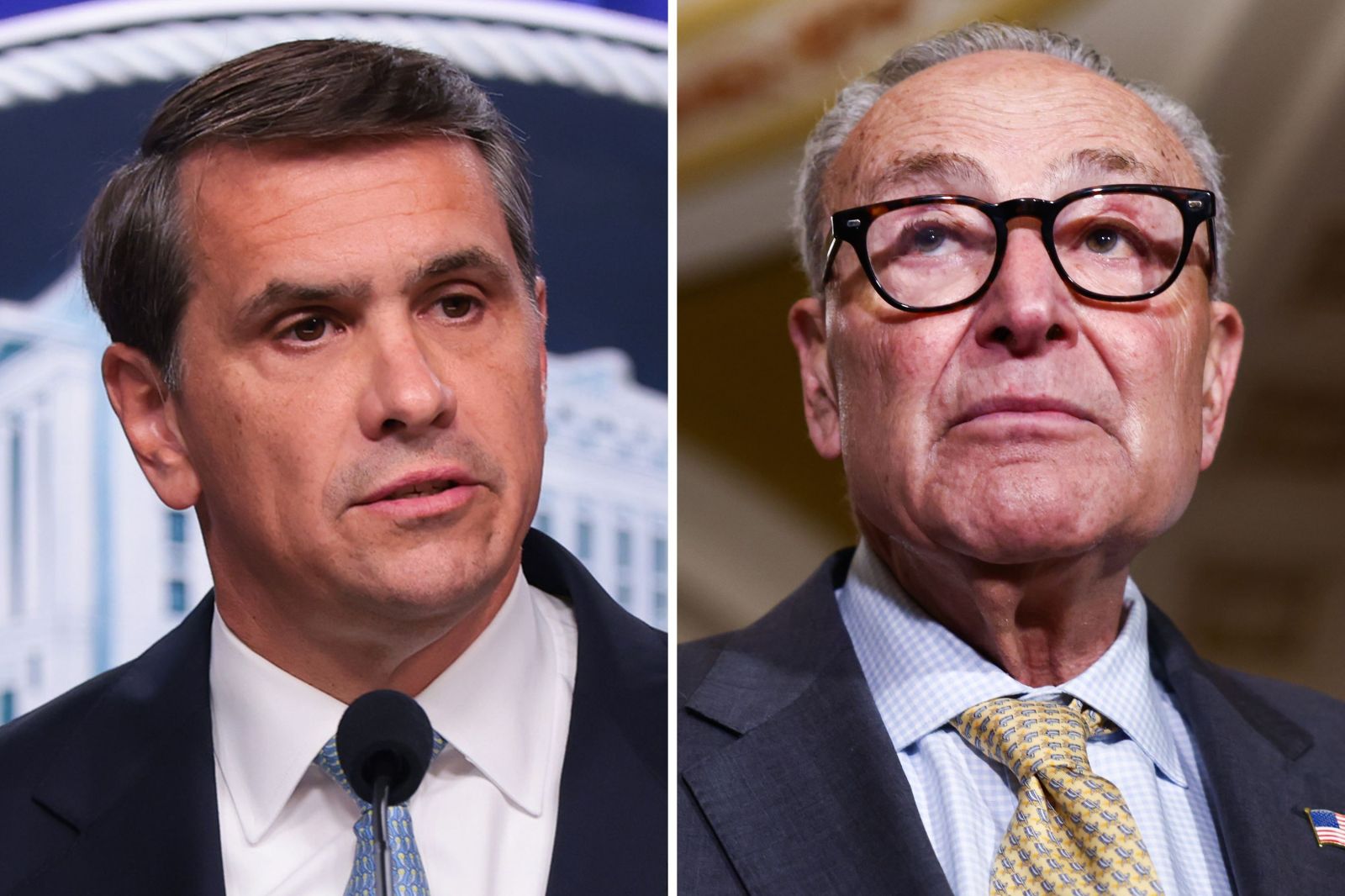
The Senate’s confirmation of Todd Blanche as attorney general, marked by a narrow 50-49 vote, has sparked significant criticism from Democrats and watchdog groups. Senate Minority Leader Chuck Schumer criticized Republicans, accusing them of providing President Donald Trump an opportunity to further his alleged corruption. Blanche, a former personal attorney for Trump, gained support from key Republicans like Louisiana Senator Bill Cassidy, which proved crucial after Senators Susan Collins and Lisa Murkowski voiced their opposition.
Blanche’s confirmation solidifies his position at the helm of the Justice Department following months of debate over his management of issues including Jeffrey Epstein files and a proposed $1.8 billion anti-weaponization fund. Previously serving as acting attorney general, Blanche’s tenure began after Pam Bondi was dismissed by Trump due to dissatisfaction with the handling of Epstein-related records. As attorney general, his decisions have stirred controversy, especially regarding his potential independence from the White House.
Reactions from Democratic Lawmakers
Democratic leaders have voiced concerns about Blanche’s ability to separate Justice Department duties from the interests of the president. Schumer argued that having Trump’s personal attorney in the position undermines the department’s independence. “If you want to end corruption, you can’t appoint the president’s personal lawyer as Attorney General,” Schumer stated, reflecting on Blanche’s previous career choices.
Several Democrats, including Senator Chris Coons, expressed similar sentiments. On social media, Coons questioned Blanche’s commitment to the public, stating that his loyalty lies with protecting Trump’s allies. Former House Speaker Nancy Pelosi also objected to the confirmation process, noting its timing during late-night hours and emphasizing the need for a Justice Department focused on the rule of law.
New Mexico Senator Ben Ray Luján highlighted concerns related to Epstein case management. “Survivors of Epstein’s crimes deserve transparency, not protection of powerful individuals,” Luján asserted, doubting Blanche’s capacity to prioritize justice over political interests.
Watchdog Group Criticisms
Besides congressional disapproval, several watchdog organizations have criticized Blanche’s confirmation. Donald K. Sherman from Citizens for Responsibility and Ethics in Washington (CREW) accused Senate Republicans of failing to act as a constitutional check on the executive. According to Sherman, the Senate’s decision facilitates a Justice Department serving Trump’s interests rather than the populace. CREW, alongside other advocacy groups, had vocally opposed Blanche’s nomination.
Key Vote by Bill Cassidy
The confirmation’s outcome was uncertain due to debates over Blanche’s role in decisions affecting Trump allies. After consultations with Blanche and former Attorney General William Barr, Senator Cassidy expressed confidence in Blanche’s ability to manage the department effectively, emphasizing the importance of a Senate-confirmed leader. “All considered, I will vote for Mr. Blanche,” Cassidy stated, suggesting that Blanche could independently challenge the president when necessary.
Perspectives from Blanche and Supporters
In response to the criticisms, Blanche dismissed allegations regarding his potential bias towards Trump. He expressed gratitude for the trust placed in him to lead the department and reiterated his commitment to justice. Supporters, including Senate Judiciary Committee Chairman Chuck Grassley, have vouched for Blanche’s experience, covering roles as both federal prosecutor and defense attorney, suggesting he is well-suited for the position.
While some argue Blanche’s background provides leverage against undue presidential influence, critics remain concerned about maintaining Justice Department independence. The confirmation, with its contentious circumstances, raises ongoing discussions about balancing executive relationships with legal impartiality.