
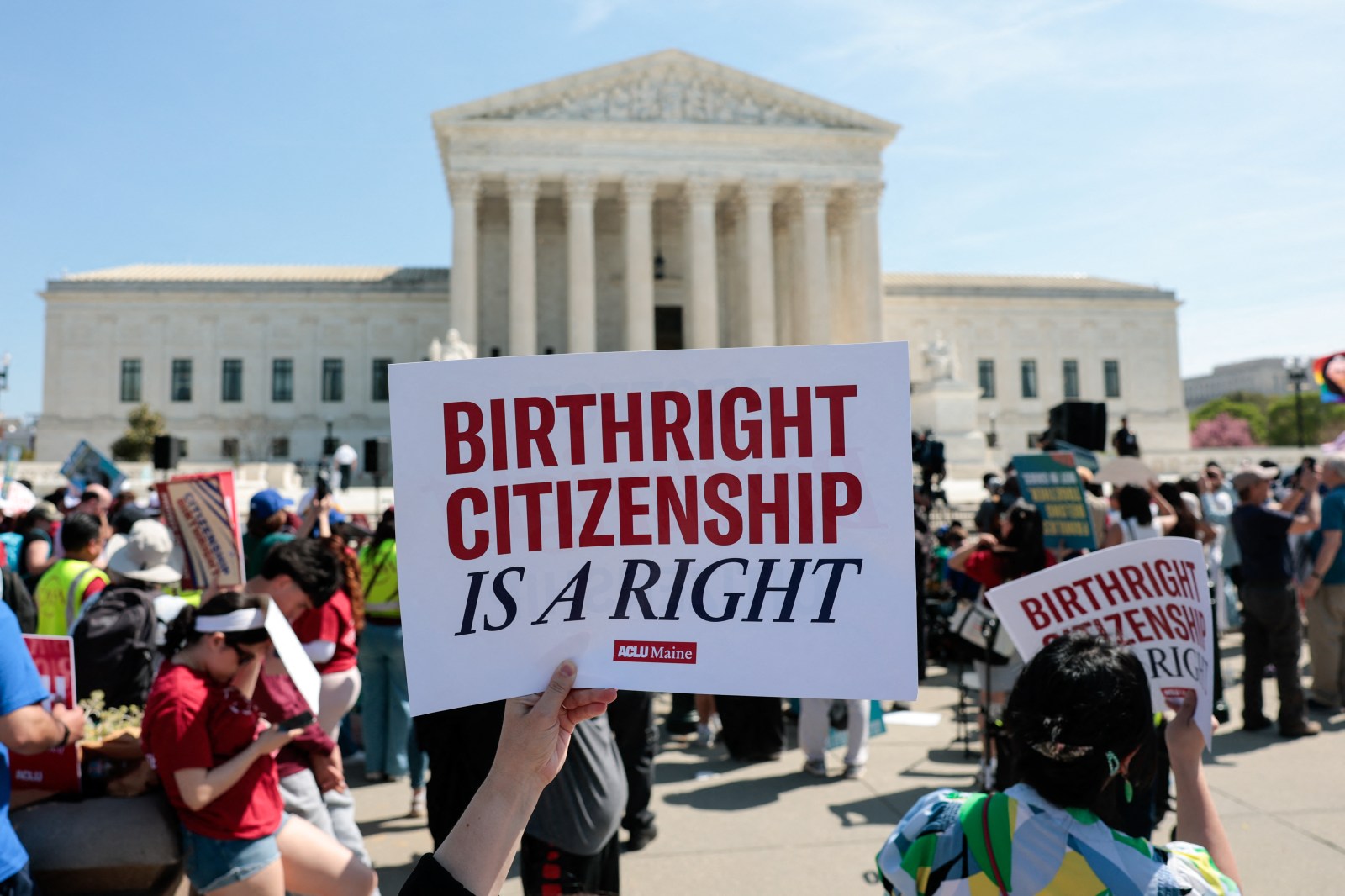
A newly introduced Senate bill, known as the Birth Tourism Elimination Act, aims to tighten regulations on “birth tourism.” Proposed by Republican Senator Tim Scott of South Carolina, this legislation would amend federal immigration laws. Its primary focus is on pregnant applicants for U.S. visitor visas, presuming they intend to travel to the U.S. to secure American citizenship for their children.
Understanding Birth Tourism
Birth tourism refers to foreign nationals temporarily traveling to the U.S. to give birth, ensuring their child receives U.S. citizenship before returning to their home country. This practice has been prevalent amid efforts by Republicans to restrict it and narrow birthright citizenship, which generally grants citizenship to anyone born on U.S. soil, regardless of the parents’ immigration status.
Following the Supreme Court decision that struck down Trump’s attempt to limit birthright citizenship, the GOP has continued its push. House Republicans proposed ending automatic citizenship for many future births in U.S. territories. Concurrently, the Department of Homeland Security aims to restrict U.S.-born children’s citizenship tied to foreign government employees. Secretary of State Marco Rubio has introduced visa restrictions for those involved in commercial birth tourism networks.
Key Provisions of the Bill
The bill’s significant measures include evaluation criteria for visa applications from pregnant women. Applicants for B nonimmigrant visas would face scrutiny if a consular officer reasonably believes they intend to give birth during their U.S. stay. These applicants would be presumed to travel primarily for their child’s citizenship. They can, however, rebut this presumption by presenting a legitimate reason for giving birth in the U.S. other than obtaining citizenship.
Those applying for B visas related to medical treatment must also fulfill specific requirements. They must demonstrate a legitimate reason for treatment, confirm a U.S. medical provider’s agreement to provide it, and provide estimated duration and costs. Additionally, applicants need to prove they possess lawful means to cover medical and related expenses.
Senator Scott articulated that American citizenship should not be purchasable. He emphasized the legislation’s intent to prevent temporary travel programs from being exploited for citizenship acquisition.
Scott’s proposal does not seek to eliminate birthright citizenship nor change citizenship status for children born in the U.S. Instead, the initiative targets the immigration process preceding foreign travelers’ entry and the businesses facilitating birth tourism. It extends beyond the initial visa application process.
Immigration and Inadmissibility Provisions
Under this plan, both consular officers and U.S. Customs and Border Protection officers can deny admission if they believe a traveler’s primary purpose concerns citizenship acquisition by giving birth in the U.S. Immigration officers suspecting foreign nationals falling under birth-tourism inadmissibility provisions must refer them for secondary inspection.
The bill proposed adding birth-tourism inadmissibility grounds to the Immigration and Nationality Act’s expedited-removal provisions. It aims to prevent misuse of the Visa Waiver Program and the Guam and Northern Mariana Islands waiver program when child citizenship is the primary travel purpose.
The legislation additionally curtails humanitarian parole for foreign nationals seeking to enter or stay primarily for citizenship purposes. However, exceptions apply for those returning on advance parole based on pending adjustment-of-status applications.
Exemptions exist for legitimate medical childbirth treatment cases, where citizenship is not the primary intent. The proposal does not apply to those with unborn children being biological offspring of U.S. citizens, lawful permanent residents, or individuals granted permanent resident status as refugees or asylees.
Expedited removal provisions exclude women giving birth in the U.S. when the birth coincides with lawful admission. Scott’s proposal does not impose restrictions across all visa categories. Pregnancy or childbirth related to employment, education, or alternate legitimate purposes fall outside this legislation’s scope.
Addressing Birth-Tourism Businesses
The bill also targets those facilitating birth tourism. It seeks amendments to federal criminal laws covering individuals knowingly involved in organizing, advertising, profiting from, or aiding in birth tourism activities.
Federal investigations into businesses serving Chinese nationals have provided some basis for this legislation. One company, You Win USA Vacation Services Corp, reportedly assisted over 500 Chinese customers using 20 apartments in California, charging between $40,000 and $80,000.
The legislation mandates reporting visa denials, parole denials, investigations, prosecutions, removals, and other enforcement actions to congressional committees. These reports require coordination between the Department of Homeland Security and the State Department.
Executive Actions Against Birth Tourism
The legislation coincides with past executive actions by President Donald Trump, focused on curbing birth tourism exploitation. His executive order established federal policy against nonimmigrant visa classification misuse for birth tourism. It also empowered state and homeland security secretaries to take measures potentially involving visa denials, entry denial, removal, or actions against facilitators.
The Migration Policy Institute pointed out Centers for Disease Control and Prevention data, noting 9,576 babies born in the U.S. and its territories in 2024, to mothers with foreign addresses. This accounts for about 0.26 percent of roughly 3.7 million births annually. MPI acknowledged that the data serves as a proxy for birth tourism measures. The estimates suggest 22,000 to 26,000 babies born through birth tourism annually.
Scott’s proposal reflects ongoing efforts to solidify executive policy into federal legal provisions. The bill explicitly seeks to enshrine the State Department’s 2020 rule that restricted B visitor visa use, primarily for childbirth in the U.S. for citizenship acquisition.
Referred to the Senate Judiciary Committee, the Senate bill lacked cosponsors as of September 28. The House counterpart, introduced by Republican Representative Richard McCormick of Georgia, gathered support from Representatives Ken Calvert of California and Randy Fine of Florida as initial cosponsors. If Congress approves it and the President signs it into law, the measure could significantly restrict birth tourism in the U.S.