
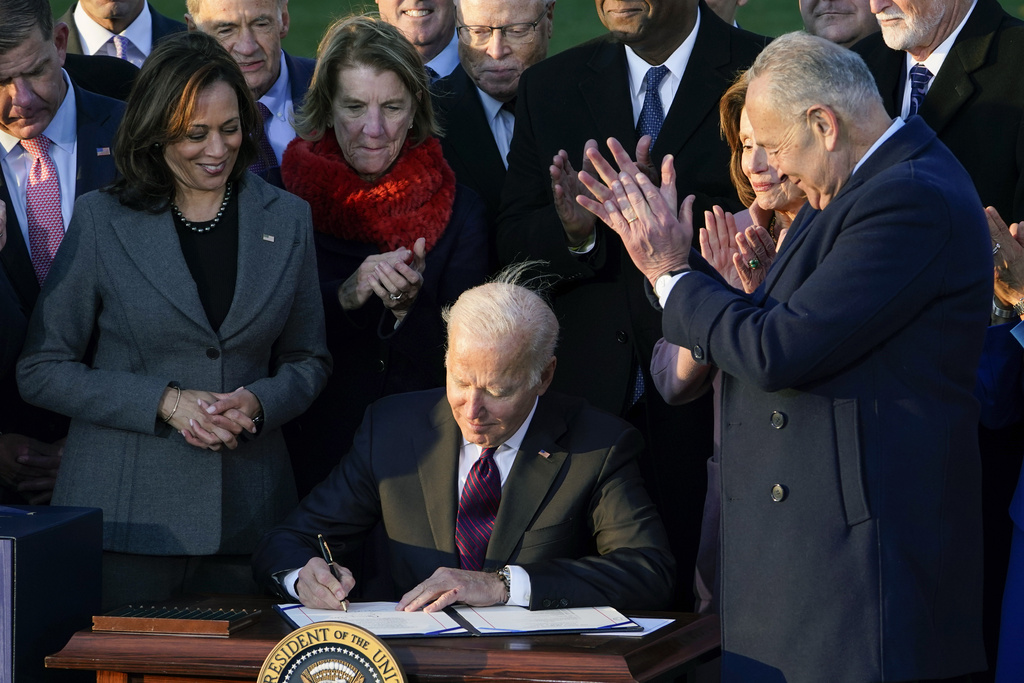
President Joe Biden signed a $1.2 trillion bipartisan infrastructure bill into law on November 15, 2021. This legislation aims to support renewable energy access in rural U.S. areas, especially for Native American tribes. On February 27, 2024, the Biden administration plans to announce 17 related projects, funded by this law, amounting to $366 million.
American families face increasing challenges with rising prices. Grocery expenses are climbing, gasoline costs exceed $4 per gallon, and energy bills are growing. Medical expenses and housing costs also rise, outpacing wage growth. Both political parties aim to focus the 2026 election on affordability issues. However, Republicans face criticism for policies perceived to exacerbate these problems. These include decisions related to oil pricing, spending, and various cuts that impact family expenses and healthcare affordability.
Critics argue that political cynicism often prevails, suggesting Washington fails to aid working families. However, Democrats demonstrated economic effectiveness in Congress four years ago. In August 2022, Congress passed the CHIPS and Science Act along with the Inflation Reduction Act. These laws aimed to boost manufacturing, improve supply chains, manage energy prices, reduce healthcare costs, and ensure large corporations pay fair taxes.
The Democratic-led 117th Congress (2021-2023) was notably productive, especially concerning economic and affordability reforms. In November 2021, Democrats achieved significant bipartisan success with the infrastructure law. This law allocates over half a trillion dollars for job creation, upgrading essential systems, and making internet services more affordable in underserved areas.
Despite difficulties and tight voting margins, effective governance prevailed during this period. The ‘Make It In America’ plan facilitated job creation, cost reduction for families, and infrastructure development to support economic growth. This proactive approach is vital for working families affected by high prices. Engagement and participation in political processes are essential.
As Steny H. Hoyer retires after a long congressional career, he reflects on the progress achieved. While challenges remain, he emphasizes that productive governance is possible. Leaders must focus on consensus-building and making difficult decisions to impact lives positively. Future leaders should aim to meet American expectations through cooperation and dedication, ensuring effective governance continues.