
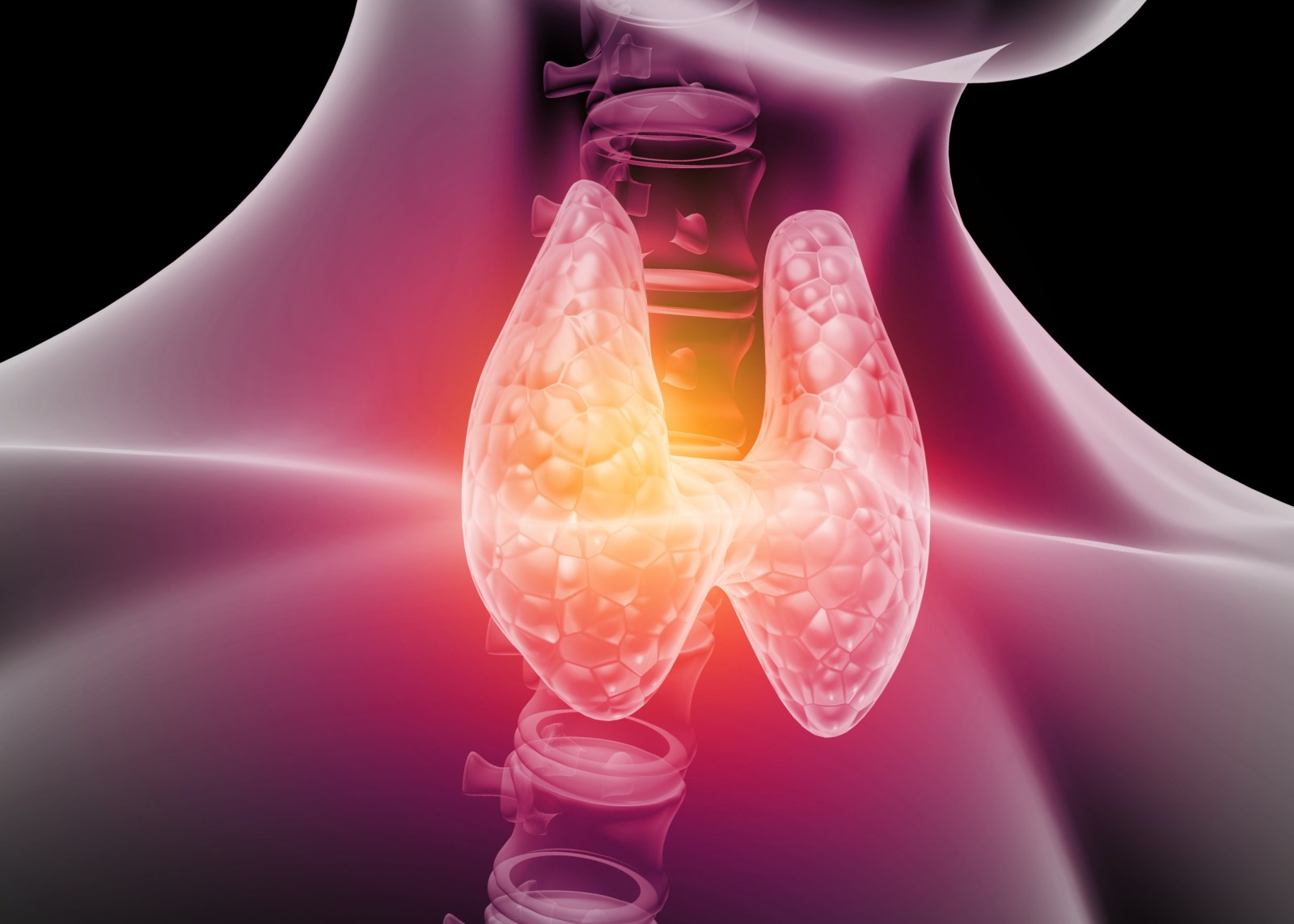
An environmental scientist in Tallahassee, Florida, Andrea Pugh-Kelley, was diagnosed with a rare form of thyroid cancer after attending a routine gynecological appointment. Despite considering skipping the appointment, her decision to go proved crucial. During the checkup, her gynecologist conducted a thorough examination, including a neck check, which led to a recommendation for further testing.
Pugh-Kelley shared with Newsweek, “I never noticed anything unusual with my thyroid.” The gynecologist suggested an ultrasound and thyroid panel after suspecting a swollen nodule and thyroiditis. As a research scientist, Pugh-Kelley explored the possibilities immediately.
Pugh-Kelley was diagnosed with oncocytic thyroid cancer, known as Hurthle cell carcinoma, a form that typically remains asymptomatic until tumors grow large enough to cause issues in the body.
The Cleveland Clinic identifies this aggressive cancer usually during routine checks when a healthcare provider detects a lump on the thyroid. Symptoms, when they do appear, include difficulty swallowing, painful lumps below the Adam’s apple, swollen lymph nodes, fatigue, and weight loss. Due to her previous dissatisfaction with care from other practitioners, this visit was her first with the regular gynecologist since giving birth.
Once aware of her condition, Pugh-Kelley noted “discomfort when swallowing” and an increasingly raspy voice. Her tumor’s rapid growth was evident to all doctors she consulted, despite her previous unnoticed symptoms.
She underwent a robotic thyroidectomy, removing a solid Hurthle cell carcinoma tumor. While further tests on her thyroid levels are upcoming, additional treatment is not expected.
Pugh-Kelley acknowledged how easily she could have skipped the appointment: “Who genuinely enjoys going to the gynecologist?” She stressed the importance of self-care, especially for mothers focused more on their children’s needs.
Her biopsy revealed “prominent oncocytic change,” and her gynecologist was “very shocked” at the findings. Pugh-Kelley expressed gratitude toward her thorough gynecologist, encouraging others to schedule comprehensive medical appointments.
“Specialists are trained to look for things that you may not even know to look for,” she said. Patients should slow their doctor’s appointments down, ask questions, and seek second opinions when necessary.
Black women face higher risks of advanced thyroid disease than white women, despite a lower occurrence. Pugh-Kelley emphasized racial disparities in thyroid diagnosis and treatment, highlighting the need for equity in thyroid disease care.
The American Cancer Society states thyroid cancer occurs nearly three times more often in women than men but is about 50% less frequent in Black individuals compared to other groups.
Pugh-Kelley urged physicians to take extra care: “Taking the extra minute, asking the extra question, or looking a little closer really matters.” Her gynecologist’s diligence altered her life’s trajectory.
The story ends with advice for patients and a call to contact Newsweek editors for concerns about health issues at [email protected]. Experts can assist, and stories may feature in Newsweek.