
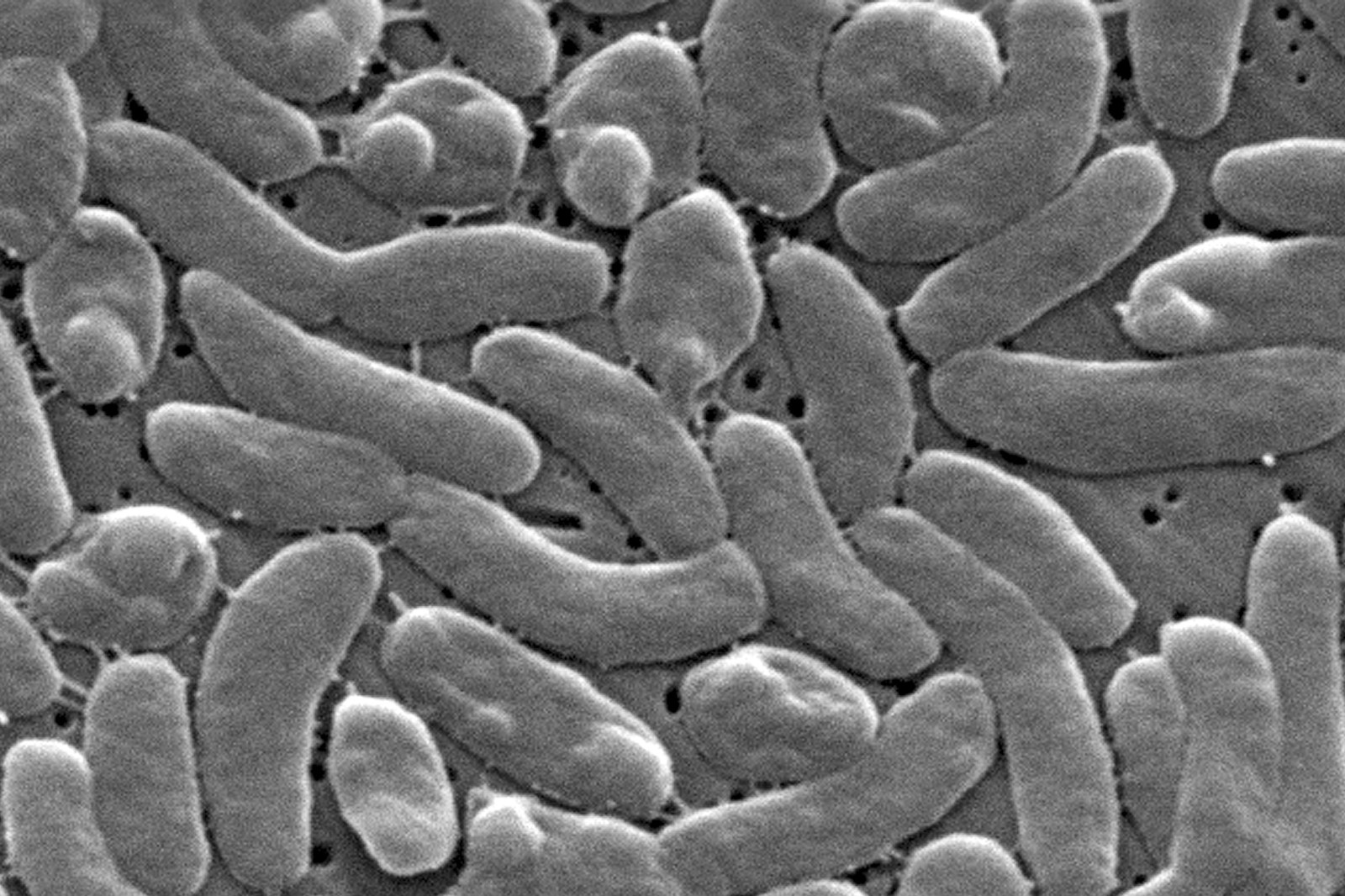
Surge in Vibrio vulnificus Cases
This year, six individuals have died after contracting Vibrio vulnificus, a bacterium referred to as ‘flesh-eating’. These deaths occurred in Louisiana and Florida, with warnings spreading across various states.
Current Situation in Louisiana
The Louisiana Department of Health reports nine cases of Vibrio vulnificus in 2026. All patients required hospitalization, and five succumbed to the illness. Historically, the state averages seven cases and one death annually by this time.
The infections predominantly involved seawater exposure through open wounds, coupled with underlying health conditions in the patients. Officials recommend avoiding contact with saltwater or brackish water if one has open wounds, especially during warmer months when the bacterium thrives.
Florida’s Context
Florida has documented 12 Vibrio vulnificus cases and one death this year. The death involved a Palm Beach County resident and marked the state’s first fatality of 2026 linked to the bacterium.
Vibrio vulnificus thrives naturally in coastal waters, with increased presence from May to October as water temperatures rise. Infection risk escalates if open wounds contact such waters or if consuming raw or undercooked seafood like oysters.
Nature of the Infection
Termed ‘flesh-eating’, the bacterium can cause necrotizing fasciitis, leading to tissue death around an open wound. According to the Centers for Disease Control and Prevention (CDC), one in five individuals infected with Vibrio vulnificus may die, sometimes within one to two days after symptoms appear.
Reports Beyond Louisiana and Florida
Infections have surfaced in other states, including Alabama and Connecticut. Alabama’s first case of 2026 was confirmed in Mobile County in April. Without extensive details on the patient or infection, the cause remains unspecified. Alabama had 16 cases in 2025, mainly from undercooked food or injuries in Gulf waters.
Connecticut observed a Vibrio vulnificus infection in February through contaminated oysters harvested out of state.
No connection exists between the cases reported in various states.
Understanding Vibrio Vulnificus
Vibrio vulnificus is part of the Vibrio family but is distinct from Vibrio cholerae, which causes cholera. It does not transmit between individuals, as stated by the CDC.
Annually, 150 to 200 Vibrio vulnificus cases arise in the U.S., posing significant risk of life-threatening infections if untreated.
Identifying At-Risk Populations
While anyone might get infected, certain groups face greater risks. These include individuals with liver disease, cancer, diabetes, HIV, thalassemia, or those on immune-suppressing treatment. Recent stomach surgeries or medication lowering stomach acid also heighten vulnerability.
Recognizing Symptoms
Symptoms vary by infection type. Gastrointestinal infections may lead to watery diarrhea, cramps, nausea, vomiting, fever, and chills. Wound infections manifest as redness, swelling, and fluid discharge.
Bloodstream infections can cause fever, low blood pressure, and blistering skin lesions.
The CDC urges immediate medical attention if a Vibrio infection is suspected and prompts individuals to inform healthcare providers of any saltwater contact or raw seafood consumption.
Treatment Approaches
Most intestinal infections resolve without antibiotics, although fluid replacement is advised. Severe cases may require antibiotics, while serious wound infections might necessitate surgery to excise affected tissue. Early intervention remains critical for survival.