
Many families across the country engage in the tradition of saying grace before meals. They choose to pray without considering the need to seek government permission. Daniel Grand, an Orthodox Jew from University Heights, Ohio, found himself caught in a legal battle over this seemingly simple act.
Grand is committed to praying three times a day with a minyan, which requires at least ten Jewish men. This becomes particularly important on the Sabbath and Jewish holy days when travel is restricted. A few years ago, Grand hosted about 12 friends for prayer at his home. Unfortunately, this peaceful gathering drew unwanted attention, leading to a letter from his city demanding he cease using his home as a religious assembly place.
In compliance, Grand applied for a special-use permit that the city demanded for worship in residential areas. However, his efforts met resistance. Protests emerged, including statements opposing the Jewish presence in the neighborhood. Amidst heckling and delays by the city’s zoning commission, Grand withdrew his permit application.
The city didn’t stop there. They encouraged his neighbors to report any gatherings at his home and even sent squad cars for surveillance. Grand also faced unfounded housing code violations and withdrawal of services like garbage collection. The financial implications were severe, with his occupancy certificate and tax abatements withheld, costing him significantly.
A permit approval would force Grand to convert his home into a synagogue, conflicting with zoning laws that prohibit residing in commercial places of worship. This paradox meant he couldn’t practice his faith at home without losing it as his residence.
Seeking judicial relief, Grand filed a lawsuit, represented by Orrick, Herrington & Sutcliffe LLP alongside the Alliance Defending Freedom. The legal challenge highlights a major divide among federal appeals courts. While the 1st and 11th Circuits allow court access as soon as rights are violated, the 3rd, 9th, and 6th Circuits, impacting Grand, require exhausting the permitting process first.
If Grand resided in cities like Boston or Atlanta, his constitutional rights might have already had a federal court decision. Instead, in places like Philadelphia, Seattle, or Cleveland, procedural hurdles block immediate court intervention. The frequency of such cases shows that this issue of religious practice under threat is widespread.
Notably, had Grand hosted a poker night or book club, special permits would likely not be necessary, illustrating the discriminatory application of zoning laws in matters of faith. The fundamental right to religious freedom is at stake, as state actions reflect a broader playbook against religious gatherings nationwide. Such measures question the constitutional protection of faith as a liberty instead of a manageable issue.
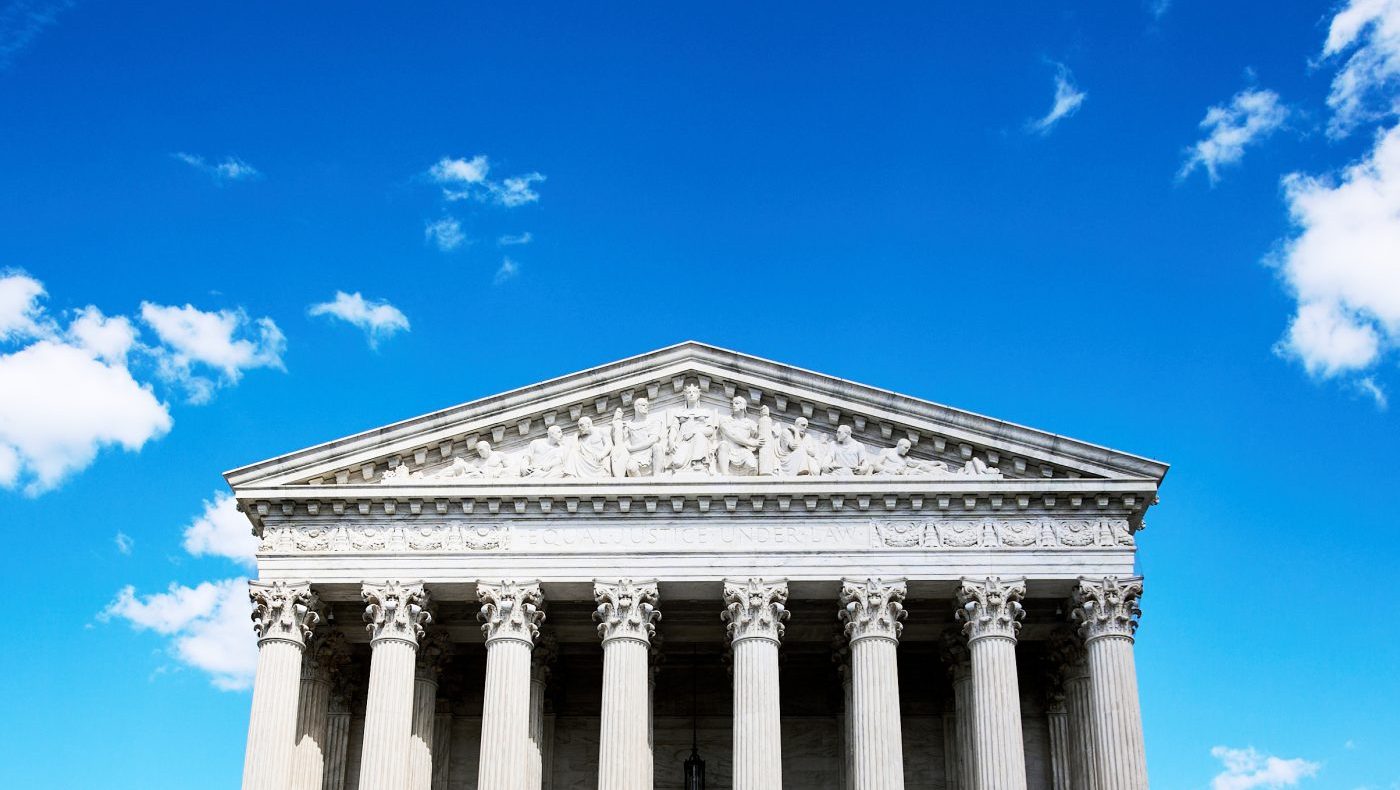
This situation underscores the pressing need for Supreme Court intervention. A coherent ruling is essential to ensure consistent access to federal judicial review when constitutional rights are at risk. Without this, individuals like Grand face bureaucratic barriers simply for practicing their faith.