
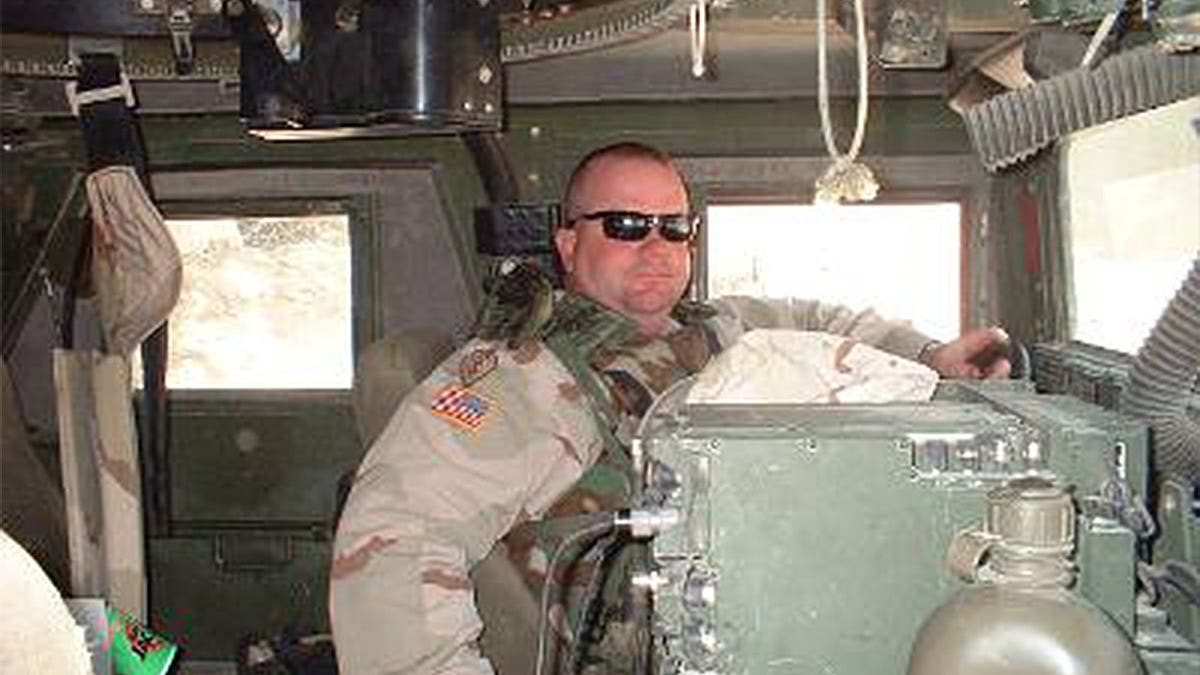
John Byrnes was swimming in a pool beneath Hunter College in Manhattan on the morning of September 11, 2001, when he stepped outside for coffee and heard sirens blaring down Lexington Avenue. After learning that a plane had struck the World Trade Center, he saw the North Tower collapse on a campus television and immediately headed toward his National Guard armory. Byrnes spent the following two weeks helping secure Ground Zero and later, years in Iraq and Afghanistan.
Each of the veterans who spoke with Fox News Digital ahead of the 25th anniversary of 9/11 remembers where they were when they learned of the attacks — and how that day changed their lives and service. Some were already in uniform; others, including a successful businessman and a teenager who watched the events unfold on television at school, felt compelled to enlist.
Chris Hoff, reflecting on his experience, distinguishes between the decisions post-9/11, such as going to Afghanistan as necessary while viewing the choice to invade Iraq differently. He emphasizes that the prolonged stay in Afghanistan was unfortunate but linked to decisions made that day. Hoff returned to service after watching the towers fall, eventually deploying twice to Afghanistan. His second deployment ended his military career due to multiple concussions, leading him to connect with the Wounded Warrior Project and pursue equine therapy to aid recovery.
“If I can help just one soldier… get help,” Hoff said, “it’s okay to get help. It truly is. I’m glad I did.”
Congressman Troy Downing, R-Mont., recalls learning of the attacks while moose hunting in remote Alaska and without prior military service, decided to enlist in the Air National Guard. He reflects without regret on his service despite disagreeing with the handling of the withdrawal under President Joe Biden.
Brandon Newberry, 16 at the time, joined the Marine Corps believing it would put him at the forefront of defending his country. He deployed to Iraq in 2007 and served multiple tours in Afghanistan, witnessing societal changes due to U.S. presence. He expresses concern about the withdrawal’s impact.
Michael Matthews was already serving in the Army when the attacks happened, later deploying to Iraq and suffering severe injuries from an IED strike. He spent extensive time in the hospital and shifted his career focus to helping other veterans and community service.
The veterans express pride in their service along with frustration about extended military involvement and questions about the wars’ lasting impacts. Byrnes highlights a key lesson — the necessity for leaders to recognize ineffective strategies.
In summary, 25 years after the attacks, veterans reflect on their experiences with nuanced views on the success of the missions and the personal sacrifices made.