
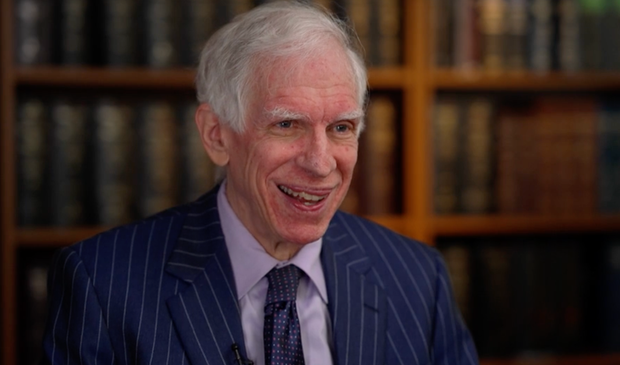
Justice Arthur Engoron shared his recollections of a pivotal moment in his career when he faced threats and challenges during the high-profile trial of Donald Trump. On a January morning in 2024, while walking his dog, Engoron noticed police activity near his home. Law enforcement informed him of a bomb threat targeting his residence, prompting him to evacuate with his family.
That same day, Engoron presided over a courtroom in a case involving Trump, marked by intense scenes and vocal disputes. The retired New York Supreme Court judge spoke to CBS News about the pressures facing judges today, highlighting the increased threats that led to requests for enhanced judicial security funding.
Despite receiving antisemitic and homophobic threats, including mail containing white powder, Engoron remained focused on his duties. He recounted receiving abuse at his gym but emphasized the importance of judicial composure. “Judges cannot fight back,” he stated.
During the trial, Trump and his supporters frequently criticized Engoron, calling him derogatory names. The judge did not respond to the insults but imposed a gag order when Trump targeted his staff. Engoron described his appreciation for his law clerks and the need to protect them.
Now working as senior counsel at a Manhattan law firm, Engoron reflected on the honor of being a judge and the unique visibility the Trump trial brought. He valued the public’s recognition and support despite criticism from Trump allies who accused him of media pandering.
Engoron’s courtroom was known for long speeches and diatribes from Trump’s defense team, which he allowed to ensure a complete record. He maintained focus in his written opinions, emphasizing the evidence of fraud.
Despite finding Trump and his associates liable for fraud and imposing significant financial penalties, an appeals court overturned the monetary sanctions. Both sides have appealed, and the case’s outcome remains pending. Engoron, reflecting on his legacy, expressed confidence in his even-handed rulings and viewed his work on the case as a positive contribution.