
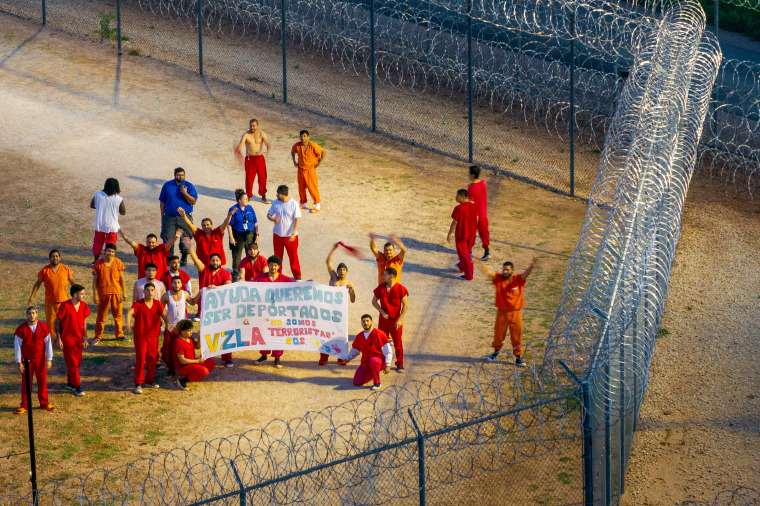
On Monday, new standards were released by Immigration and Customs Enforcement (ICE) affecting contractors running detention facilities. These changes allow increased use of artificial intelligence (AI) for communication with detainees and uphold paying detainees $1 per day for voluntary work. This revision aims to reduce the operational burden on for-profit contractors and jails.
Concerns Over Detainee Conditions
Despite the intention to ease operations, experts express concern over the wellbeing of the roughly 60,000 detainees held under ICE’s jurisdiction. Michelle Brane, a former Department of Homeland Security ombudsman, noted that the revised standards could worsen existing detention conditions, criticizing a lack of accountability and oversight. This change coincides with increased reports of deaths and accusations of neglect within these facilities.
ICE’s budget was significantly boosted, comprising a major portion of a $70 billion immigration enforcement bill. Despite increased funding, the conditions for detainees remain contentious.
“100% it’s going to result in deterioration of already problematic conditions of detention.” – Michelle Brane
AI in Communication
The new standards permit the use of AI tools for noncritical communication with detainees. This includes machine-learning-based translation for everyday interactions. Some experts, like Dr. Homer Venters, warn that relying on AI for grievances or healthcare assessments might be risky, especially in urgent situations.
Operational and Legal Revisions
The policy changes also include a rule that prevents facilities from refusing detainees assigned by ICE, even if they cannot provide adequate care immediately. A process has been set for facilities to request transfers for detainees they cannot accommodate, although delays are possible.
For-profit operators benefit from clarification that detainees in voluntary work programs are not employees, shielding them from wage-based lawsuits. Previously, lawsuits sought higher compensation than the standard $1 per day payment. Facilities are now barred from exceeding this minimum stipend.
Impact on Detention Standards
The revision has sparked debate over ICE’s priorities. Critics argue that instead of enhancing conditions with a larger budget, the focus remains on assisting facility operators rather than detainees’ welfare. Claire Trickler-McNulty, an expert on detention standards, recalled past efforts to improve recreational and visitation facilities, suggesting ICE should redirect funds towards these initiatives.