
The Challenges Faced by Elizabeth Lynch
Elizabeth Lynch, a 28-year-old artist, photographer, and graphic designer from Melbourne, Australia, has spent her career working with her hands. Yet, she lives with a condition that makes her work extremely painful. Lynch is diagnosed with Ehlers-Danlos syndrome (EDS), a genetic disorder affecting connective tissues. This has led to pain and joint problems throughout her life.
The Onset of Thoracic Outlet Syndrome
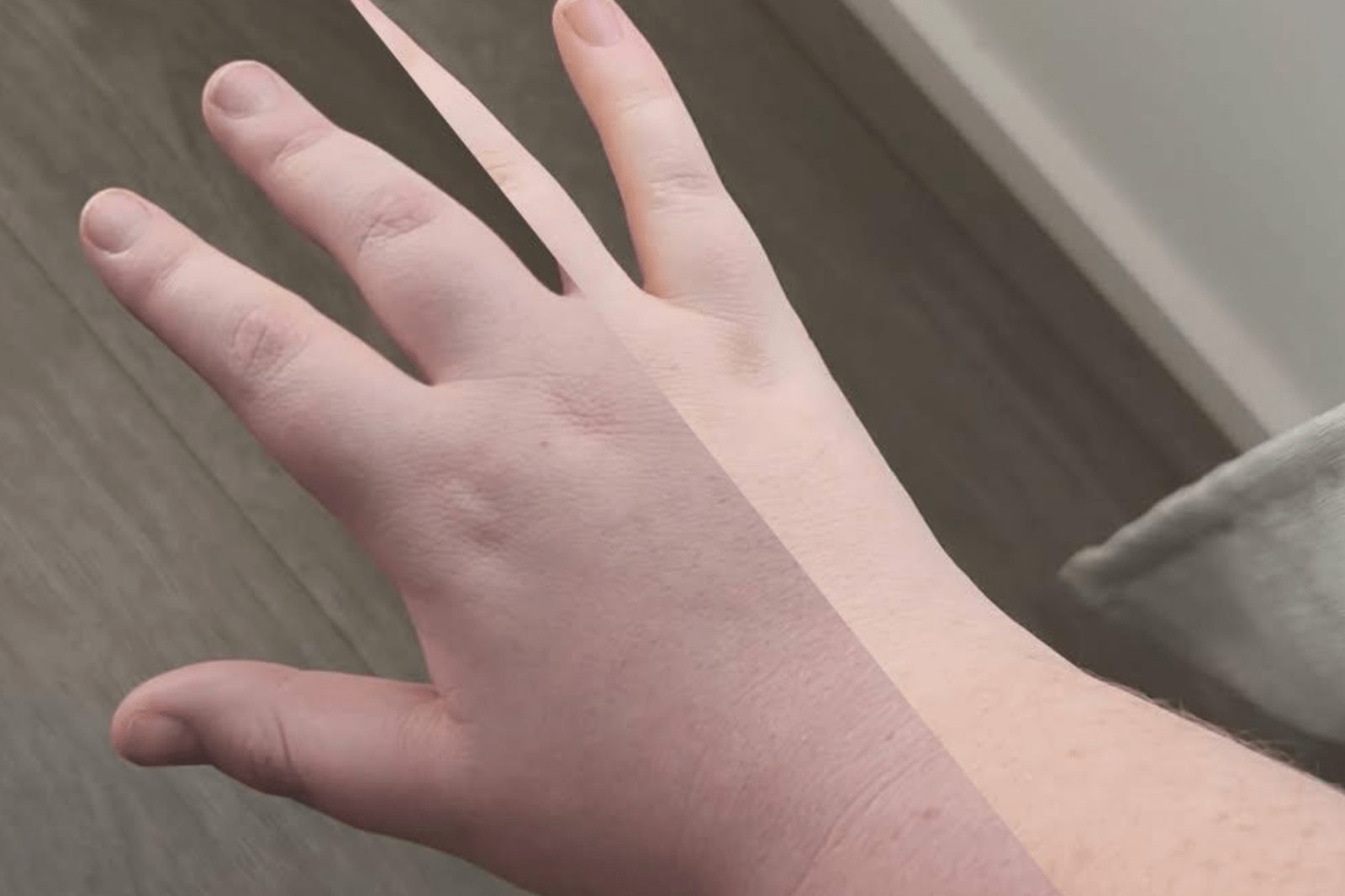
Over the years, Lynch noticed a worsening of her symptoms. Initially, she felt pain in her neck, shoulder, and arm. This eventually led to numbness, tingling, heaviness, weakness, and swelling. Activities that required holding objects became increasingly difficult.
Lynch was diagnosed with vascular and neurogenic Thoracic Outlet Syndrome (TOS). This condition involves the compression of arteries and nerves between the neck and arm, restricting blood flow and impacting nerves.
Medical Understanding of Thoracic Outlet Syndrome
Neurogenic TOS can result from physical trauma, repetitive motion, or bone and muscle irregularities.
A study from the Journal of Brachial Plexus and Peripheral Nerve Injury explains initial treatment includes physiotherapy. Surgery may also be necessary, offering significant symptom relief. However, TOS’s rarity contributes to misdiagnosis challenges. Symptoms like numbness, tingling, pain, and changes in muscle or skin can worsen with pressure on the affected area.
Lynch’s Experience with Treatment
Lynch tried various treatments: physiotherapy, strength training, water therapy, massage, dry needling, and more, encouraged to ‘exercise through pain.’ Instead, symptoms intensified with more pain, heaviness, and loss of function.
Impact on Her Life
Lynch’s diagnosis severely impacted her daily life, making tasks like driving, cooking, and washing her hair strenuous. Her passion for photography became difficult due to the strain of holding a camera. Formerly active with snowboarding, hiking, figure skating, and painting, Lynch now struggles with basic tasks.
Surgical Intervention and Ongoing Challenges
In December 2025, Lynch underwent surgery to remove her first rib and scalene muscles, addressing abnormalities causing intense symptoms. While this improved her condition, she continues to experience nerve pain and faces further surgeries.
Sharing Her Story for Greater Awareness
Lynch is committed to sharing her experiences online to raise awareness for TOS and EDS. Her goal is to enhance understanding and support for individuals encountering similar challenges.
She hopes that increased awareness will aid those seeking diagnoses for symptoms that are dismissed or misunderstood. Lynch’s journey involves explaining symptoms, finding specialists, and advocating for testing and treatment in a condition unfamiliar to many healthcare professionals.
Her aspiration is to regain nerve and circulation function, enabling her return to art and photography without debilitating pain.