
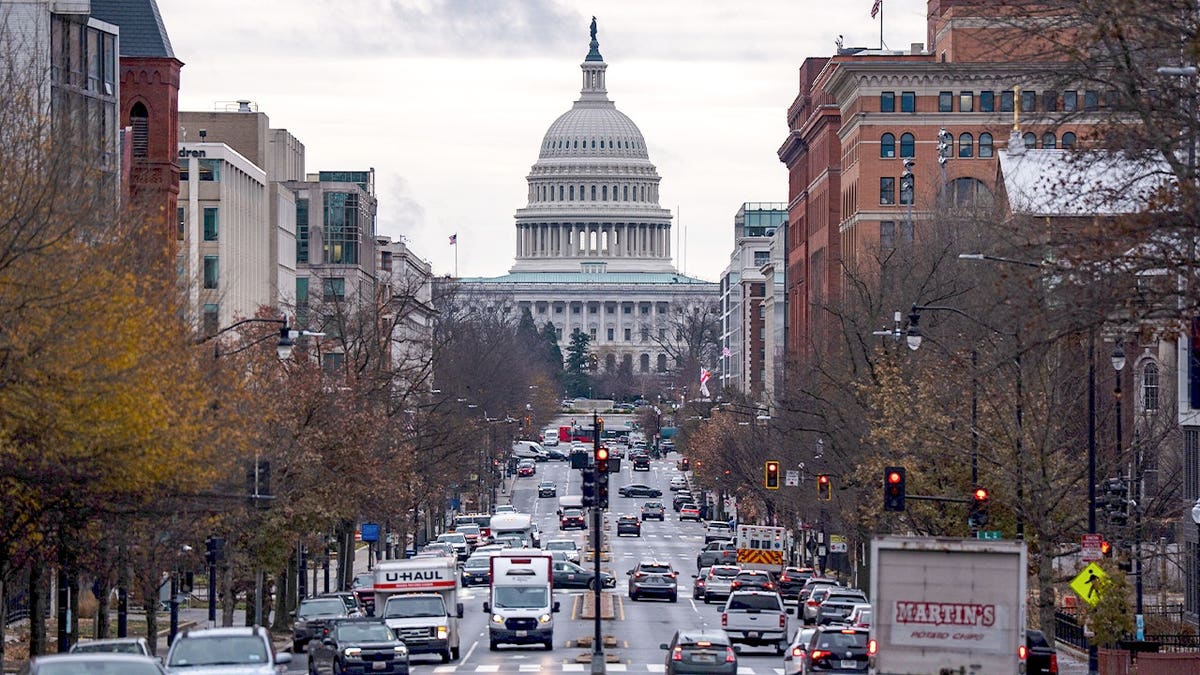
As summer transitions to fall, Congress experiences a shift away from its typical chaos. Unlike previous years, lawmakers avoided an immediate government shutdown, having solved funding issues early, extending it through December 11. For once, the early days of autumn allowed members and journalists to enjoy fall activities without imminent fiscal panic.
Government Funding Secured
President Trump signed a bill ensuring government operations until mid-December, sparing lawmakers from the stress of a shutdown that lasted 43 days the previous year. However, this reprieve might be temporary depending on midterm election outcomes.
Midterms Impact
The approaching elections could drastically influence funding decisions. If Democrats gain control of either chamber, it could pressure Republicans to shape spending bills before Democrats assume potential power in 2027. Conversely, Democrats, buoyed by electoral success, may push for interim spending measures, hoping to negotiate with President Trump next year.
The 60-Vote Challenge
The Senate filibuster rule remains a barrier, requiring 60 votes to clear spending packages. This necessitates cooperation from seven Democrats, a challenge if they prefer to imprint their influence on spending next year.
Leadership Dynamics
Inter-party dynamics might evolve post-midterms. House Speaker Mike Johnson could face challenges if Republicans lose the majority. Rumors suggest Rep. Jim Jordan’s interest in leadership, potentially complicating GOP unity. Similarly, Senate leadership could see shifts based on election outcomes.
Potential Challenges and Delays
Historically, shifts in congressional control lead to tensions. Democrats gaining power have earlier resulted in shutdowns due to spending plan disputes. With progressive Democrats potentially entering the House, intra-party debates might ignite, especially if spending plans clash.
Possibilities Ahead
The temporary calm precedes a potential fiscal upheaval. Decisions on spending bills, potentially renewing FISA, and syncing House and Senate efforts could lead to renewed conflict post-election. While autumn starts peacefully, congressional turbulence looms, ready to strike after the electoral storm passes.

With elections around the corner, Capitol Hill enjoys a slight break from its usual fall frenzy, only to prepare for upcoming political and fiscal confrontations.