
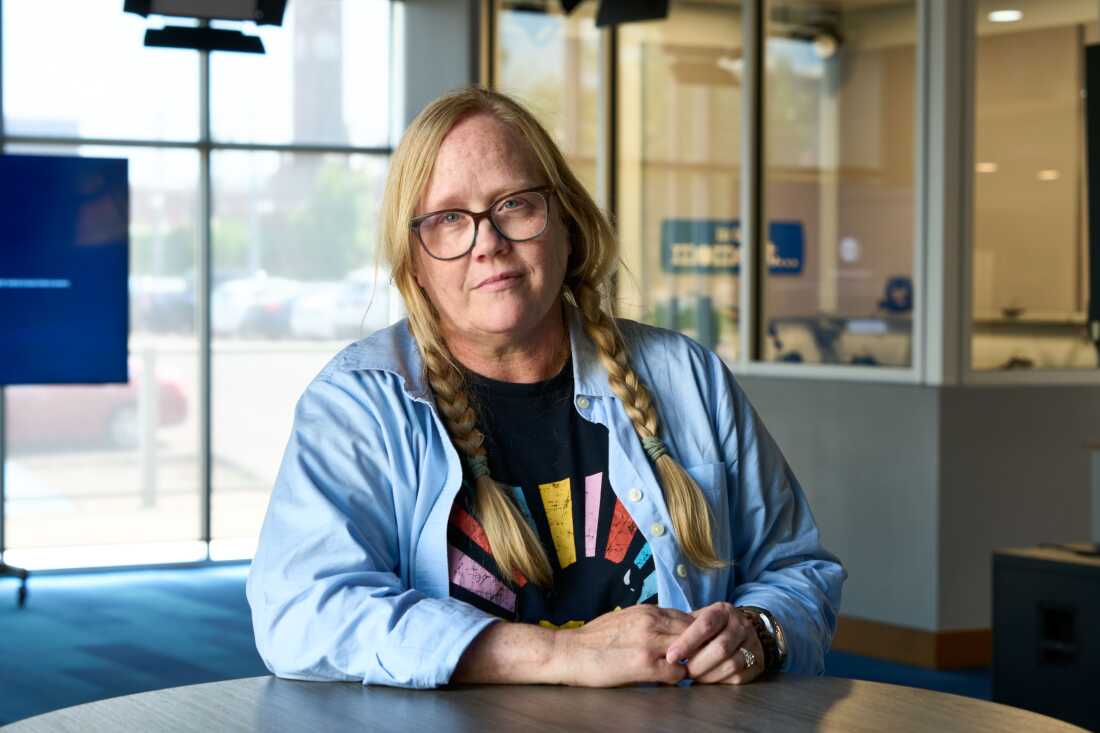
Lori Walsh’s public affairs show was canceled after losing federal funding. Thanks to financial support from listeners, she returned to South Dakota Public Broadcasting as a podcaster. This shift is part of a larger struggle faced by public media across the country.
Last year, President Trump halted nearly six decades of bipartisan support for public media funding by signing a bill that cut it drastically. Following the law, over 500 public media staff were laid off, impacting radio and television stations nationwide.
Impact on Public Media
NPR had less reliance on federal funding, making up less than 2% of its revenue. However, public radio stations depended more heavily, with 8-10% of their budgets coming from federal support; for PBS, this share was even higher. Rural stations, reliant on fewer donors, suffered the most.
South Dakota Public Broadcasting felt immediate impacts. The station canceled Lori Walsh’s show and laid off seven of its 11 journalists. Host Walsh previously set the agenda for South Dakota’s people, interviewing diverse residents.
Community Support
Despite job cuts, some stations experienced financial help from listeners, dubbed “white-hot rage-giving.” South Dakota Public Broadcasting collected around $8 million, allowing Lori Walsh to be rehired.
Walsh now runs a daily podcast and a segment on Morning Edition. Her topics range from local government races to recent archeological findings, maintaining the show’s conversational style.
Innovation Out of Necessity
Across the country, innovation emerged from necessity. In Colorado, KSUT Public Radio raised enough funds from donors to install solar panels and start its first endowment.
KSUT and other stations, including NPR, won a lawsuit against Trump’s 2025 order cutting public media funds, arguing it was unconstitutional. This victory restored funding through federal agencies, including aid for tribal audiences.
Tami Graham, Executive Director of KSUT, highlighted the importance of donor transparency, stating the station didn’t need to make staff cuts.
Challenges and Changes
Not all stations faced the same positive outcomes. WNIN in Indiana faced a double hit with state and federal funding cuts, totaling $1.5 million. CEO Tim Black reduced his staff by 20%, but member contributions exceeded expectations.
In light of member generosity, WNIN ended the year with a surplus, aided by the Public Media Bridge Fund. This support has allowed the team to re-evaluate how the station serves its audience.
Future Uncertainty
Despite hostility from lawmakers, some express openness to restoring state funding. Indiana’s Governor mentioned he likes public radio’s programming, though remains cautious about government financial support.
As systems adapt, NPR reduced fees for programs and saw slight membership changes. Some conservative critics suggest public media should be privately funded—challenging stations to innovate further. NPR has received major gifts to support transformative efforts, challenging stations to reach new audiences.
Jennifer Ferro, president of KCRW in Los Angeles, noted federal funding was just a small part of her station’s budget. Staff cuts followed systemic changes in news consumption. Looking ahead, KCRW plans to focus on cultural offerings relevant to Los Angeles life.
One year after funding cuts, public media executives are considering more inventive strategies but face lingering anxiety about sustainability.
Disclosure: This article was written by NPR Correspondent David Folkenflik and edited by NPR’s Emily Kopp and Gerry Holmes. NPR’s reporting protocol ensures no corporate influence pre-publication.