
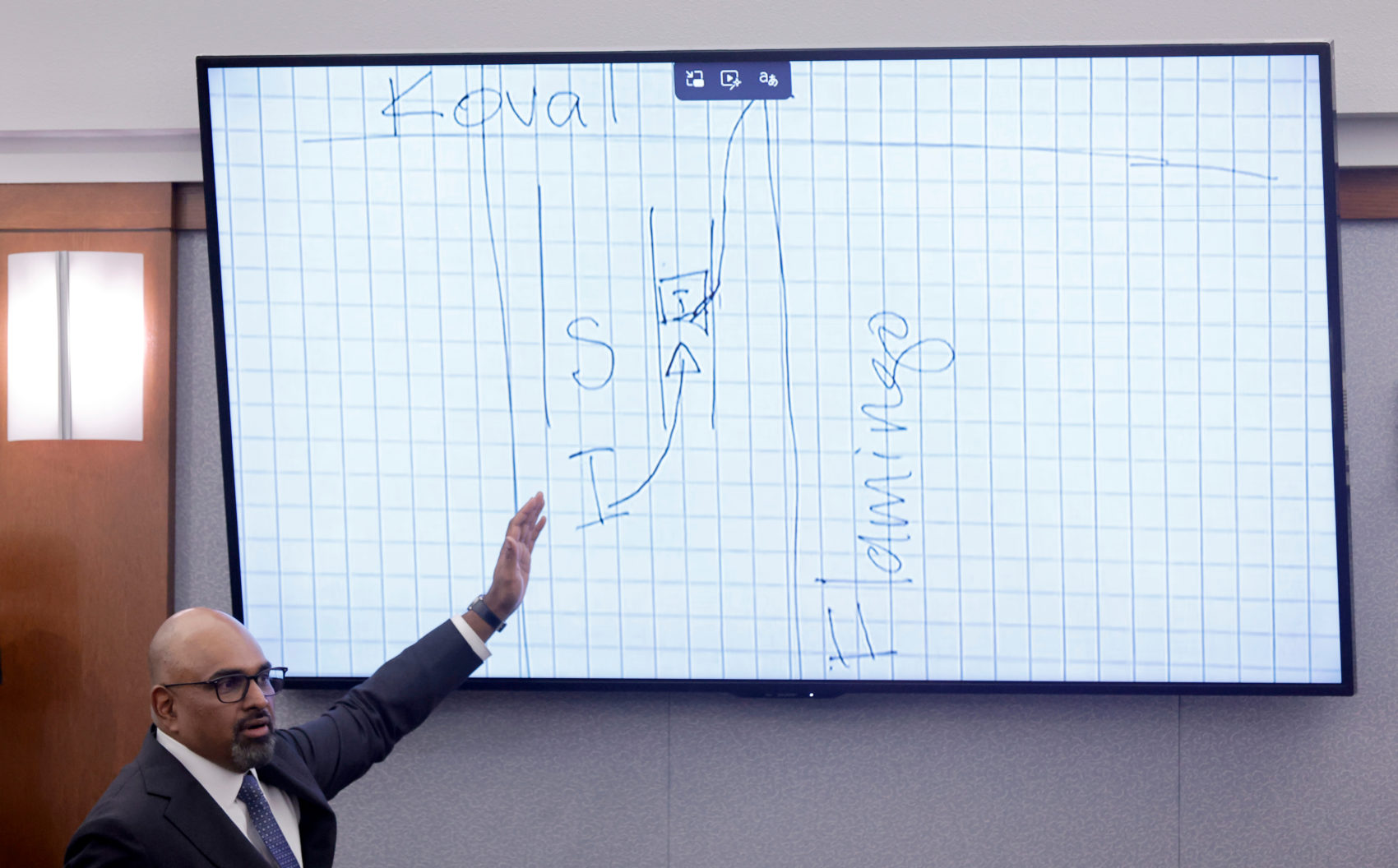
In Las Vegas, a prosecutor urged jurors to convict Duane “Keffe D” Davis of first-degree murder in the 1996 killing of Tupac Shakur. Chief Deputy District Attorney Binu Palal argued that Davis’ own words, alongside substantial circumstantial evidence, demonstrated his orchestration of the drive-by shooting.
Palal stated that Davis acquired a gun and sought out Shakur and Marion “Suge” Knight after an altercation earlier that night. Although Davis’ recounting of events evolved, Palal emphasized his consistency in placing himself in the white Cadillac from which shots were fired. “The core facts remain. The material facts remain,” Palal reiterated.
Palal told jurors that Davis’ statements did not require additional corroboration. He highlighted the longstanding rivalry between the South Side Compton Crips and Mob Piru, and mentioned how members of Shakur’s circle identified Anderson and Davis as suspects. The prosecution focused on Davis’ role in providing the gun and initiating the attack.
Palal noted the shooting was premeditated, indicating that the group initially searched for Shakur and later made a U-turn upon spotting him. “It’s a plan, not an impulse,” he stated.
Davis, 63, faces charges of murder with a deadly weapon aimed at promoting or assisting a criminal gang. Jurors, after hearing testimony from 24 prosecution witnesses and three defense witnesses over nine days, were faced with weighing the evidence.
The prosecution argued that Davis’ own book and interviews supported their case, while his defense attorney contended the narrative was fictional and lacked evidence. This trial closes a decades-long case that has captivated hip-hop fans and true crime enthusiasts.
Shakur, seen as a pivotal rapper, was in Las Vegas on September 7, 1996, when a white Cadillac pulled up and fired shots as he stopped at a red light. He died six days later, whereas Suge Knight, co-founder of Death Row Records, survived the shooting.
For years, no one faced charges until Davis spoke publicly, admitting his presence in the Cadillac and his role in providing the gun. Calls for retaliation following his nephew’s beating drew Davis closer to the crime under Nevada law. Davis, the sole survivor from the Cadillac, must now contend with his admissions being scrutinized by the court.
The prosecution presented Davis’ 2019 memoir, “Compton Street Legend,” and interview footage where Davis suggested buying the book for the true story. Although the memoir includes a disclaimer about altered facts, Palal argued that only minor details varied, while Davis’ involvement remained clear. He dismissed claims that Davis fabricated accounts for financial gain, stressing instead the notion of profiting from murder.
Davis’ defense attorney, Michael Sanft, countered these claims in his closing argument by referring to Davis’ memoir and questioning its truthfulness. Sanft argued against the prosecution’s claim, citing a lack of physical evidence like phone records or bills directly linking Davis to the murder.
The evidence, however, includes testimonies from gang experts describing Davis as the one in control during the gang rivalry between South Side Compton Crips and Mob Piru, tied to conflicting record labels Bad Boy Records and Death Row Records.
Sanft has maintained that Davis’ statements were exaggerated for personal gain, questioning the lack of physical evidence after nearly 30 years. Prosecutors cautioned jurors about the nature of evidence from the ’90s, such as hotel surveillance video that may not match today’s standards.
The trial’s proceedings reached a dramatic moment as Sanft quoted an excerpt from Davis’ memoir, provoking reactions from the onlookers. The case continues to draw attention, balancing allegations with historical evidence in the court’s quest for justice.