
Renaming Lake Ontario: Presidential Power and Impact
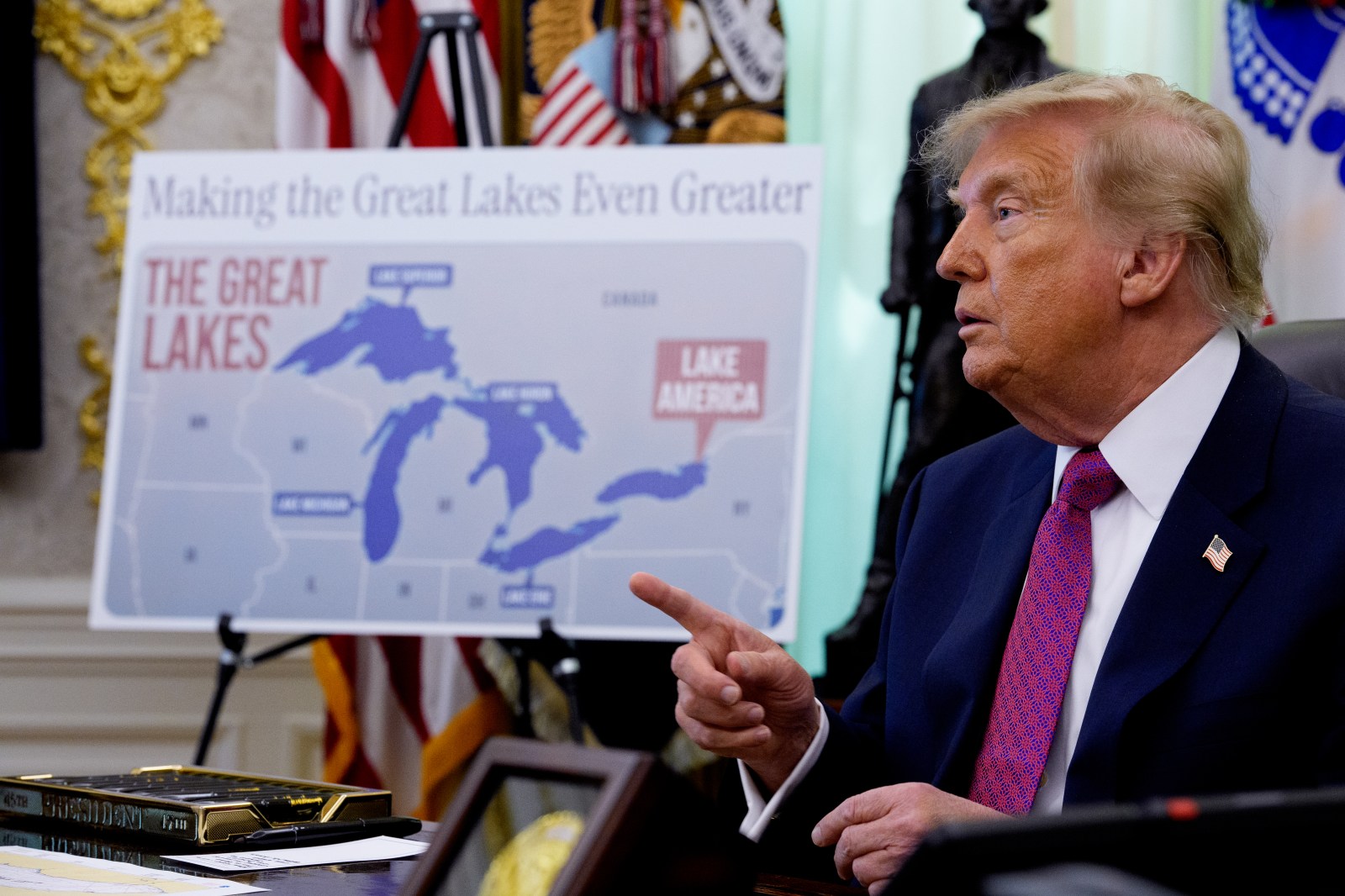
President Donald Trump recently issued an executive order renaming Lake Ontario as “Lake America,” sparking debate regarding presidential authority over geographic names and conventions. Signed on August 27, this order follows his previous attempts to rename prominent geographical areas. The federal government is instructed to update the Geographic Names Information System to reflect this change, although it holds no binding power over international or Canadian naming conventions.
Potential for Renaming Major Oceans
During the announcement, Trump humorously suggested that renaming major oceans like the Atlantic and Pacific might be considered. While a president can direct federal agencies to adopt new names, these changes would remain largely symbolic on an international scale. Legal frameworks restrict sovereignties to territorial waters and exclusive economic zones, leaving most of the oceans as internationally shared. Even with federal adoption, foreign entities would not be required to accept these new names.
Motivation Behind Renaming Lake Ontario
The decision followed comments by Trump amid an ongoing trade conflict with Canada. Despite public exposure to discussions on changing the name, the move reportedly carries no diplomatic message according to the president, although trade criticisms were expressed. This decision aligns with Trump’s previous renaming of the Gulf of Mexico to the “Gulf of America,” showcasing a trend of using executive orders to influence federal naming conventions.
Authority and Jurisdiction: Gulf of Mexico Example
Trump’s 2025 executive order marked an official change from “Gulf of Mexico” to “Gulf of America,” raising questions of sovereignty and authority. Despite this change, the gulf’s legal status as a shared region among the United States, Mexico, and Cuba remains unaffected. The executive order influenced federal agency terminology but did not alter international agreements or jurisdictional controls.
This distinction is critical: naming changes within federal documentation do not equate to international recognition or control. Maritime agreements govern jurisdiction irrespective of how countries label geographic features.
Limits of Executive Naming Authority
The presidential capacity to influence federal nomenclature is limited by international conventions and shared global spaces like oceans. While a president can dictate federal naming protocol, enforcing changes outside the governmental sphere remains unlikely. Federal changes may not sway global consensus or affect shared geographic features.