
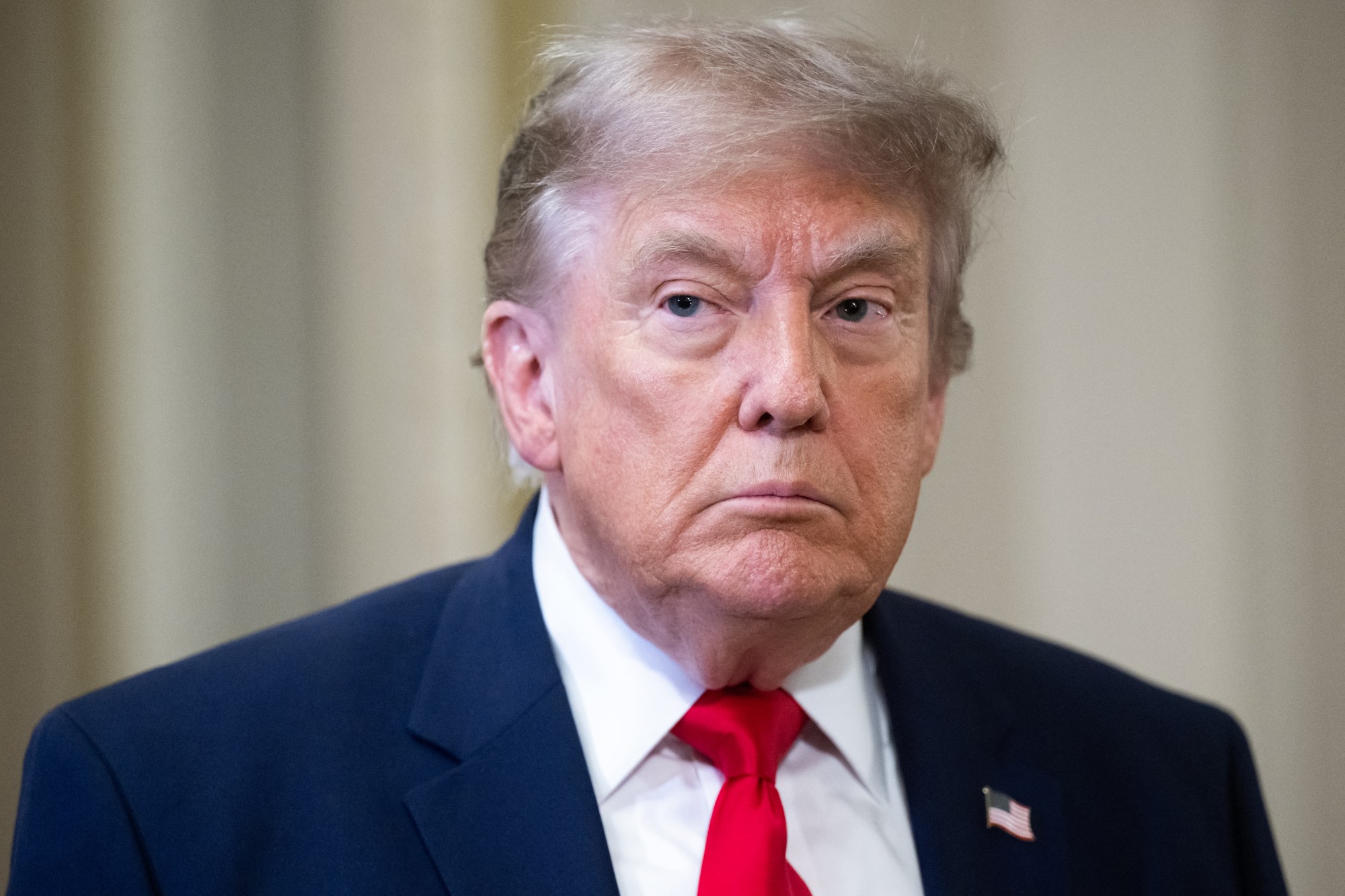
On June 24, 2026, President Donald Trump refused to sign the bipartisan 21st Century ROAD to Housing Act, a decision that has stirred confusion among congressional Republicans. This housing bill, which had gained rare overwhelming support in Congress, was sidelined as Trump made clear his intentions to leverage the situation for the passage of the SAVE America Act. The latter is perceived by many as a move to curtail voter registration under the pretext of addressing voter fraud.
The possibility of Trump using a pocket veto raises questions about its legal viability. Constitutionally, once Congress has formally sent an “enrolled bill” to the White House, the President has ten days, excluding Sundays, to either sign or veto the bill. If no action is taken, the bill becomes law automatically unless Congress adjourns, preventing the return of the bill, in which case a pocket veto can be invoked.
Confusion has arisen with reports of potential legal questions regarding the triggering of a pocket veto if Congress is on a ten-day recess starting July 3. However, historical precedent and the Constitution clarify that for a pocket veto to be valid, Congress must be adjourned, and the bill’s return must be prevented. The Constitution prefers a return veto, ensuring Congress has an opportunity for an override, as a balance of power between Congress and the presidency.
The pocket veto was designed to prevent Congress from bypassing a veto by adjourning quickly after passing a bill, ensuring that an unacceptable bill does not automatically become law. During recesses, Congress uses legal agents to handle veto messages, a practice upheld for many years. This is akin to the White House receiving bills when the President is unavailable.
If Trump decides to block the housing bill, his only constitutional option is issuing a return veto. Given the bipartisan support for the bill, an override by Congress appears highly possible, though Trump’s influence could shift party allegiance. For the framers of the Constitution, who were adamant about maintaining checks and balances, every detail of the veto process was critical.
Robert J. Spitzer, a professor emeritus of political science, emphasizes the importance of these constitutional procedures and the founders’ intentions, reflecting on their relevance today. Spitzer is the author of numerous books on presidential power and the interplay between the presidency and Congress.