
Vibrio Vulnificus Concerns in Coastal Waters
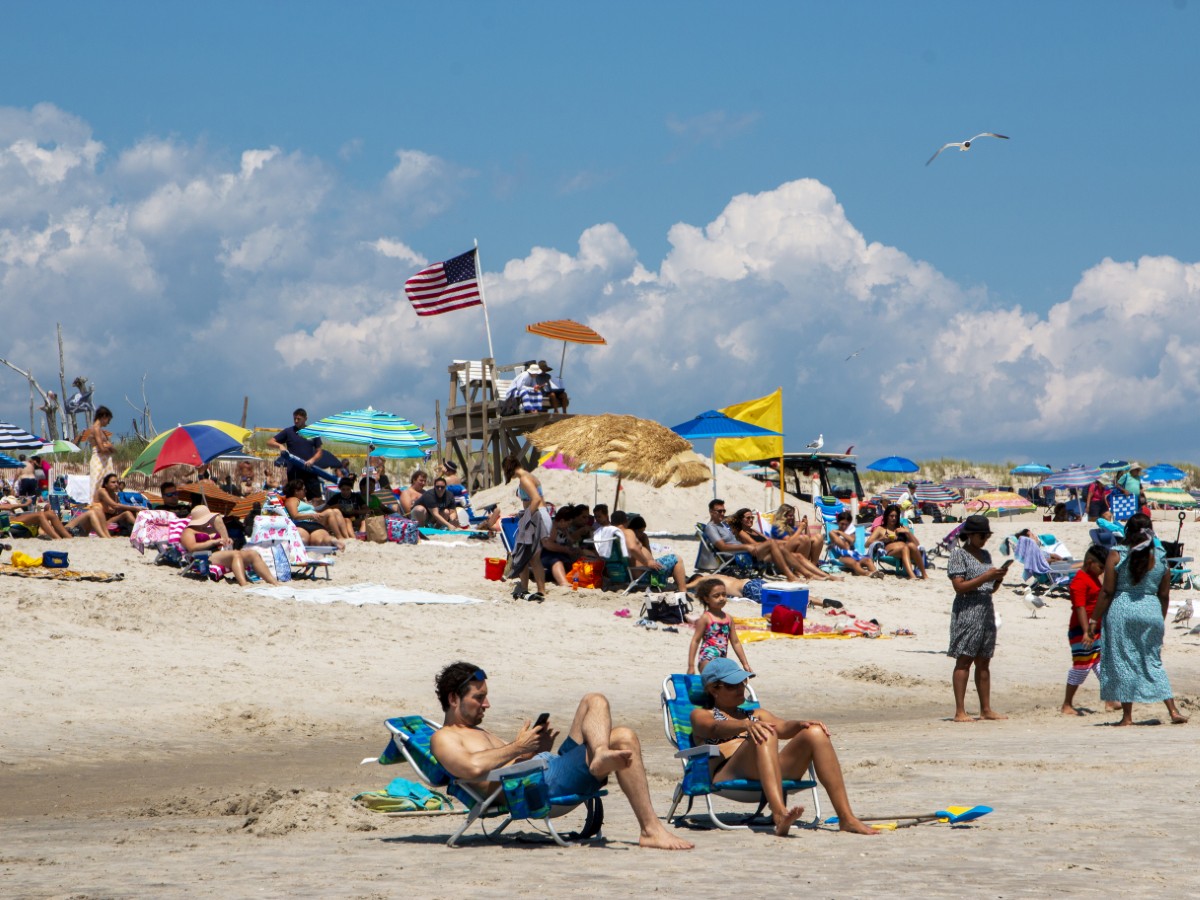
As July 4 approaches, Americans planning beach visits have been warned about Vibrio vulnificus, a dangerous bacterium known as “flesh-eating bacteria.” Officials in New York, especially Southampton Town Trustees, have issued alerts about this marine bacterium, which thrives in warm, salty, and brackish waters during summer.
Infections are rare but can escalate quickly for vulnerable individuals. According to the Centers for Disease Control and Prevention (CDC), around 20% of Vibrio vulnificus infections result in death within days due to severe complications.
New York Beaches and Northward Spread
Popular destinations like Jones Beach and Fire Island remain open, subjected to routine water quality checks instead of Vibrio-specific closures. However, actual detections from an April study occurred mostly in brackish areas like Mecox Bay and Georgica Pond. Despite its spread northward due to warming waters, trustees clarify that its presence doesn’t imply pollution or a broad health problem.
Most infections occur when open wounds contact contaminated water, with those having underlying health issues at higher risk. Advisory from Southampton doesn’t equate to unsafe waters but urges caution.
Understanding Vibrio Vulnificus
Vibrio vulnificus naturally occurs in warm coastal and estuarine areas. Infection can happen by exposing an open wound to infected water or by consuming raw shellfish. Symptoms include redness, pain, skin discoloration for wound infections, while bloodstream infections might cause low blood pressure and fever.
Immediate medical care is recommended for those showing infection signs. Vulnerable groups include individuals with liver disease, HIV, cancer, or those under immune-suppressing therapy. Treatments may involve antibiotics or surgical interventions.
Other States Issue Warnings
Not only New York, but states like Florida and Mississippi are issuing warnings. Florida has recorded Vibrio cases exceeding previous years, and Mississippi warned residents after a severe infection occurred. Advisories stress avoiding brackish water if wounds are present or ensuring proper wound coverage.
Health officials recommend disinfecting wounds after water exposure and seeking medical help if symptoms develop.