
Latin America’s Political Shift
Following the win in the first round of Colombia’s presidential election on May 31, Abelardo de la Espriella chose not to address his nation but instead reached out to U.S. President Donald Trump. Espriella, lacking prior political office experience, ran on a hard-line anti-crime platform titled “Defenders of the Motherland.” He expressed gratitude to Trump on social media, acknowledging Trump’s endorsement and criticism of his leftist rival, Ivan Cepeda. This interaction provides a glimpse into Latin America’s evolving political landscape, heavily influenced by Trump.
Right-Wing Governments on the Rise
Recent years have seen a resurgence of right-wing governments across Latin America, countries increasingly aligning with Washington in a manner not observed in decades. If sustained, left-wing administrations in Brazil, Mexico, Cuba, and Venezuela could find themselves in a diminishing minority. According to Michael Shifter of Inter-American Dialogue, Trump benefited as more governments aligned with his policies.
Strategic Changes in Venezuela
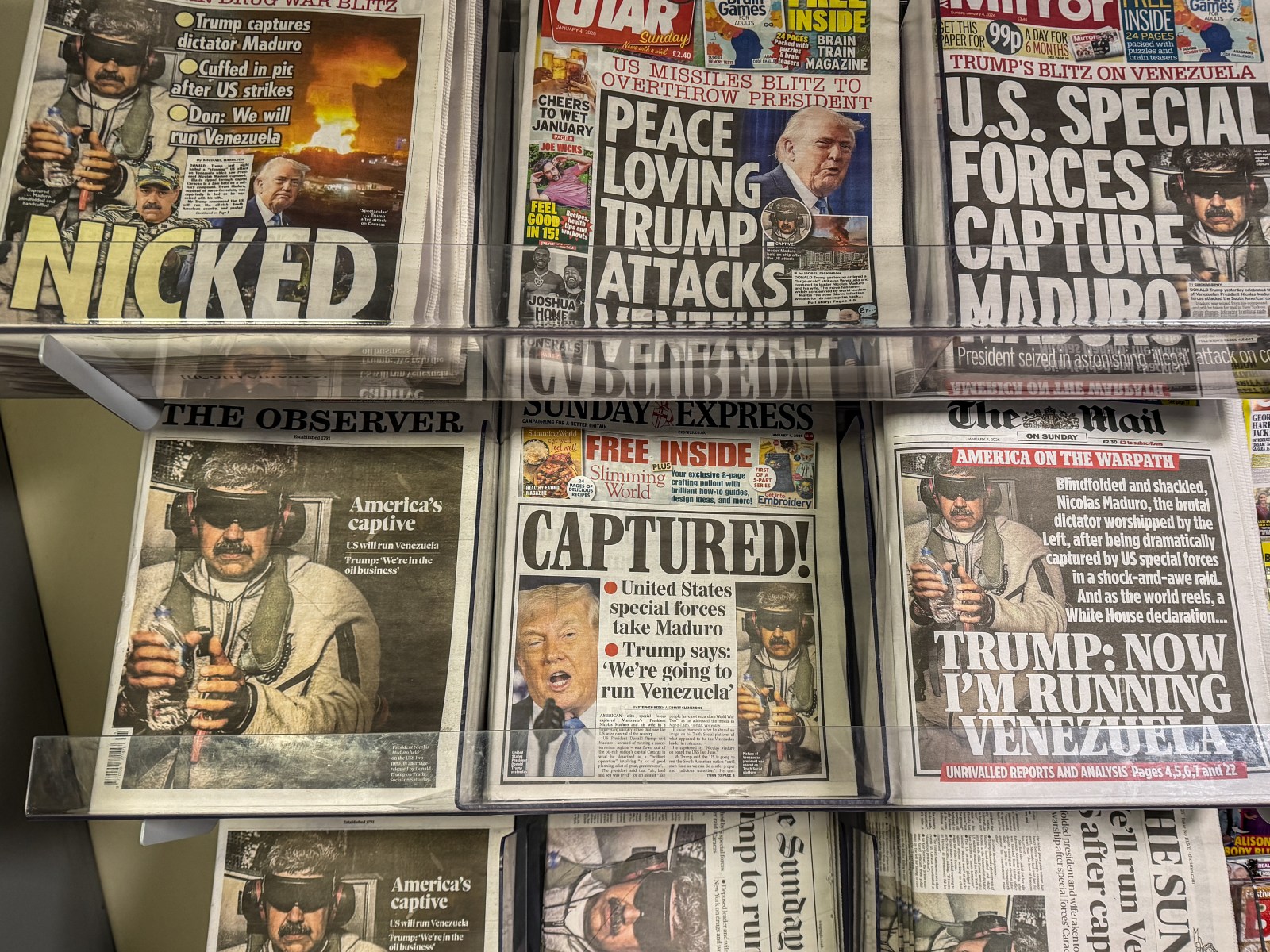
Venezuela had been a significant adversary of Washington under Nicolas Maduro’s leadership. Trump and Secretary of State Marco Rubio adopted a new approach after previous attempts to remove Maduro failed. The U.S. released a National Security Strategy promoting intervention and subsequently captured Maduro and his wife for narcoterrorism charges in New York.
Regional Political Trends
In Argentina, Javier Milei, a libertarian figure aligned with Trump, secured Washington’s support amidst midterm elections critical for his survival. Honduras saw Trump-backed Nasry “Tito” Asfura secure a victory as did Nayib Bukele in El Salvador, noted for his strong anti-crime measures. Meanwhile, Chile’s José Antonio Kast, drawing parallels to Trump, defeated his Communist Party challenger.
Economic and Security Concerns
A Konrad Adenauer Stiftung report highlighted a shift in political direction since 2022, with many countries transitioning from left to right. Increased crime prompted calls for stricter security measures, contributing to the rightward shift. Shifter cited a blend of factors driving this trend, from economic failures of left-leaning incumbents to the influence of leaders like Milei and Bukele.
Potential Backlash
Ernesto Samper, former Colombian president, expressed concerns reminiscent of past political repression, warning Trump’s approach could incite a nationalist backlash. In Peru, a runoff election sees Keiko Fujimori against Roberto Sánchez, amidst heightened crime rates. Fujimori’s proposed security measures directly oppose Sánchez’s economic policies.
Colombia’s Election Dynamics
Colombia’s political scene is heavily influenced by U.S. interests, observed in de la Espriella’s first-round success. His American citizenship, Republican ties, and relationship with Washington figures reflect broader global trends. Gimena Sanchez from the Washington Office on Latin America noted the outsider candidate approach gaining traction amid mounting security challenges.
Future Political Outlook
The political landscape remains uncertain, with potential challenges facing right-wing gains. Economies burdened with high debt may hinder conservative efforts to meet voter expectations. Shifter cautioned that if these governments fail to deliver on economic or security promises, a leftist resurgence remains probable.