
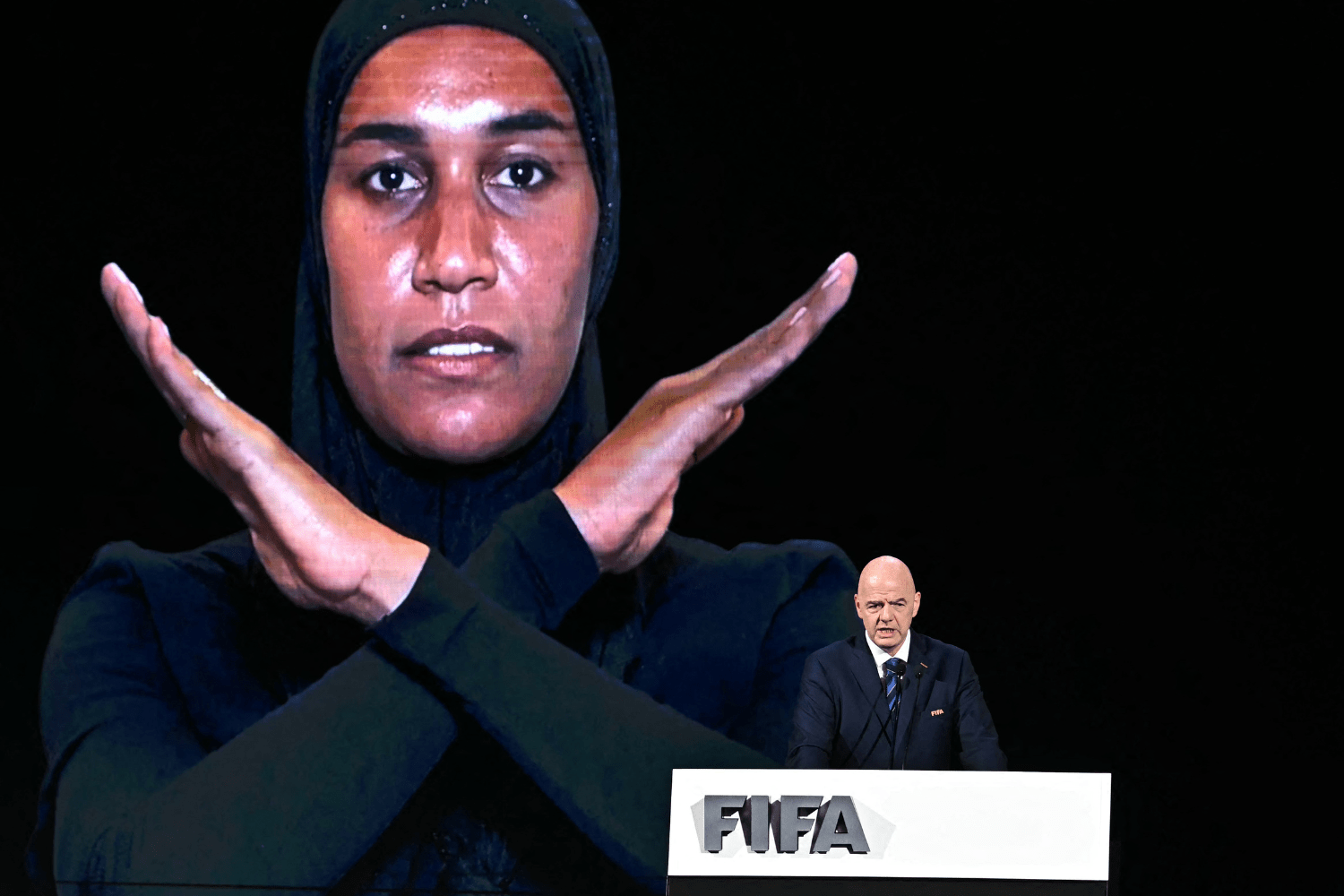
Players at the 2026 World Cup will have a new method for reporting racist abuse during matches. They will cross their arms to form an ‘X’, signaling FIFA’s anti-discrimination protocol to potentially halt the game. This gesture, first introduced at the 2024 Under-20 Women’s World Cup in Colombia, will now be implemented in all FIFA competitions.
FIFA faces ongoing pressure to address racist incidents swiftly at major tournaments. The gesture provides a standardized way for players, referees, and team officials to report abuse, activate FIFA’s anti-racism procedures, and tackle discriminatory behavior.
What Happens When a Player Makes the ‘X’ Gesture?
Under FIFA rules, this gesture can be used by anyone who witnesses racist or discriminatory behavior. Once shown, it signals officials to begin a three-step anti-discrimination protocol. The first step requires the referee to halt play and issue a stadium announcement demanding an end to racism. If abuse persists, the match may be suspended with players withdrawn from the field. Ultimately, if necessary, the referee can abandon the match.
This gesture enhances the existing protocol by providing an efficient trigger, ensuring that incidents are rapidly and consistently recognized.
How Is This Different From Previous Approaches?
Though FIFA’s anti-discrimination processes have existed for years, they often relied on verbal reporting from players or referee recognition. The ‘X’ gesture aims to eliminate this uncertainty. By establishing a universally recognized sign, FIFA intends to identify and address incidents more promptly.
The change reflects criticism from players and campaigners who argue governing bodies have been slow or ineffective in handling abuse. FIFA views the gesture as part of a comprehensive effort to standardize anti-racism enforcement during the expanded 2026 World Cup.
The Racism Incidents Behind the Move
Racist abuse at international tournaments has been a recurrent issue. A notorious incident occurred during a Euro 2020 qualifier between England and Bulgaria in 2019 when racist chants halted the match twice. The referee utilized UEFA’s anti-racism protocol, nearly abandoning the game.
At the 2022 World Cup in Qatar, FIFA took disciplinary measures against federations following racist incidents involving fans. Abuse has also extended beyond stadiums. Bukayo Saka, Marcus Rashford, and Jadon Sancho faced online racism after England’s Euro 2020 final loss, leading to police investigations and widespread outcry.