
Pentagon Faces Criticism Over Classified Military Assessment
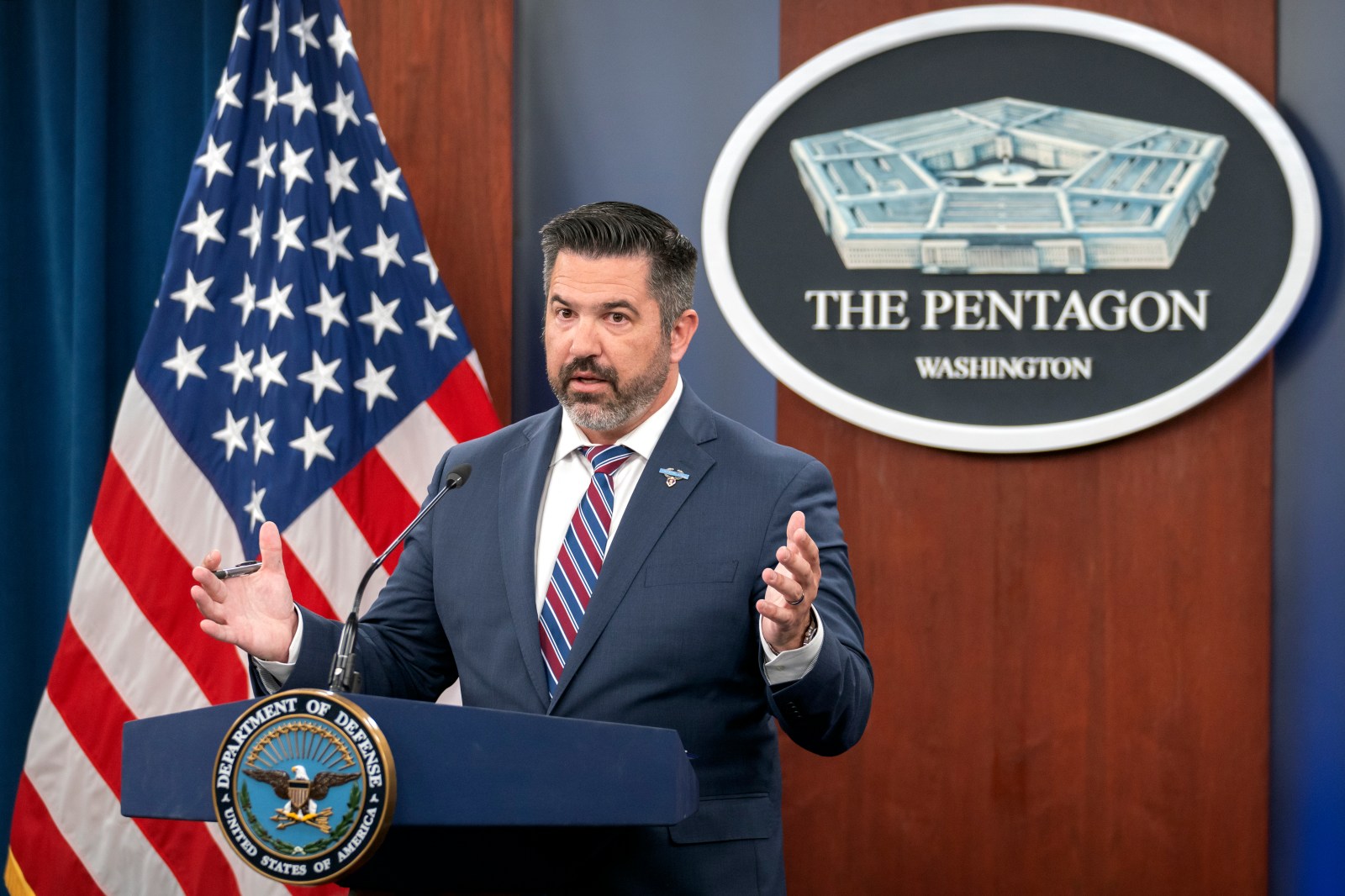
The release of a classified military assessment has sparked intense controversy and heightened tensions related to the U.S. war in Iran. Chief Pentagon spokesman Sean Parnell has criticized the disclosure, accusing it of being both a criminal act and a betrayal.
Strain from Middle East Operations
According to The Washington Post, top military officials have expressed concerns to Defense Secretary Pete Hegseth about the impact of extended operations in the Middle East on U.S. military forces. These warnings were part of the August 14 Secretary of Defense Orders Book (SDOB), which detailed that prolonged deployments and resource diversions are affecting U.S. military readiness, including defense capabilities within the United States.
Parnell’s Strong Reaction
In a statement to Newsweek, Parnell condemned the leaked information. He emphasized that Secretary Hegseth actively collaborates with various military bodies to maintain readiness and respond effectively when necessary. Parnell insists that decisions regarding force commitments are based on strategic priorities, threat assessments, and advice from top military staff.
“Publishing highly classified assessments from the Secretary’s orders book is a crime and a betrayal of the force,” Parnell wrote on X.
Legal Implications of Publishing Classified Information
This controversy raises questions regarding the legality of disclosing classified Pentagon assessments. Post reporter Dan Lamothe argued that independent journalism is protected under the First Amendment, particularly when reporting on government activities during an active conflict.
Officials are withholding critical details about the Iran war while reporting reveals its fiscal impact, with costs estimated at $37.5 billion since February. The SDOB’s contents were exposed through interviews, not by publishing the document itself.
Warnings from Military Leaders
The leaked assessment indicates that ongoing operations are depleting U.S. military resources. Non-concur statements from European Command, Pacific Command, and Southern Command reveal concerns about the diversion of assets. Navy Admiral Daryl Caudle warned that the Navy’s current support cannot be sustained indefinitely.
Readiness concerns extend to the Army and Air Force, with extended deployments and strained resources highlighted as ongoing risks.
Munitions Stockpile Concerns
The depletion of key missiles has raised alarm. President Trump has threatened legal action against those leaking information about U.S. munitions supplies. Despite assurances, reports suggest U.S. stockpiles of crucial weapons are shrinking.
Manufacturing investment is underway, but air defense missiles and other sophisticated weaponry have long production times, prolonging replenishment.
The Payne Institute for Public Policy reports extensive munitions usage, while the Center for Strategic and International Studies highlights significant reductions in missile stocks.
Potential Congressional Actions
As Congress reviews funding requests, transparency demands may increase. Additional leaks could further influence the management and oversight of the conflict with Iran.