
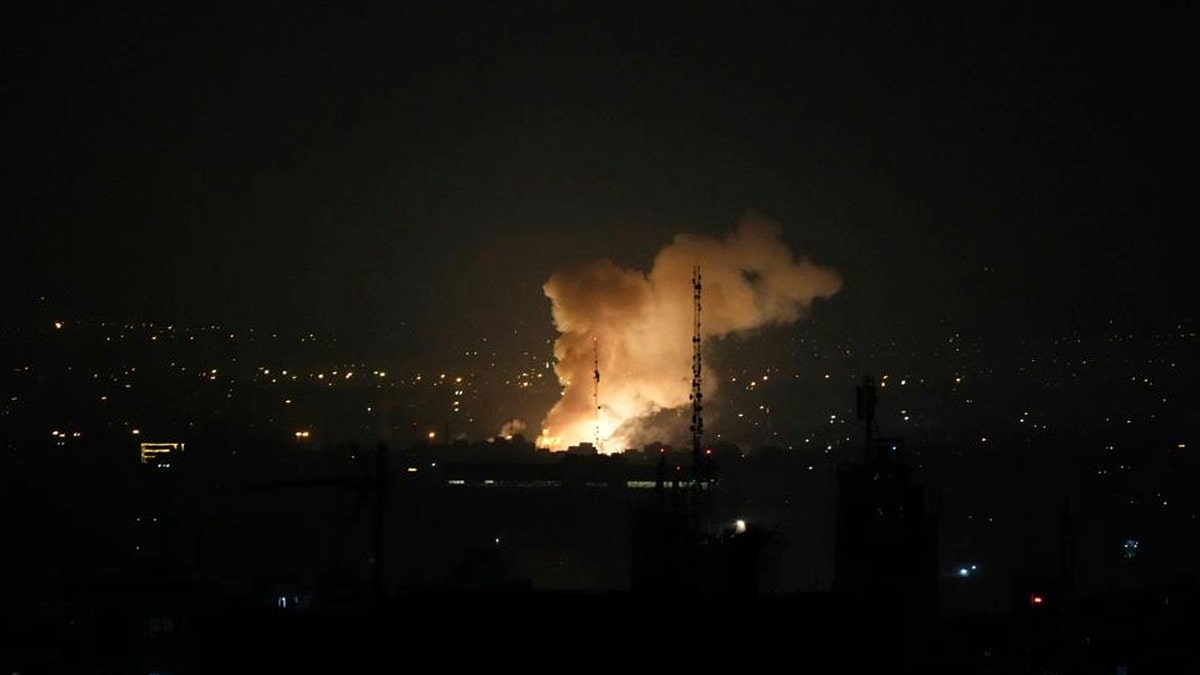
Peace negotiations between Iran and Israel have hit a stalemate following recent military strikes. Correspondents Max Gorden and Lucas Tomlinson share insights on President Donald Trump’s appeal for an Iran-Israel ceasefire. Retired U.S. Marine Col. Mike Jernigan discusses these developments on ‘America Reports.’
President Trump remains optimistic about a nuclear agreement with Iran. Despite protracted diplomacy and disputes over uranium enrichment, Trump insists a deal is near. He claims a solution could be finalized in ‘two or three days.’ However, a lack of public evidence suggests otherwise, as core conflicts remain unresolved.
Since Operation Epic Fury began, Trump has mentioned a pending agreement at least 38 times, according to CNN. Persistent issues include uranium enrichment, sanctions relief, and Iran’s enriched uranium stockpile. Officials say economic pressure on Iran and the high costs of renewed conflict could sustain hope for a deal.
In May, Trump announced a nearly negotiated deal, claiming a ‘final determination’ was underway. Ex-NSC official Michael Singh noted Trump’s negotiating style reflects a preference to stay diplomatic, avoiding alternatives for now.
April’s ceasefire, announced by Trump, was fragile, with Israel and Iran urging immediate peace. Trump stated negotiations were advancing but still subject to possible disruptions. As military tensions rose, Trump emphasized avoiding new conflicts.
Trump and Netanyahu plan talks at the White House to discuss Iran’s nuclear program and the Gaza situation. Trump’s confidence stems from recent operations and blockage successes. A White House official states that the U.S. holds a strong position to craft a favorable deal.
Recent exchanges between Israel and Iran nearly undermined the truce. Trump advised both nations to deescalate. By Monday, both appeared committed to avoiding further conflict, following Trump’s consultations.
Singh suggested both parties aim to pressure an agreement rather than let talks collapse. Disagreements persist, yet analysts foresee Iran bowing to pressure. Former Treasury Department official Miad Maleki highlighted Iran’s economic struggles, which might compel concessions.
The Trump administration asserts Iran cannot continue uranium enrichment, fearing potential weaponization. Iranian officials maintain their right to civilian enrichment. Disputes linger over the nation’s growing stockpile.
A breakthrough remains uncertain, but not only Iran faces pressures. Energy disruptions result from the conflict, hitting global shipping routes and stoking economic fears. Analyst Matt Smith predicts normal energy flows won’t resume until later this year.
Moody’s Analytics reports U.S. households have faced costs of roughly $100 billion from the conflict, driven by higher prices. Trump’s confidence is juxtaposed with tensions with Netanyahu. Trump claims Netanyahu must accept a U.S.-brokered deal.
Analyst Ehud Eilam argues both nations aim to prevent Iran from obtaining nuclear weapons, though strategic approaches differ. The U.S. holds leverage over Israel through military support, impacting decision-making.