
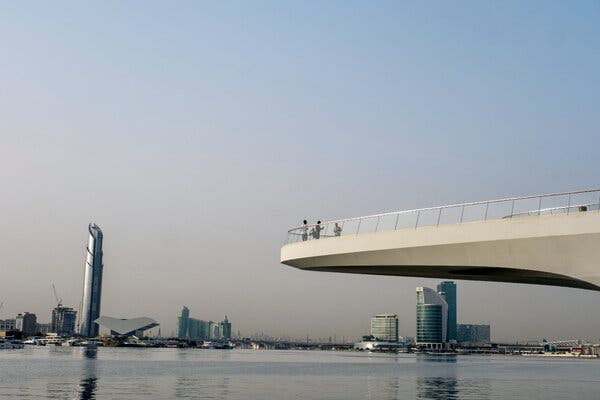
Dubai has long been considered the epitome of globalization in the Persian Gulf, likened to a Switzerland in terms of offering financial refuge. This perception has been challenged by recent conflicts impacting the region. Iranian drones and missiles attacked on February 28, causing significant damage across the city. The iconic Burj Al Arab and various other hotels were affected, with notable properties like Jumeirah Al Qasr observing substantial declines in visitor activity.
Though other Gulf nations rely heavily on oil, Dubai developed its economy through trade, tourism, finance, and logistics. This diversification presents both benefits and vulnerabilities. As the conflict disrupts air travel and maritime trade, Dubai’s economic stability faces serious threats.
Jim Krane, a research fellow at Rice University, highlights that the very strengths of Dubai’s economy—its global connectivity and appeal to international talent—become weaknesses during unrest. Capital and expatriates are at risk of withdrawal amidst such uncertain conditions.
“It’s also the big disadvantage when things go wrong,” Mr. Krane noted. “Capital can flee, and the people can, too.”
The war acts as a trial of Dubai’s capacity to endure and adapt. As the city continues to address challenges, the world watches to see how this once seemingly invulnerable metropolis will adjust to newfound vulnerabilities.