
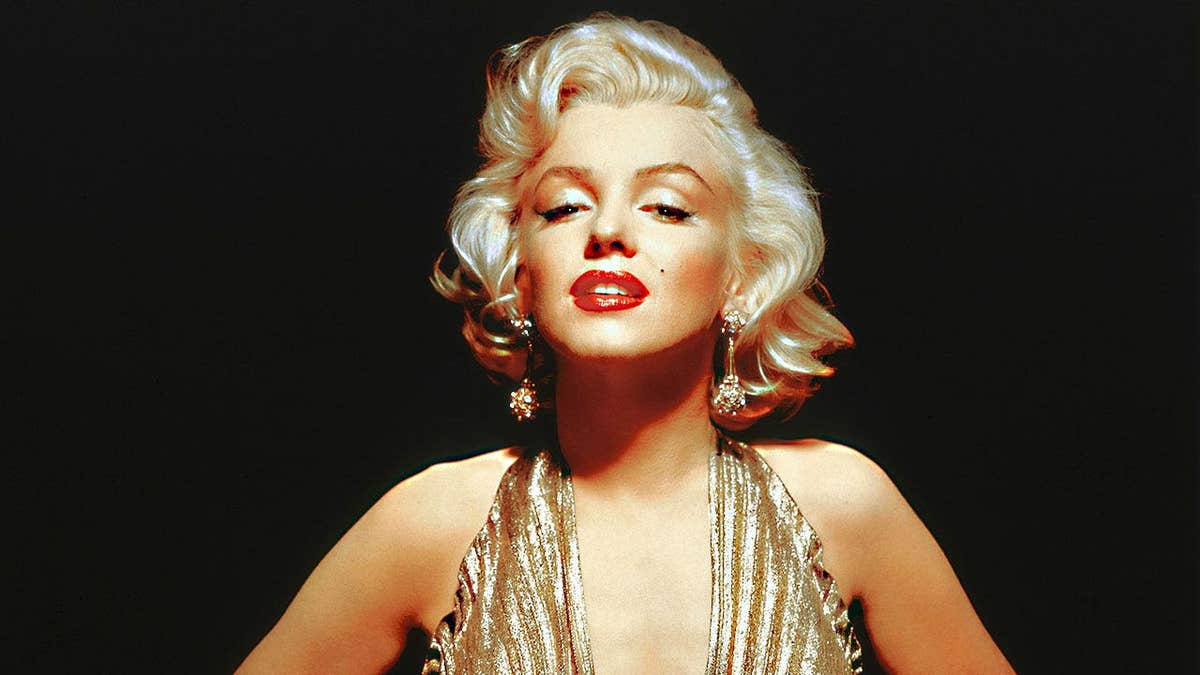
As the world commemorates Marilyn Monroe’s 100th birthday, renowned cold case investigator Paul Holes revisits one of Hollywood’s most debated cases. Holes, who spent decades solving crimes in California and was instrumental in capturing the Golden State Killer, is now delving into the circumstances surrounding Monroe’s death in 1962. The case is explored in the FOX special “Celebrity Crime Scene: Marilyn Monroe.”
MARILYN MONROE’S FORMER HOME DECLARED HISTORIC MONUMENT
In the special, premiering on FOX and available the next day on Hulu, Holes, along with crime scene analyst Alina Burroughs and true crime reporter Kiki Monique, investigates the longstanding mystery of Monroe’s demise. They employ artificial intelligence to reconstruct her home and examine the theories that have persisted for over 60 years.
“I was aware of her death being labeled a probable suicide due to a drug overdose,” Holes explained, “but many details were unknown to me until I started investigating.”
Monroe died in August 1962, found in her bed with a telephone in her hand. A nearby empty bottle, which once contained 50 Nembutal capsules, was found. This powerful sedative was used to treat insomnia, and no note was discovered, according to reports from that time.
Holes pointed out, “The most significant red flag was the lack of documentation. Few photos exist of the scene, and even the one photograph available raised inconsistencies. The pristine bed sheets and the neatly arranged pill bottles seem inconsistent with an overdose scene.”
“Those planning to ingest multiple pills typically don’t meticulously organize their surroundings before lying down,” Holes added.
Despite Monroe’s well-documented mental health struggles, Holes questions the official narrative of her intended suicide. He noted the peculiarities surrounding her prescription for Nembutal, given two days before her death.
The Los Angeles County District Attorney’s Office determined that the absence of barbiturate residue in Monroe’s stomach was not suspicious, as the drugs could have been absorbed into her bloodstream and liver, minimizing traces.
Monroe’s physician, Dr. Hyman Engelberg, and her psychiatrist, Dr. Ralph Greenson, were involved in her medical care. Holes finds aspects of this care questionable, suggesting areas that might require further examination.
Holes has expressed suspicion about the role of Engelberg, especially considering a prescription for chloral hydrate found in Monroe’s system. The Times of London reported a June 1962 prescription made out to Monroe, which Engelberg allegedly denied.
On the night of her death, Monroe’s housekeeper, Eunice Murray, contacted Greenson when Monroe did not respond. Greenson entered her room by breaking a window and found her deceased. Engelberg arrived later and pronounced Monroe dead, but there was a delay before police were contacted.
Through years of speculation and conspiracy theories, a 1982 investigation concluded that insufficient evidence existed to prove criminal involvement in Monroe’s death. Yet, Holes questions this, asking why the original investigation lacked rigor.
Monroe, known for films such as “Gentlemen Prefer Blondes” and “The Seven Year Itch,” remains a beloved Hollywood icon. Holes argues modern technology offers a chance to reevaluate the evidence and pursue unexplored investigative avenues, particularly through witness accounts.
Monroe’s interactions with high-profile figures, such as President John F. Kennedy, placed her under FBI scrutiny. Declassified files revealed no Communist ties, although documents about her associations remain heavily redacted.
“There could be critical documents related to Monroe, classified due to her interactions with the Kennedys,” Holes speculated. “Requests under the Freedom of Information Act might eventually unearth them.”
In “Celebrity Crime Scene,” viewers can form their own judgments about Monroe’s death. Despite unresolved claims of influential interference, the inquiry continues to fascinate and provoke debate.