
The House of Representatives has moved closer to making daylight saving time permanent by voting to pass the Sunshine Protection Act. The bill aims to eliminate the annual ritual of changing clocks forward and back. However, some Orthodox Jewish organizations oppose the bill due to concerns related to their prayer schedules.
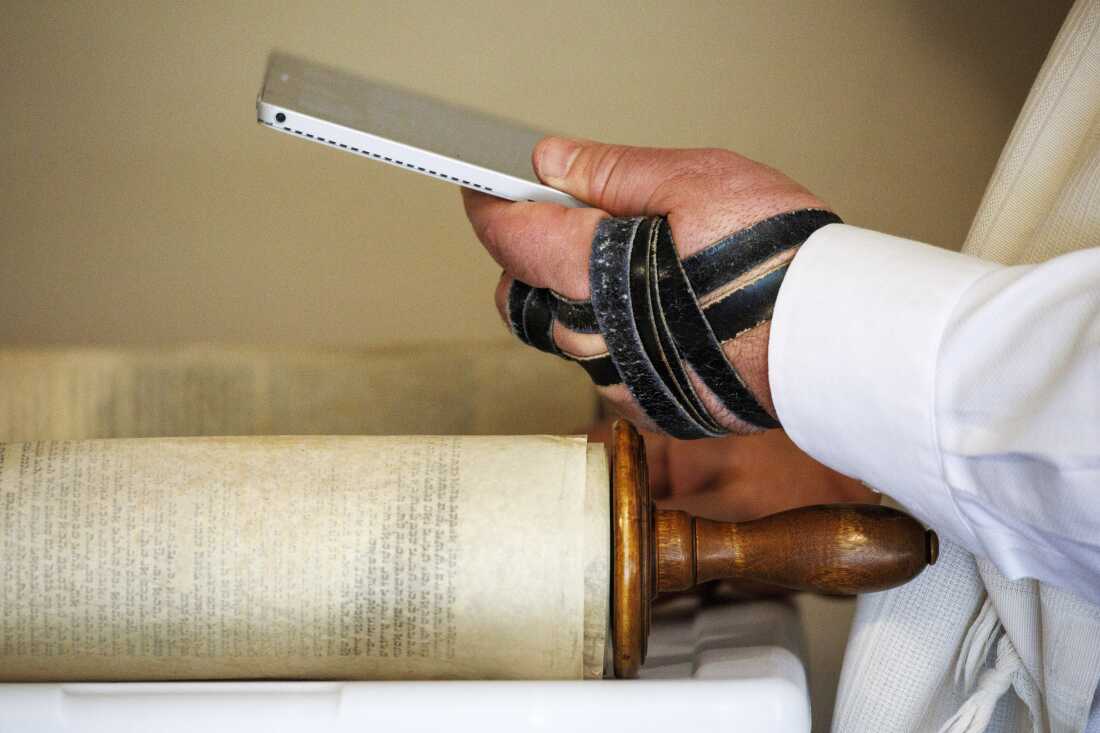
The measure passed the House with a 308-117 vote and now heads to the Senate, where its future is uncertain. President Donald Trump has supported the effort, calling the practice of adjusting clocks a “ridiculous, twice yearly production.” If enacted, the bill would provide more evening sunlight during winter but would delay winter sunrises by an hour. This poses an issue for Orthodox Jews who perform Shacharit morning prayers, which must begin after dawn.
Rabbi A.D. Motzen, national director of government affairs for Agudath Israel of America, highlighted the impact of the bill on work and school schedules. Prayer times being pushed an hour later could hinder people’s ability to get to work and when schools can start. Several Orthodox Jewish groups oppose the bill, including the Orthodox Union and the Coalition for Jewish Values.
Jewish law mandates that certain prayers must be said in a quorum of 10 Jewish adults, known as a minyan. This requires communal prayer at synagogues before starting the day, typically lasting 35 minutes, sometimes up to an hour. Motzen has noted that longstanding traditions of morning prayer services would be disrupted if 10 men cannot attend due to work commitments.
Modzen also pointed out safety concerns related to later sunrises. A compromise in 2022 saw the Senate pass a similar measure, but the bill later failed in the House. This historical struggle goes back to 1974 when clock-switching was temporarily abolished but soon reinstated following public protests.
Orthodox Jews are among other groups opposed to the bill. Health advocates emphasize the body’s internal clock aligns better with sun patterns during standard time. School boards express concerns about children commuting under dark conditions in winter. If daylight saving time becomes permanent, some areas would experience sunrises after 8 a.m., or after 9 a.m. in certain locations, such as South Bend, Indiana.
Currently, Hawaii, most of Arizona, and U.S. territories like Puerto Rico and Guam do not observe daylight saving time. The ongoing debate demonstrates varied opinions on managing sunlight exposure throughout the year.