
Low Public Confidence and Democratic Responses
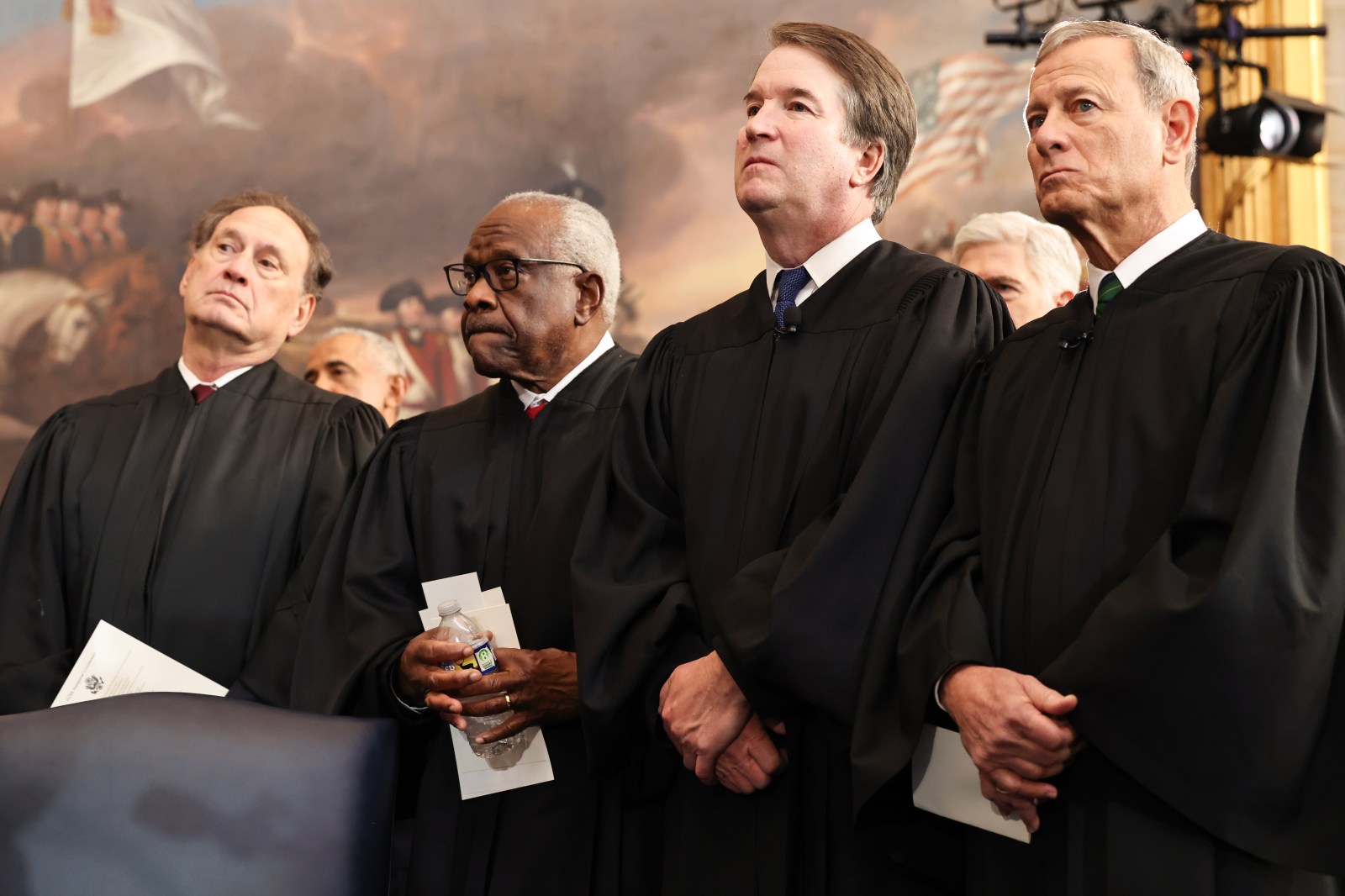
Public confidence in the Supreme Court is at an unprecedented low. Democratic lawmakers are actively pursuing reforms to revamp the judicial branch. Though success seems unlikely, Democrats have proposed constitutional amendments and legislation advocating for 18-year terms instead of lifetime appointments. Advocates argue this would modernize the court and rebuild trust. Critics worry it might jeopardize judicial independence.
Despite growing support, these proposals face numerous obstacles. Republicans control Congress, making constitutional amendments challenging. Legal experts are divided on whether Congress can legislate term limits alone. Nevertheless, Democratic enthusiasm for reform continues to rise.
Democratic Moves and Court Shifts
Democratic initiatives to restructure the court have gained traction, influenced by its current 6-3 conservative bias. The appointment of justices Neil Gorsuch, Brett Kavanaugh, and Amy Coney Barrett by former President Donald Trump solidified this shift. Key rulings have altered abortion rights, gun laws, and federal authority, affecting election-year politics. Ethical controversies involving some justices have heightened scrutiny.
Despite strong Democratic support, Congress is deeply divided on term limits. Recent legislation and proposals have gained co-sponsors amid significant court decisions. These efforts aim to minimize political battles over judicial appointments, but face staunch opposition from conservatives.
Bipartisan Support and Legislative Efforts
Democratic Maryland Representative John Olszewski proposed a resolution to amend the Constitution, enforcing 18-year term limits. His communications director, Jaime Lennon, cited public polling showing overwhelming support for term limits, advocating legislative and constitutional actions.
Georgia Representative Hank Johnson reintroduced legislation for 18-year terms, allowing justices to serve in senior status thereafter. Johnson’s bill has gained numerous co-sponsors, driven by public frustration and perceived legitimacy issues within the court.
Impact and Challenges of Term Limit Proposals
Johnson’s proposal would immediately impact sitting justices. If enacted, conservatives John Roberts, Samuel Alito, and Clarence Thomas, as well as liberals Sonia Sotomayor and Elena Kagan, would transition to senior status in the coming years.
California Congressman Ro Khanna introduced legislation enabling two-year appointment intervals, allowing each president a chance to nominate Supreme Court justices. This bill exempts current justices from the reforms, contrasting with Johnson’s immediate impact stance.
Public Perception and Ethics Concerns
The decline in Supreme Court approval is linked to its conservative makeup, shaping major decisions on abortion and gun rights. Critics argue this has heightened partisanship, while supporters stress constitutional fidelity.
Several justices face public ethics inquiries, including undisclosed benefits and wealthy connections. The Supreme Court adopted a conduct code in 2023, yet skepticism persists, and critics argue the code is insufficient.
Public Polls on the Supreme Court
78% support term limits (Fox News, 2024)
61% say the court favors Trump’s positions (Marquette, 2026)
22% express strong confidence (NBC, 2026)
Recent polling indicates broad bipartisan backing for term limits. Marquette data shows significant Republican, independent, and Democratic support. Similarly, PRRI findings highlight extensive majorities favoring reforms.
Challenges Ahead for Supreme Court Reform
Reform efforts, while broadly supported, are led by Democrats without Republican endorsement. Texas Senator John Cornyn criticized these moves as strategies to change the outcome when it cannot be won in court.
Supreme Court term limits face constitutional hurdles and require substantial legislative and state support. Despite these steep challenges, Democrats continue advocating for reforms, emphasizing public support and declining court confidence.
Future Prospects and Political Implications
Increasing Democratic co-sponsors signal the issue’s importance in party priorities. Although unlikely to advance under the current Congress, public backing could sustain ongoing debates. Supreme Court term limits, while improbable, are transitioning from academic discussion to a pivotal political topic gaining widespread attention.