
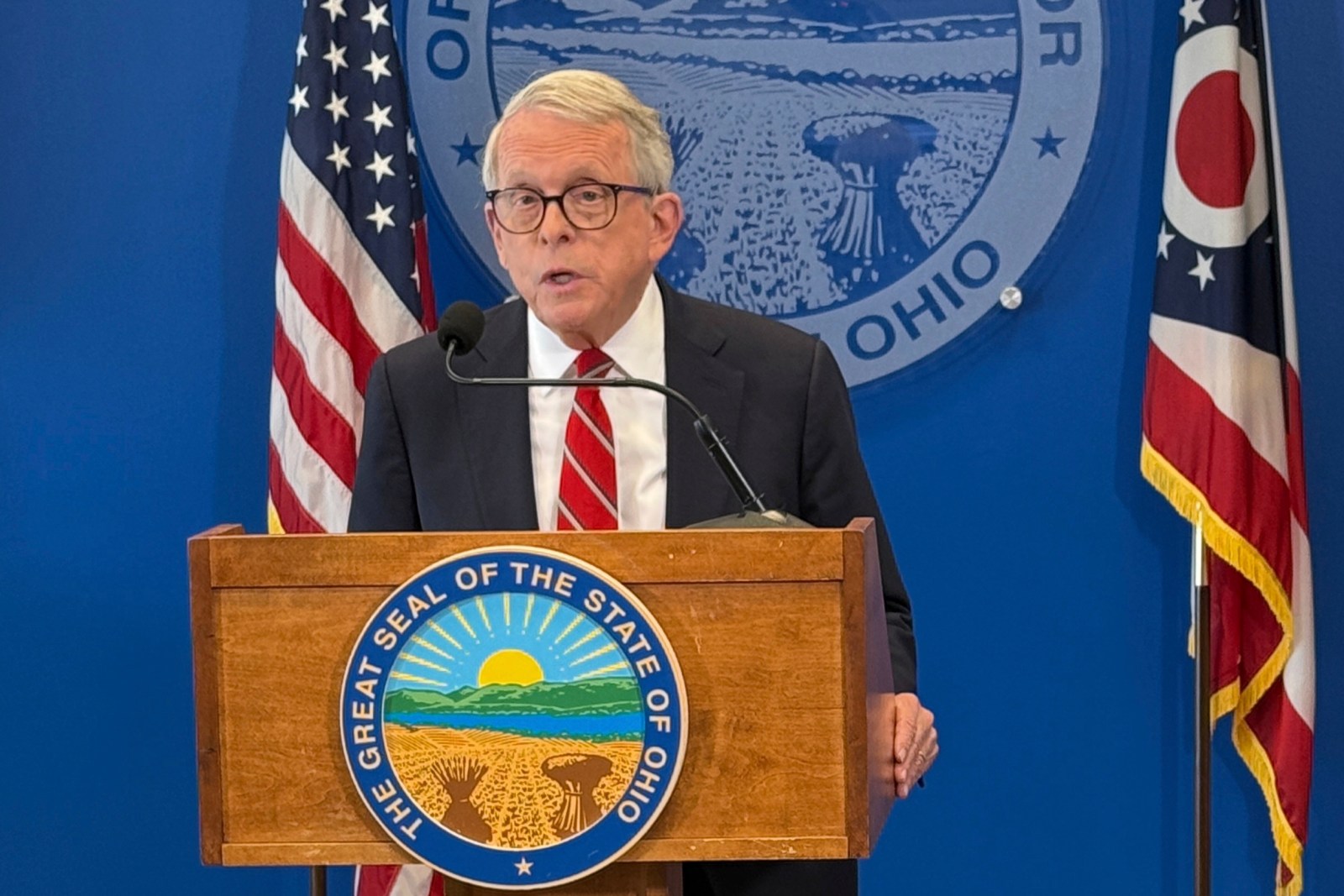
Ohio Governor Mike DeWine announced his support for abolishing the state’s death penalty. This marks a significant shift for the Republican, who once helped create Ohio’s capital punishment law 45 years ago. DeWine explained that new data reveals the system fails to deter violent crime and causes prolonged suffering for victims’ families and state workers.
Why DeWine Believes the Death Penalty Fails
DeWine highlighted that the death penalty does not serve as a deterrent, as initially intended. He cited data showing an increasing gap between capital punishment reinstatement and actual executions. The governor emphasized that families and state employees face immense challenges due to lengthy legal processes.
Ohio has not conducted an execution since 2018. DeWine has extended the state’s unofficial halt on executions due to the lack of lethal injection drugs, as pharmaceutical companies refuse to supply them.
Advocacy Groups React to DeWine’s Position
National and state advocacy organizations welcomed DeWine’s change of heart. Laura Porter, Executive Director of the U.S. Campaign to End the Death Penalty, noted the governor’s stance reflects a wider conservative re-evaluation of capital punishment in Ohio and across the nation.
Kevin Werner from Ohioans to Stop Executions highlighted that diverse political groups in Ohio are questioning the system due to its ineffectiveness and the harm it causes. Demetrius Minor of Conservatives Concerned echoed these sentiments, stating that many conservatives view the death penalty as inconsistent with their pro-life values and fiscal responsibility.
Resistance from Ohio’s GOP Leaders
DeWine’s announcement clashes with positions held by prominent Ohio Republicans. State House Speaker Matt Huffman remains firmly against any repeal of the death penalty. Previous Attorney General Dave Yost shared Huffman’s view, and interim Attorney General Andy Wilson’s stance is uncertain.
Despite the resistance from some Ohio Republican leaders, DeWine’s position aligns with a larger conservative trend questioning the death penalty’s cost and efficacy.
Current Status of Ohio’s Death Penalty
The state last carried out an execution in 2018 when Robert Van Hook was executed. The state had planned 30 more executions, all of which remain on hold. Ohio’s death row currently houses 114 inmates. Multiple botched executions, including Dennis McGuire’s in 2014, and drug supply issues have made executions unlikely.
DeWine stated that regardless of halted executions over the past seven years, the death penalty system is ineffective.
Legislative Future and Public Opinion
Two bipartisan bills in the Ohio legislature aim to end the death penalty but have stalled. DeWine’s support may renew efforts, especially with 60% of Ohioans favoring repeal. Advocacy groups believe the governor’s stance could influence change despite opposition from Republican leaders.
Advocates underscore the lack of public safety improvement, the injustices faced by families, and flawed convictions as reasons for reform.