
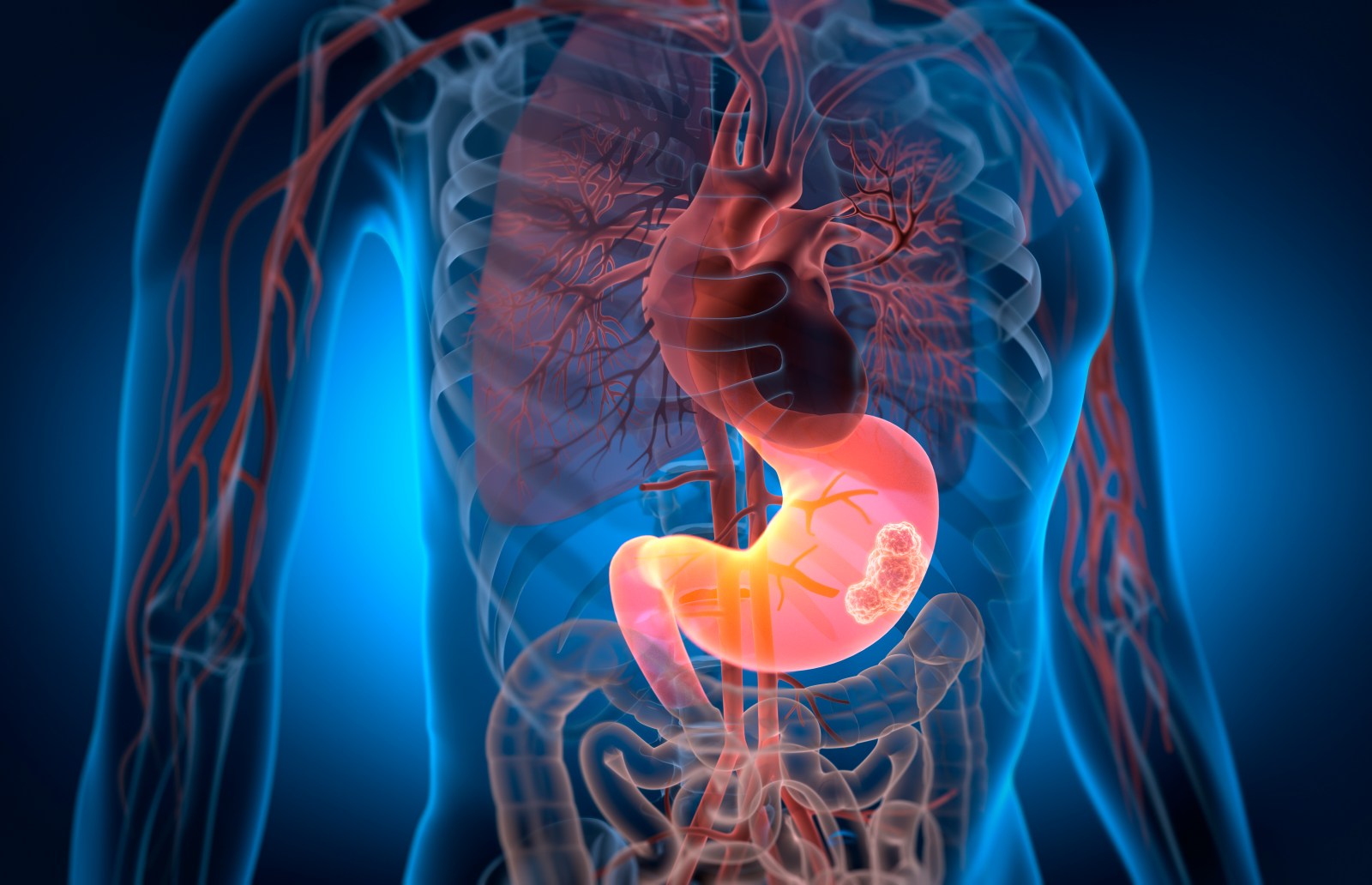
Researchers believe a new technique could change how cancer treatment is approached, particularly for solid tumors. CAR-T cell therapy has been transformative over the past decade, especially for treating blood cancers in patients with limited options. This treatment involves adding a lab-made gene to the patient’s T cells, enhancing their ability to detect and eliminate cancerous cells. According to the Cleveland Clinic, CAR-T therapy is used when other treatments fail or when blood cancer recurs.
However, solid tumors pose a challenge due to the lack of a clear target for CAR-T cells. The USC Viterbi School of Engineering researchers have developed a promising new method utilizing focused ultrasound to provide a more specialized target for CAR-T cells.
Tianze Guo, a researcher and doctoral student, explained to Newsweek that they have devised a system that temporarily marks tumors for CAR-T cells. This approach, known as SHIFTERS, enables tumor cells to express CD19, a marker that CAR-T cells can recognize as a target by responding to specific tumor signals, such as low oxygen, and focused ultrasound.
Peter Yingxiao Wang, a biomedical engineering professor, described this method as “revolutionary.” Although promising, the technology requires further advancements and funding before it is suitable for clinical use.
Solid tumors often suffer from low oxygen levels due to rapid growth and insufficient blood supply. To address this, USC researchers designed SHIFTERS as a dual approach. It targets the low oxygen conditions alongside the tissue-focused ultrasound without surgical intervention.
In Newsweek, Guo mentioned: “When both signals converge, tumor cells display the marker, guiding CAR-T cells to attack precisely. This method could simplify the recognition of solid tumors while allowing doctors to control the timing and location of the treatment.”
Previous efforts aimed to identify markers unique to solid tumors, but this method forces tumors to produce one. Initial tests were conducted on lab-grown cancer cells, followed by tumor models and animal trials. The ultrasound-enhanced method showed that CAR-T cells deliver a much stronger attack on solid tumors, significantly reducing them.
Not every tumor cell needs to exhibit the marker, lasting approximately one week. A display by 10 to 25 percent of cells sufficed for the immune system to destroy cancer cells within the tumor.
Despite promising results, the technique remains experimental and needs human testing. Guo told Newsweek: “A practical way to deliver SHIFTERS directly into tumors is the primary challenge.” Researchers are exploring lipid nanoparticles and modified viruses for delivery before progressing to larger animal studies and human trials.
Reference: Tianze Guo et al., Ultrasound priming gated by solid tumor hallmarks to guide CAR-T therapy. Sci. Adv.12, eaed0666 (2026). DOI:10.1126/sciadv.aed0666
Contact: Sirena Bergman and Emma Lee-Sang, Newsweek editors.