
U.S. Confirms Screwworm Case in Texas
U.S. agriculture officials have confirmed a new case of the New World screwworm in Texas. This announcement raises concerns about controlling the flesh-eating parasite. The screwworm was previously eradicated in the U.S. through extensive sterile-fly release programs.
Current Situation and Locations
In recent efforts to monitor and contain the parasite, a case was detected in a goat in Terrell County, Texas. This detection follows a similar case in Edwards County, Texas. The screwworm was found in a wound from castration, indicating its tendency to infest only open wounds. The USDA’s screwworm response team reported these findings approximately 180 miles from the initial Texan detection.
In the U.S., confirmed cases involve cattle, sheep, goats, and one dog. A separate case in New Mexico involving a dog is currently inactive. The USDA dashboard tracks these developments amid concerns from ranchers and animal health experts, especially given reports of screwworms in North and Central America.
Prevention and Control Measures
Authorities have enhanced inspections and outreach as part of containment strategies. They continue to use sterile insect techniques to control the population. Officials encourage livestock owners to report any suspicious wounds or potential infestations immediately.
The Threat of New World Screwworm
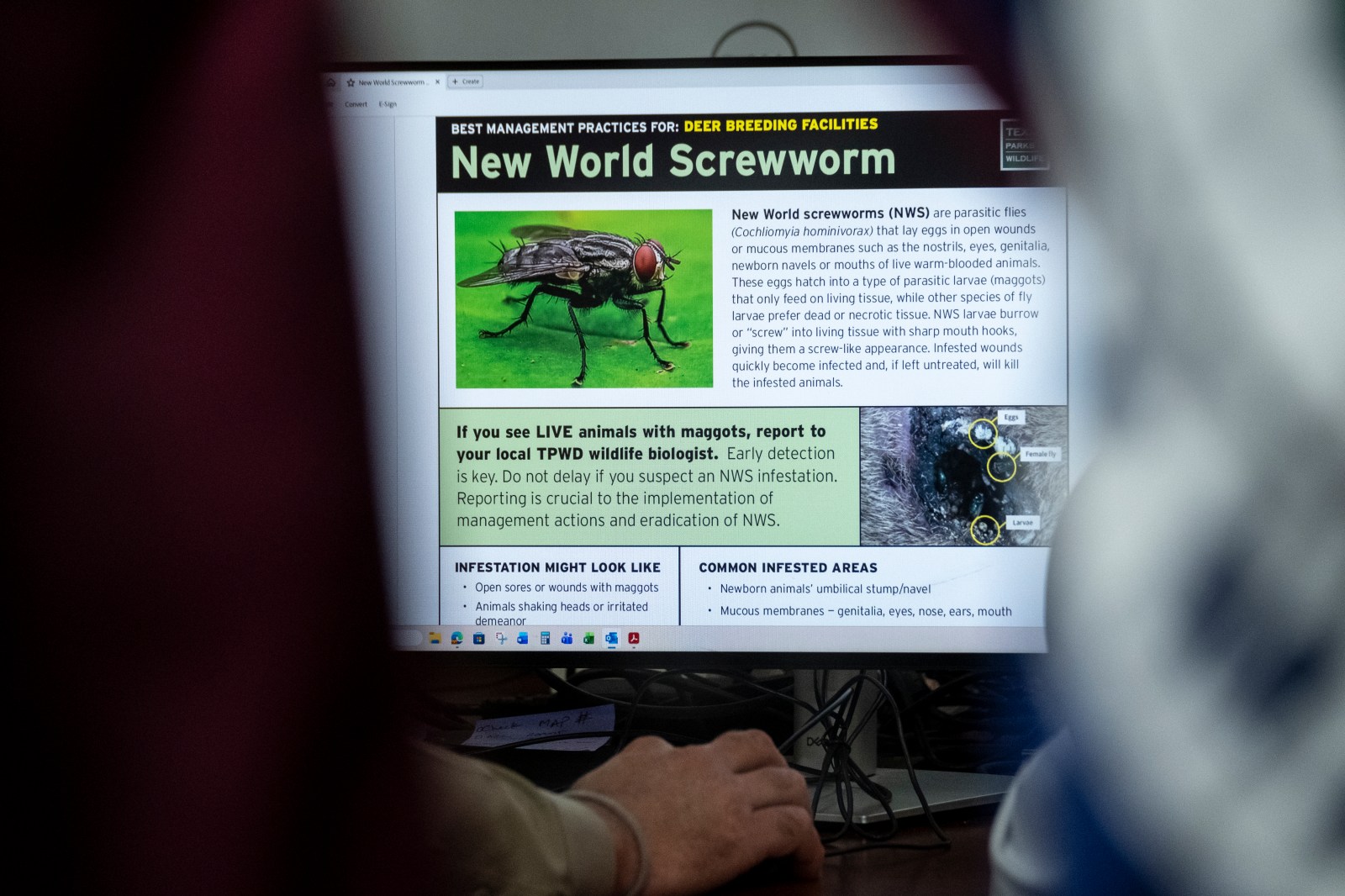
The New World screwworm poses risks to livestock, wildlife, pets, and rarely, humans. It lays eggs in open wounds or animal body openings, where parasitic maggots feed on living tissue. U.S. federal and state authorities remain vigilant in identifying and managing new cases.
Screwworm History in the U.S.
The screwworm once caused significant losses for U.S. livestock producers. Eradication efforts, including releasing sterile male flies, led to zero cases by 1982.
Current Outbreak Centers
The current screwworm outbreak is primarily in Mexico and Central America. There is concern about the parasite spreading northward. In the U.S., confirmed cases are presently in Texas and New Mexico.