
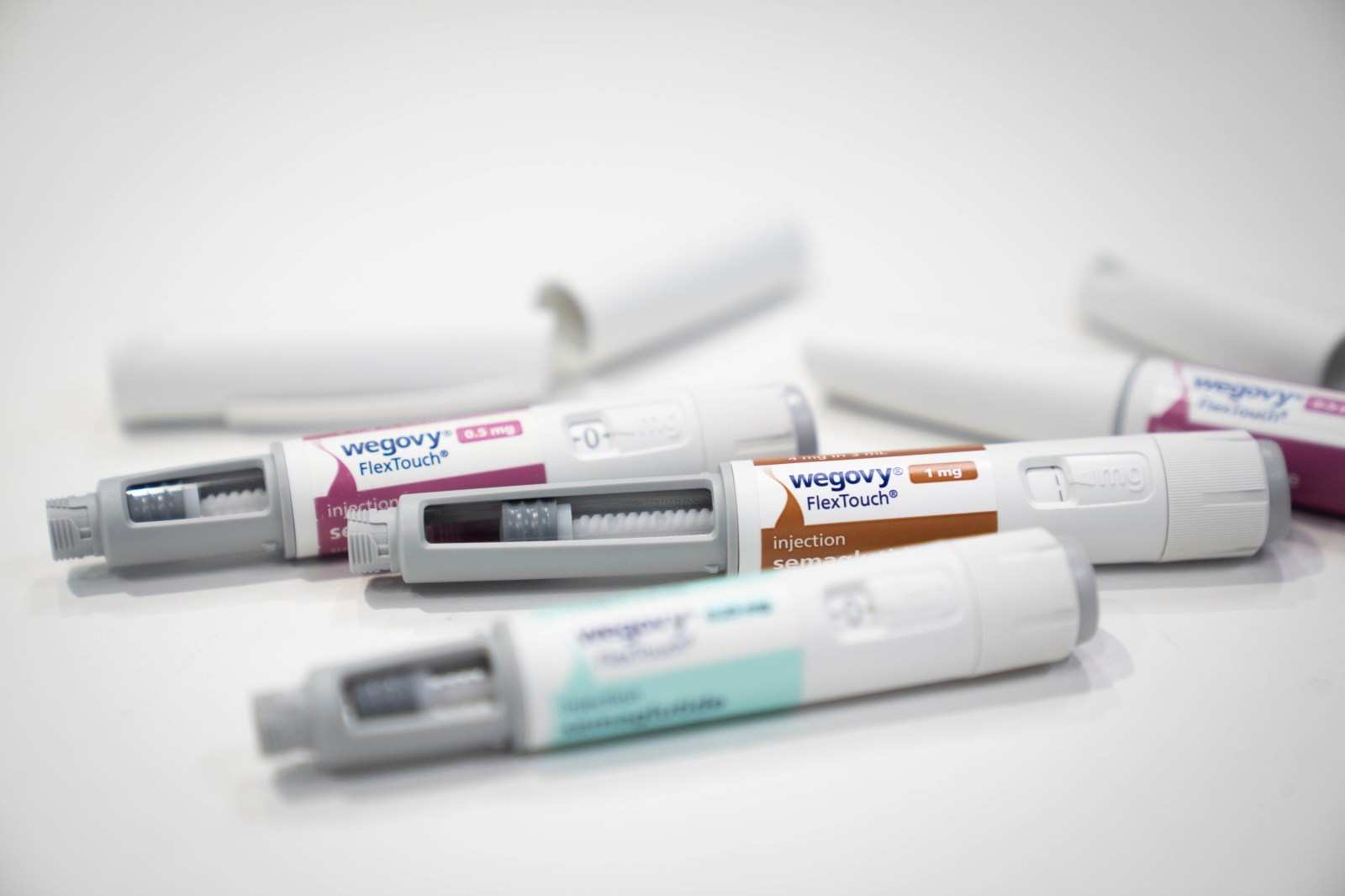
Millions of Medicare users may soon experience a significant reduction in the cost of popular weight-loss medications. A new federal initiative could allow some to pay as little as $50 a month. The Medicare GLP-1 Bridge program, launching on July 1, seeks to improve access to this class of medications, long unaffordable for many elderly Americans.
Importance of the Initiative
This move represents a major change in Medicare’s approach to drug access. Historically, federal rules have stopped Medicare from covering weight-loss drugs. Yet, GLP-1 medications have gained popularity due to their effectiveness in promoting weight loss and lowering risks for chronic conditions like heart disease.
Despite their benefits, the high price of GLP-1 medications, up to $900 monthly without insurance, has limited accessibility, especially for seniors with fixed incomes. By limiting out-of-pocket costs to $50 a month, the government may enable millions of older adults to start treatment.
Details to Know
Starting July 1, eligible Medicare recipients with prescription drug coverage will access certain GLP-1 medications for a flat monthly fee of $50. The temporary ‘bridge’ program, managed by the Centers for Medicare & Medicaid Services (CMS), will run until December 31, 2027.
“These treatments signify a medical advancement, but currently, high costs keep them out of reach for many seniors,” CMS Administrator Dr. Mehmet Oz stated. “The Medicare GLP-1 Bridge makes these drugs more accessible and affordable while working toward our broader goal of healthier living for Americans.”
GLP-1 medications, like Wegovy, Foundayo, and Zepbound, initially served as treatments for Type 2 diabetes. Now, they are widely prescribed for weight management and associated health concerns. Specialists indicate that the program operates outside regular Medicare structures.
“Medicare is testing whether obesity medications can benefit its wide participant base,” explained Alex Beene, a financial literacy instructor at the University of Tennessee at Martin. “Since the program is external to normal Part D and $50 payments don’t count toward annual out-of-pocket totals, continued access post-2027 will require revisions or integration into existing Medicare services.”
Eligibility and Enrollment
- Enroll in a Medicare Part D or Medicare Advantage drug plan
- Obtain a doctor’s prescription and prior authorization
- Meet medical criteria such as obesity or related conditions
Patients need to coordinate with their healthcare providers, who will manage the required clinical documentation via a CMS system.
Medications in the Medicare GLP-1 Bridge Program
The program offers eligible Part D plan members access to:
- Foundayo
- Wegovy (injection or tablet)
- Zepbound (KwikPen)
Pricing Mechanism
The program operates independently of standard Medicare Part D guidelines. The $50 monthly cost is a stable copay for a 30-day supply, which won’t affect deductibles or annual out-of-pocket thresholds.
“This bridge program grants Medicare beneficiaries access to GLP-1 medications for weight loss within a subscription model,” shared Kevin Thompson, CEO of 9i Capital Group. “It raises questions about the payer, cost, and the program’s long-term sustainability.”
Thompson added that healthcare providers and patients need more information on the treatments’ long-term impacts.
“Many individuals regain weight quickly after stopping these medications, suggesting a potential for lifelong use,” he said. “Financial implications must be considered, and questions remain about what happens after December 31, 2027.”
Implications for Medicare Users
If you’re a Medicare participant, consider the following steps:
- Check eligibility: Discuss with your doctor if you qualify.
- Verify drug coverage: Not all GLP-1 medications are included.
- Prepare for July 1: Program availability begins nationwide on this date.
Future Outlook
The GLP-1 Bridge is temporary and aims to guide future CMS policy. The long-term future is unclear. If not extended beyond 2027, patient access could cease, possibly undoing health improvements gained during the program.
“While the program could offer short-term health benefits for weight management, the same issues might resurface if it’s not continued past its end date,” commented Beene.