
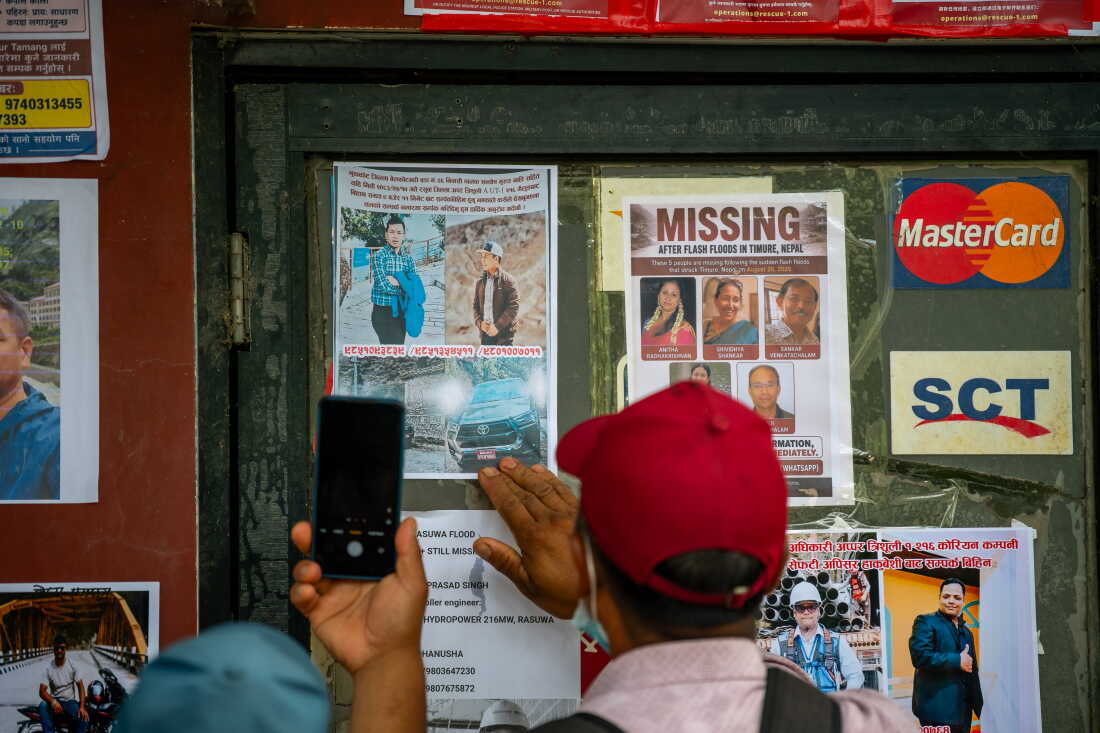
The recent catastrophic flash floods in Nepal have left more than 5,600 people missing. A photograph shared shows a board covered with pictures of some of the missing individuals in Devighat. Shushma Bhusal, regional lead for the International Federation of Red Cross and Red Crescent Societies, describes the situation as dire. Parts of Bidur municipality have been completely wiped out. “There’s no village, no sign of anyone there. A lot of houses have just been washed off,” Bhusal explains.
Before the disaster, Bidur was a bustling town of about 60,000 people. It served as a central transit hub and was home to Trishuli hospital. However, the flood, caused by a collapsed glacier, destroyed the bridge to the hospital. This has dramatically increased travel time, leaving residents without access to critical health services.
Health System Struggles
The flood’s death toll has reached at least 1,200 in Nepal and Tibet. The disaster damaged or destroyed at least seven hospitals and health centers, says Allison Gocotano, World Health Organization representative to Nepal. While some hospitals remain operational, road blockages hinder access. There are also issues with electricity continuity.
These difficulties affect not only those injured in the floods but also those needing routine medical care. There are pregnant women nearing delivery dates, says Abhilasha Gurung, a UNICEF health specialist in Nepal. To address this, UNICEF is setting up medical tents and distributing essential items to around 19,000 people.
People with chronic conditions like diabetes or hypertension are vulnerable, comments Padam Simkhada, a global health researcher. Many lost their medication as they fled, and accessing new supplies is challenging.
Risks of Waterborne Diseases
Clean water is scarce due to contaminated systems. Simkhada warns of possible epidemics, such as cholera and diarrheal diseases. Crowded temporary shelters could facilitate the spread of airborne diseases like tuberculosis. The Ministry of Health has sent technical staff to improve disease surveillance in these shelters, according to Gocotano.
Mental Health Crisis
The floods have created a severe mental health crisis. UNICEF’s Gurung notes that 2,500 to 3,000 people are in temporary holding centers, dealing with profound loss. Ayush Joshi from Save the Children describes visiting a center in Nuwakot. Helicopters searching for survivors often interrupted his visit, and children eagerly looked up each time.
Joshi witnessed the hope among those children that missing family members might still be found. One girl shared her traumatic experience of seeing her friends washed away and being separated from her parents.
Support organizations are providing mental health counseling in shelters. However, Joshi emphasizes that mental health care is not prioritized and warns against neglecting this issue as the immediate crisis fades.