
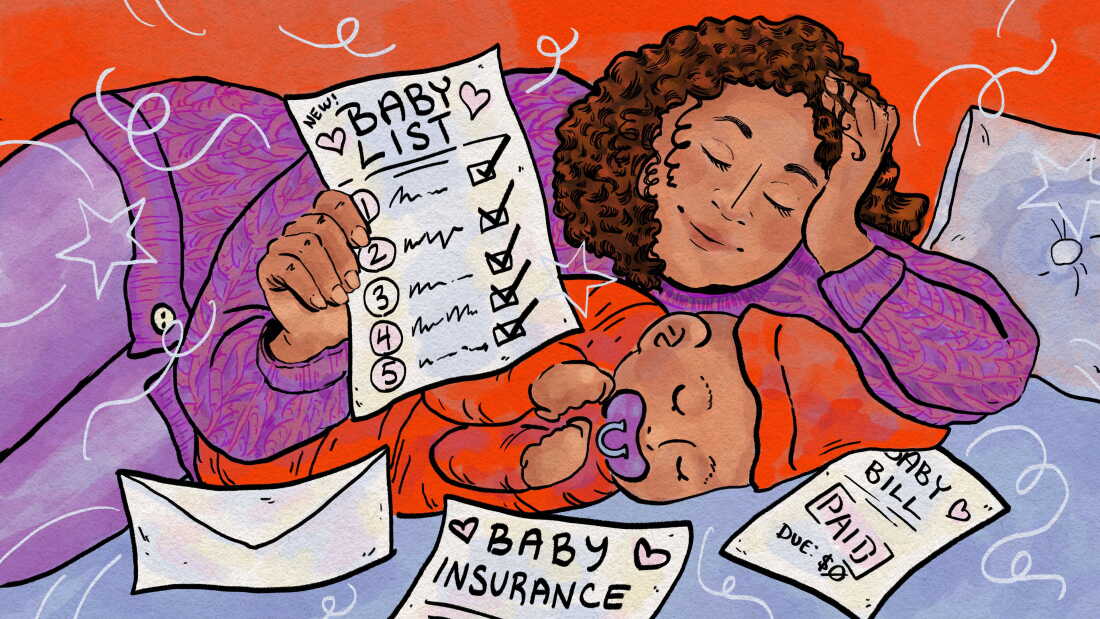
Grace and Daniel Griffin, both 26, faced financial concerns as they welcomed their first child, a daughter, into their family in Calumet, Michigan. Despite careful planning, they found themselves worried about the unforeseen medical bills related to pregnancy and childbirth.
Understanding Prenatal and Delivery Costs
Before trying to conceive, the Griffins estimated the cost of pregnancy to manage their finances on a single income. Grace searched for cost estimates using her UnitedHealthcare student plan but found the need for specific medical billing codes challenging due to a lack of detailed information.
Their health plan summary estimated out-of-pocket costs for routine pregnancy and delivery to be around $2,700. However, unexpected expenses accumulated, with Grace and Daniel’s bills exceeding $9,000, three times their initial estimate.
Current Legislative Efforts
Federal lawmakers have aimed to make healthcare costs transparent. The 2020 No Surprises Act required insurers to provide an individualized “advanced explanation of benefits.” Despite this, implementation is pending, compounding frustration as families like the Griffins face unexpected costs.
Future changes in maternity billing codes, set for 2027, promise more detailed costs for prenatal, labor, delivery, and postpartum care. Whether this will aid budgeting efforts remains uncertain.
Practical Tips for Managing Pregnancy Costs
1. Enroll Your Baby on Time
It’s crucial to enroll a newborn in a health plan promptly. Special enrollment opportunities allow parents to bypass the regular enrollment period. However, missing deadlines can leave a child uninsured. Michelle Critzer from Ventura, California, learned this when she failed to enroll her newborn within the designated timeframe.
2. Understand Your Insurance Terms
Familiarize yourself with your deductible, copayments, coinsurance, and MOOP (maximum out-of-pocket expenses). The latter is the most you will pay for covered services annually.
Be aware that if your pregnancy overlaps two plan years, expenses reset with the new year.
3. Opt for In-Network Care
Selecting in-network healthcare providers helps avoid surprise out-of-network bills. Confirm all involved providers, from labs to hospitals, are in-network.
4. Scrutinize and Appeal Bills
Verify all bills against covered prenatal services. If errors occur, file an appeal with your insurer.
5. Seek Financial Assistance
Explore financial aid options offered by hospitals and providers. Programs like the Michigan Rx Kids can provide additional support. Grace Griffin used this program to mitigate medical expenses.
The Griffins’ story underscores the importance of preparation and utilization of available resources in managing the financial aspects of childbirth.
KFF Health News is committed to providing in-depth reporting on health issues, supported by KFF’s research and policy expertise.