
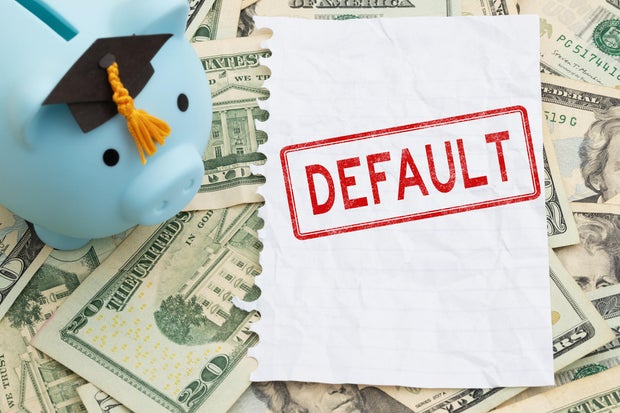
The complexities of federal student loan collections and Social Security protections can bewilder borrowers. Years of changes in repayment programs have brought the focus back to student debt. This debt, commonly associated with younger workers, is affecting older Americans too. Many borrowers aged 50 and above carry federal student loan balances, impacting their retirement years.
As inflation climbs, Social Security benefits grow increasingly vital for retirees living on fixed incomes. These monthly payments are a significant part of retirement income, making any potential threat to this support troubling, especially for retirees facing rising costs.
An important question for older borrowers is whether a student loan default could endanger their Social Security benefits. The rules on federal student loan collections and Social Security protections are intricate. So, how much of your Social Security check is at risk if you’ve defaulted on a student loan? Let’s dive into that topic.
Find out how to manage your unpaid debt effectively.
Impact of Student Loan Default on Social Security Benefits
Social Security income enjoys protection from most creditors, but federal student loan debt is different under federal law. Defaulting on a federal student loan gives the government unique collection powers absent in private sectors. One key tool is the Treasury Offset Program, allowing the government to withhold up to 15% of a borrower’s monthly Social Security benefit for defaulted student loans.
The portion of your Social Security that could be at risk depends on your benefit size and personal circumstances. For example, larger Social Security benefits may face greater offsets because the withheld amount is a percentage, not a fixed sum. The exact amount collected follows specific collection rules and individual borrower situations.
Federal student loans provide the government with collection powers not available to private lenders. Borrowers with private loans may face lawsuits or other collection actions, but those creditors typically lack authority to offset federal benefits like Social Security. However, rules can change, and individual situations differ, so borrowers should review options before delinquency leads to default. Act early to explore repayment programs and assistance that can avert serious collection steps.
Learn how to tackle high-rate debt issues now.
Debt Relief Options to Prevent Student Loan Default
If you’re trailing on student loan payments, worry over losing your benefits may be avoidable. Even defaulted borrowers might regain good standing. For federal loans, income-driven repayment plans could be worthwhile. These plans align payments with income and family size, easing the burden for retirees mainly surviving on fixed incomes.
Loan rehabilitation can assist defaulted borrowers. It involves agreed-upon payments over time to remove default status and restore eligibility for benefits. Loan consolidation marries defaulted loans into new ones, regaining access to repayment programs and staving off future collection.
Beyond student loans, broader debt relief strategies can help. Credit card debt, personal loans, and medical expenses compete for limited retirement income, complicating student loan adherence. Debt consolidation, debt management, or settlement offers relief in suitable conditions.
Conclusion
Federal student loan default might impact Social Security benefits, a pressing issue for retirees. Government authorities can offset part of your Social Security to recover defaulted student loans. However, borrowers usually have options before reaching this stage. Exploring solutions such as income-driven repayment plans, rehabilitation programs, and consolidation opportunities early can safeguard your retirement income and financial stability.